
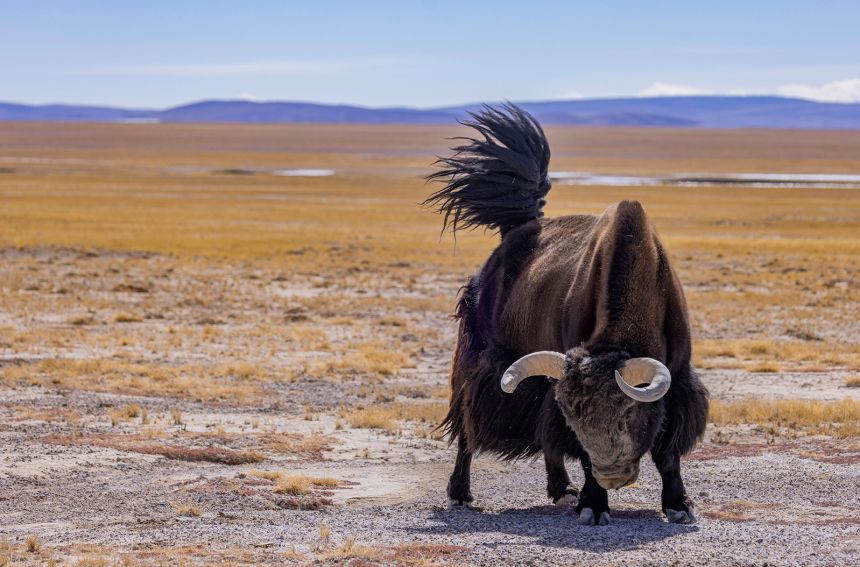
In the elevated regions of Tibet, surrounded by towering snowy peaks and subjected to fierce winds, researchers are diligently working on producing fluffy, horned clones.
These clones are Tibetan yaks, developed in clandestine laboratories situated more than 4,000 meters above sea level, with the aim of establishing a superior herd of robust and fertile yaks.
Scientists believe this initiative has the potential to restore a wild species held in high esteem by local Tibetans as a cherished figure in their mythology.
The long-haired Himalayan cattle play a vital role in the cultural and economic fabric of the region. Yet, both domestic yaks and their wild relatives have faced numerous challenges, with certain rare subspecies on the brink of extinction.
In recent years, authorities in southwestern China have invested substantial sums in enhancing the yak industry, with hopes that cloning technology will play a significant role.
The initial successful yak clone was produced in July 2025, a feat celebrated by Chinese state media as a significant advancement that integrated cloning techniques and genetic selection. This spring saw the birth of additional clones, and researchers are now focused on establishing a herd of over 100 “elite” yak clones by 2028, featuring traits such as enhanced growth rates and increased size.
“This indicates that the technology has progressed from a singular success to a reliable, large-scale application,” stated Fang Shengguo, the scientific leader of the project and director of the State Conservation Center for Gene Resources of Endangered Wildlife, according to the state-run news outlet Xinhua.
However, this initiative, which has backing from the Tibetan government, has sparked concerns among international observers. Cloning remains a contentious issue, particularly with recent “de-extinction” projects that have gained worldwide attention for efforts to resurrect extinct species.
Numerous experts recognize valid reasons for utilizing cloning in conservation and gene selection in agriculture. Yet, the ethical implications are complex, and any such endeavor should prioritize transparency and accountability to the public, stated Lisa Moses, a veterinarian and bioethicist at Harvard Medical School.
Currently, much of the information surrounding the yak cloning project remains unclear, with details primarily coming from favorable state media reports.
USdaily has attempted to contact Fang and other members of the research team, as well as Zhejiang University, China’s State Council Information Office, and the Tibet Autonomous Region Information Office. Each of these parties either redirected inquiries to other entities or did not provide a response.
Yak to the future
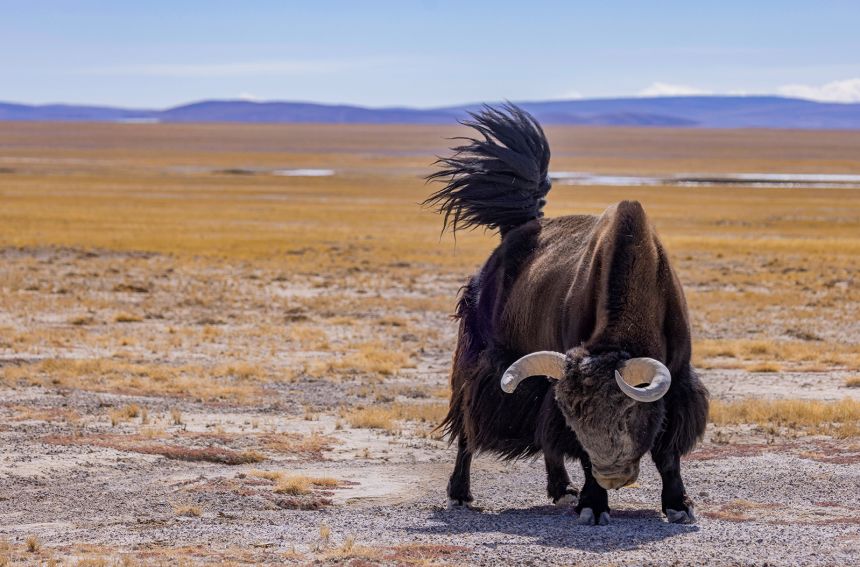
To begin with, there are two primary varieties of yaks in Tibet, and the cloning initiative has distinct objectives for each.
The wild yaks are at risk of extinction and are legally protected in China. Their population has decreased by over a third in the last three decades, with estimates suggesting only 10,000 to 20,000 remain, according to the Wildlife Conservation Society.
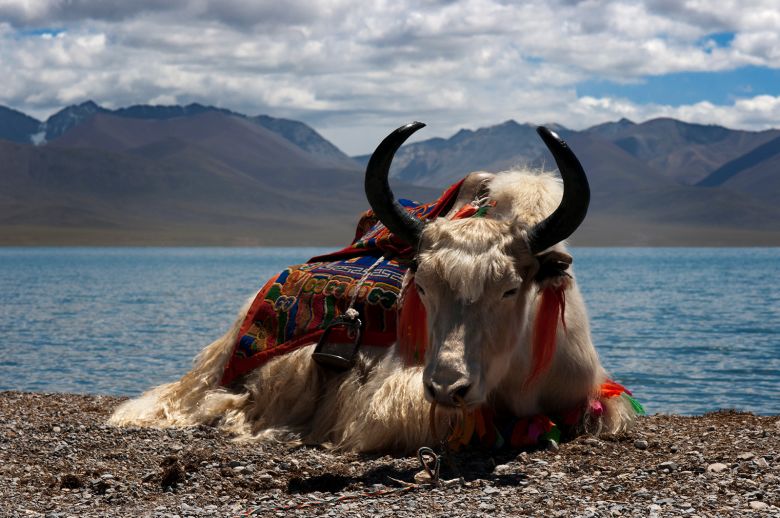
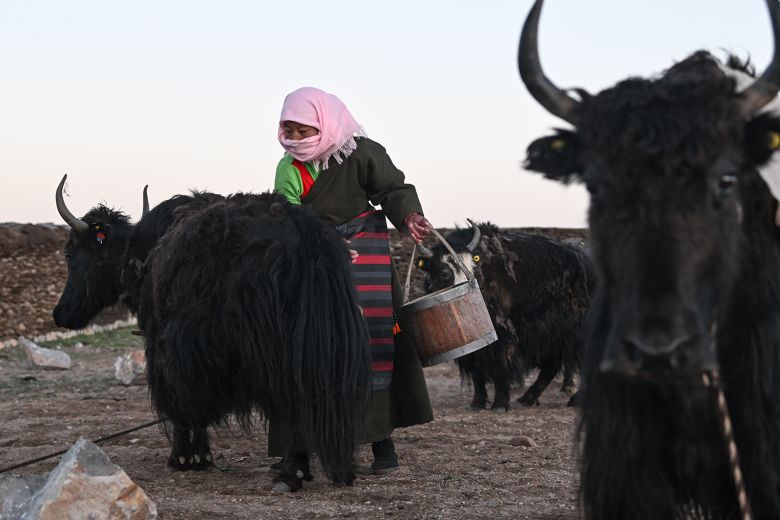
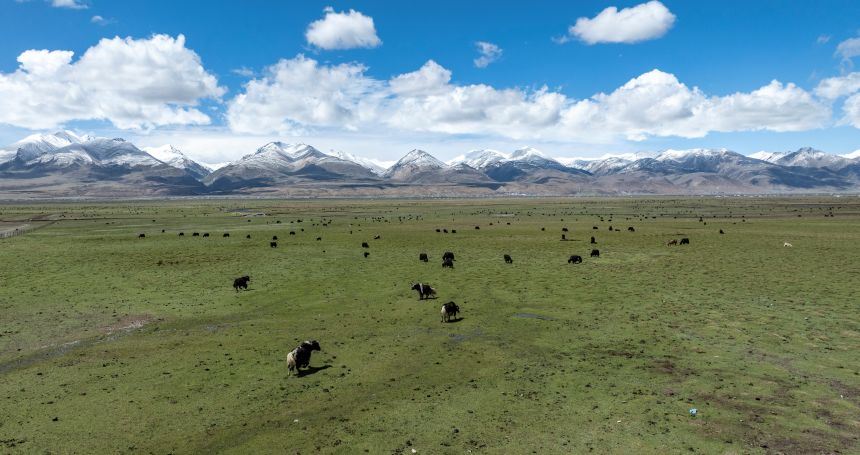
The domestic yak, on the other hand, is not endangered and has a global population of approximately 14 million, predominantly found in the high-altitude regions of Tibet. They are essential to Tibet’s economy, serving nomadic farmers as sources of wool, milk, meat, and as draft animals for agricultural tasks.
Both yak species are vulnerable to the effects of climate change and habitat loss, with rising temperatures leading to invasive plant species and increased competition for resources, a significant issue in this challenging environment.
“The plateaus host a delicate ecosystem, and climate change results in more severe weather events. A particularly harsh winter storm could devastate entire herds in certain regions,” remarked Carol Chyau, the founder of SHOKAY, a yak wool clothing brand collaborating with conservation groups and Tibetan communities.
Inbreeding and crossbreeding add to the challenges. Wild yaks interbreed with domestic yaks, reducing their wild genetic diversity; meanwhile, domestic yaks breed with cows, which similarly affects their own genetic integrity. Experts indicate that unchecked inbreeding has negatively impacted genetic diversity and overall health even within the same species.
Over the last ten years, there has been a decline in both the size and weight of yaks, as well as their fertility rates, with only a 20% success rate recorded in natural reproduction and fertilization, according to Fang, the leading scientist, in a statement released by Zhejiang University last year. “Human actions and ecological shifts have triggered a significant decline in the yak population.”
Cloning is seen as a potential remedy.
How to clone your yak
The cloning process begins with scientists selecting the healthiest, strongest yaks as DNA sources. They extract the nucleus from somatic cells (any non-reproductive body cell), which contains the yak’s genetic material, and transfer it into an egg cell that has had its original nucleus removed.
This fertilized egg develops into a clone embryo, which is then implanted into a surrogate mother for gestation.
The first successful clone emerged from domestic yak DNA—a small, fluffy black calf delivered via C-section. Videos released by Xinhua depict the new calf, with wobbly legs, resting on straw and being gently handled by scientists in lab coats.
The subsequent ten clones, all of domestic yaks, were born through “natural births,” which may facilitate a smoother scaling of the process, according to the university. As of June, reports indicate that all cloned calves are “growing healthily.”
Chinese researchers assert that this methodology could yield significant economic benefits for the domestic yak sector. It is notably quicker than traditional reproduction, as stated in a separate news release from Zhejiang University in March. Yaks are known for their slow reproductive rates, with females typically giving birth to only four or five calves in their lifetime, posing a considerable challenge for their long-term viability.
Besides the economic advantages, there are aspirations to utilize this technology for the conservation of wild yaks, particularly the critically endangered golden wild yak, which has a population of approximately 300 in Tibet, as per Chinese state media. This rare subspecies has acquired a semi-mythical status, often referred to as a “divine beast.”
This initiative commenced in 2025, with researchers collecting cell samples from deceased golden wild yaks and placing clone embryos into surrogate mothers. In April, state broadcaster CCTV reported that over 200 clone embryos of wild yaks (including the golden wild yak) and their hybrids have been developed.
However, information regarding this aspect of the project is as elusive as the animals themselves. Researchers have not yet disclosed any successful births of wild yak clones, and the fate of the previously implanted embryos and surrogate mothers remains uncertain.
The horns of an ethical dilemma
This project may come across as either alarming and unsettling or as promising and beneficial, with its ethical implications hinging on a few critical aspects, as several experts informed USdaily.
One ethical framework outlined by Harvard bioethicist Moses in a 2021 publication evaluates such initiatives by considering: Are the objectives attainable, and will they aid in environmental protection? Is the methodology effective and likely to succeed, with built-in accountability measures? What is the impact on the animals involved?
“The intent plays a significant role,” stated Moses. For example, she noted that the general public tends to be more supportive of cloning for wildlife conservation purposes than for agricultural ones.
There have been other recent instances as well. In 2020, the San Diego Zoo declared that it had successfully cloned the endangered Przewalski’s horse, regarded as the last wild horse. Shortly thereafter, U.S. officials revealed Elizabeth Ann, a clone of the critically endangered black-footed ferret. Other “de-extinction” endeavors aim to resurrect animals such as the woolly mammoth and the dire wolf.
These initiatives also face controversy. Critics of cloning and genetic manipulation have consistently raised alarms about the risks associated with altering nature and the ethical concerns surrounding “playing God,” as well as the slippery slope of potentially applying these technologies to humans.
Beyond those concerns, some scientists argue that these projects diminish our sense of urgency in addressing environmental issues, suggesting that we cannot merely produce clones while neglecting the planet’s needs. To effect genuine change, they contend, we must tackle the underlying causes—restoring damaged habitats, reducing carbon emissions, combating poaching, and more.
Conversely, some believe that “traditional conservation methods are fundamentally failing,” as noted by Moses. “Our efforts over the last century to prevent ecological collapse have not been successful.”
“The rationale is that we may not have an alternative,” she continued. “If we genuinely want to make a meaningful impact, we must leverage these technologies, particularly synthetic biology, to essentially bypass evolution and adapt species to their changing environments.”
Some individuals fully support this technology, including Julian Savulescu, the director of the Centre for Biomedical Ethics at the National University of Singapore. He asserts that if cloning and gene selection can produce animals that “enjoy healthier lives, live longer, and offer greater benefits to humans—then not only is this acceptable, but we are morally obligated to pursue it.”
However, he also acknowledged the complexities involved. Cloning is an imperfect science and often results in offspring with genetic defects. He questioned whether the yak scientists are “inflicting undue suffering on a significant number of animals to create a limited number of elite specimens.”
With the limited data provided by Chinese and Tibetan officials and state media, it is challenging to address this issue. For instance, the number of unsuccessful births, miscarriages, or fatalities prior to the 11 successful clones remains undisclosed; their precise definition of a “natural birth” is unknown; measures to ensure genetic diversity within the clone herd are unclear; and the ethical guidelines and oversight in place are yet to be detailed.
Additionally, there is a need for more clarity on the project’s long-term objectives, emphasized Chyau, the SHOKAY founder. If the cloned yaks are intended to boost the agricultural sector, will they be selectively bred for increased milk production, superior meat quality, or specific types of wool? How might these particular traits influence the overall yak population and their natural habitats?
“History is filled with instances where good intentions for the environment have led to adverse outcomes,” Moses remarked, “and I would contend that these technologies present even greater uncertainties than those we have previously employed.”
USdaily’s Shuai Zhang and Beijing bureau contributed to this report.
