
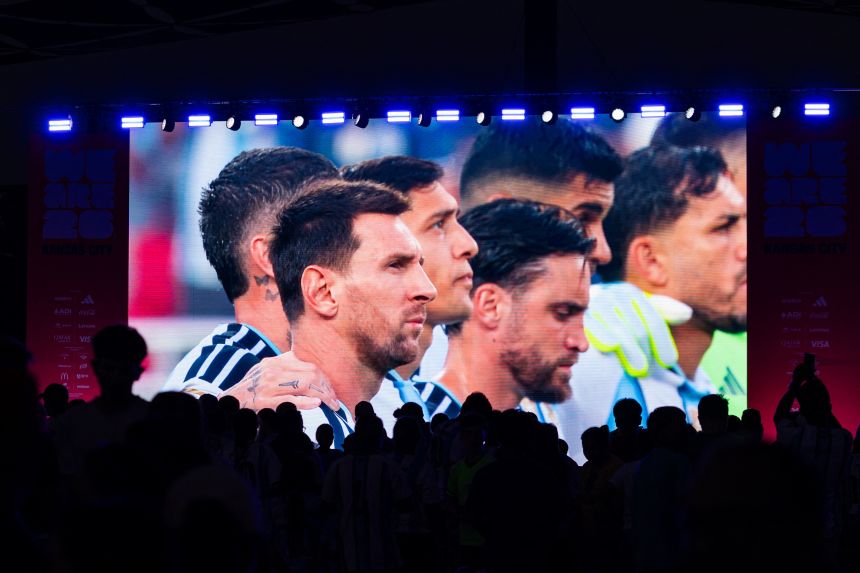
Read the article in Spanish
New York
For over a month, the schedule was dominated by match times.
Schedules were adjusted. Appointments were rescheduled. Lunch breaks extended suspiciously. Group chats buzzed nonstop, overflowing with memes, strategic discussions, and forecasts that quickly became outdated.
For countless supporters worldwide, the men’s FIFA World Cup transcended being merely a competition. It evolved into a way of life.
“Each day after work, you think, ‘Alright, 4 p.m., time for the game,’” remarked Shreesh Byreddy while celebrating Spain’s victory over Argentina at a watch party in New York’s Central Park.
But once the final whistle blew, the World Cup ended.
No more checking the schedule with your morning coffee. No need to wear a national jersey to work anymore. No fellow bar-goers to celebrate with after a last-minute goal. No referee’s call to ruin your day.
“Days are going to be dull,” chuckled Amir, another supporter of Spain. “We became so accustomed to watching all these games.”
Amir is certainly not the only one feeling this way.
The largest sports event in the world brings about a familiar sensation for many fans: the “sports fan’s blues.” This refers to the unavoidable emotional slump that mental health professionals note often follows weeks of intense, voluntary stress.
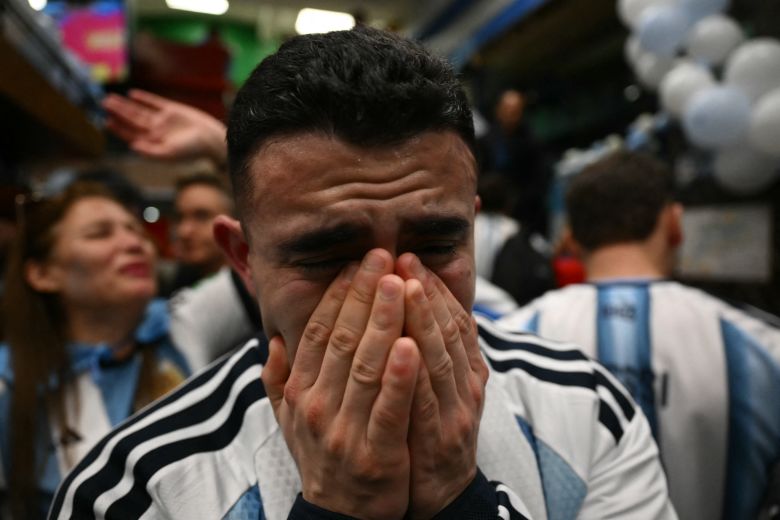
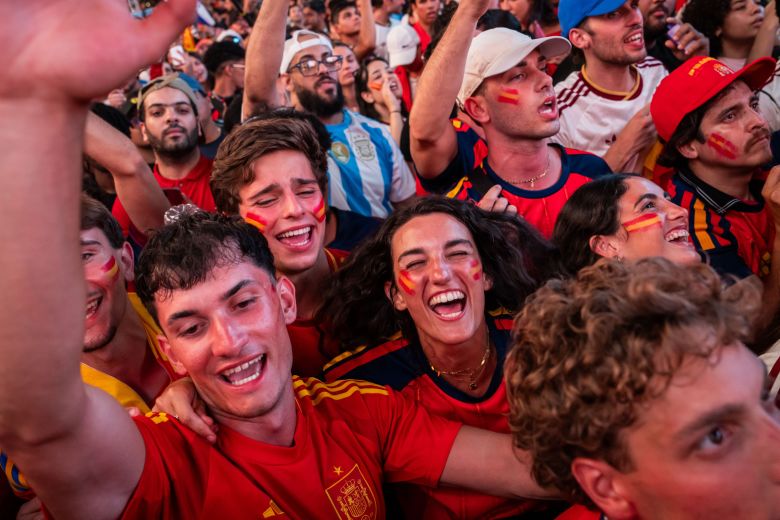
Psychologists have observed that significant sporting events create unique psychological and social patterns. Fans dedicate their time, identity, and expectations to each match. Regardless of whether their team triumphs or faces a heartbreaking exit, the abrupt end of this daily routine can leave many feeling unexpectedly lost.
“There’s certainly a sense of depression,” Byreddy shared. “You spend a whole month attending games, purchasing jerseys, debating over the next match, and socializing at bars. Then the World Cup concludes, and you find it challenging to discover a reason to go out.”
It may seem dramatic and, as some fans openly admit, a bit irrational. Your home remains intact. Your loved ones are well. You still have your job—unless your month-long “remote work” during afternoon games raised some eyebrows. Nevertheless, a sense of emptiness remains.
For several weeks, the tournament provided fans with something increasingly scarce in today’s fragmented media environment: a collective daily experience. Entire nations rejoiced and mourned together. Families gathered. Friendships were rekindled. Even coworkers who seldom interacted suddenly had strong opinions on tactics and penalty calls.
“Nothing unites people like the World Cup,” remarked Tashfique Tanim as fans began to leave Central Park after the final match. “Once it’s over, you’re just watching highlights and reminiscing about what happened.”
This is what makes the ensuing silence feel so peculiar.
The joy, sorrow, anger, relief, and even existential crises triggered by a missed penalty become interwoven into daily life. Then, almost instantaneously, it’s back to routine.
Regrettably, normal life tends to have fewer dramatic moments, fewer reasons to embrace strangers, and nearly no chances to celebrate by tossing a drink into the air.
“You become so immersed in all the excitement that it feels like it will never end,” shared dedicated soccer enthusiast Glenn Viola. “But then you wake up and think, ‘Oh wait, there’s no game today.’ And then it hits you: you have to wait another four years? That’s tough.”
The positive news? This feeling typically doesn’t endure.
Mental health professionals suggest that one of the most effective methods to overcome the post-tournament slump is to retain the elements that made the World Cup memorable. Maintain connections with friends, keep the group chat buzzing, and seek out new things to anticipate.
Before long, the jerseys will return to the closet, conversations will shift to different subjects, and another major sporting event will inevitably take the spotlight.
However, if you check your phone, realize there’s no match scheduled for today, and still experience a sudden wave of disappointment, you’re not alone.
At this moment, you’re not the only one wondering: What’s next?
