
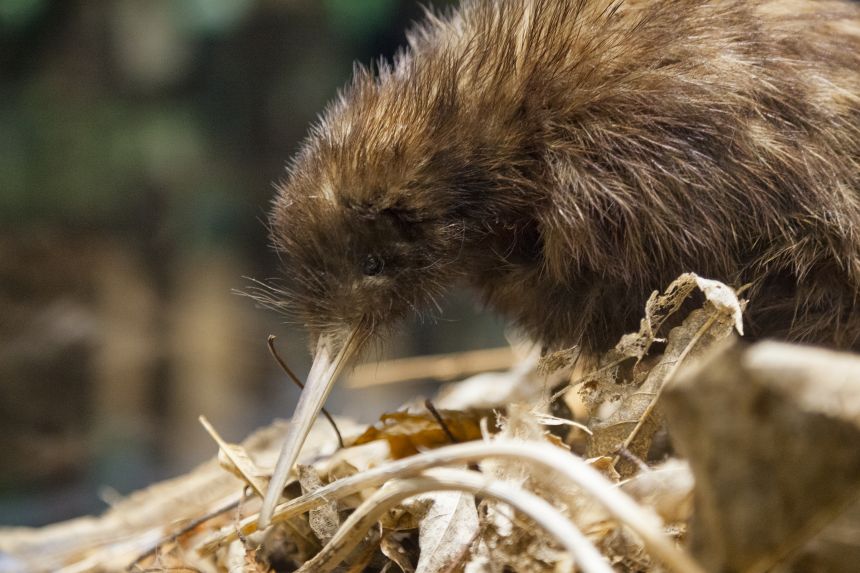
Few countries are as passionate about birds as New Zealand; the sounds of birds fill the air at 7 a.m. on public radio, the locals refer to themselves as Kiwis (after the indigenous flightless bird), and annually, a specific bird is selected as Bird of the Year through a popular voting process.
Consequently, the recent identification of two birds carrying the lethal H5N1 strain of avian influenza has caused considerable concern. This strain has led to the deaths of millions of birds globally, prompting fears among avian enthusiasts regarding the potential threat it poses to some of New Zealand’s most cherished wildlife.
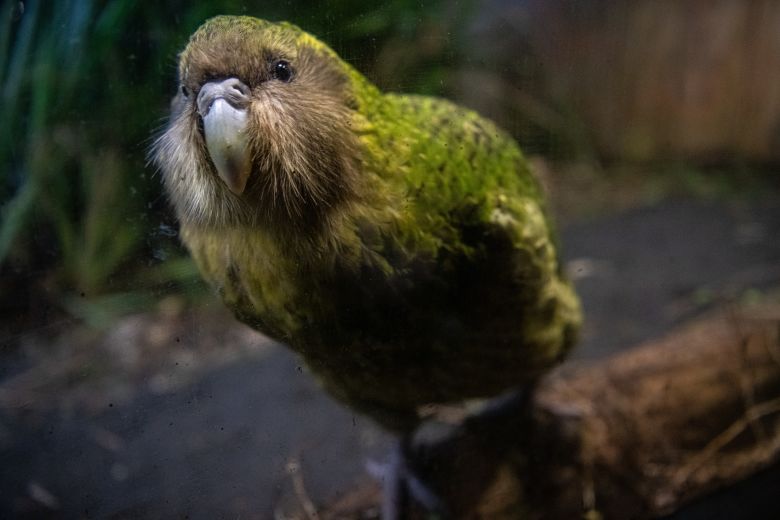
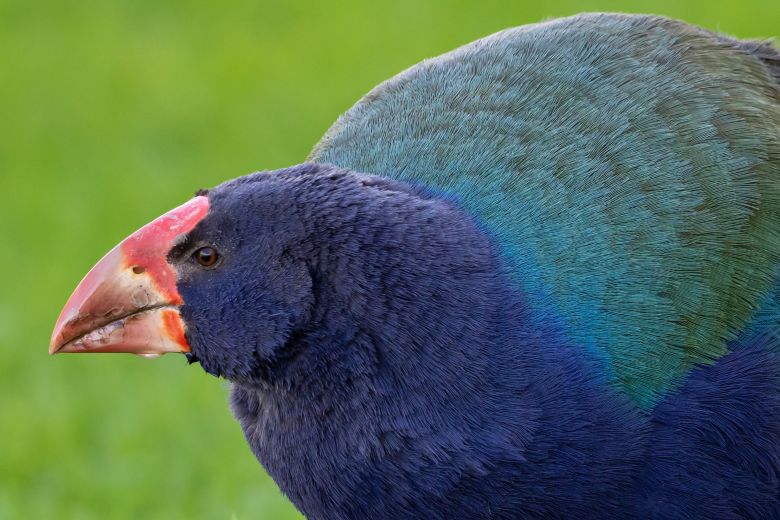
As one of the last significant land masses occupied by humans, New Zealand’s remote islands had been free of predatory mammals for millions of years, creating an ideal environment for birds. This unique situation resulted in a variety of remarkable species, including the kākāpō, a cheeky, nocturnal, flightless parrot, and the takahē, a colorful ground-dwelling bird reminiscent of dinosaurs.
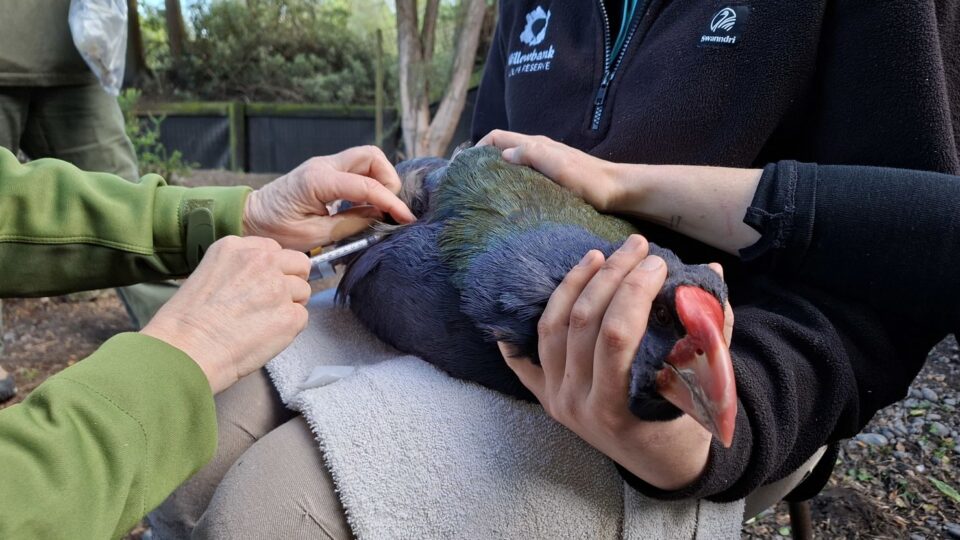
In a proactive move seldom seen in other nations, New Zealand is hurrying to vaccinate 300 breeding pairs of five critically endangered native bird species to shield them from the virus.
“These birds are unique to New Zealand; they do not exist anywhere else, which makes their protection vital,” remarked Andrew Hoggard, the country’s biosecurity minister, last week.
The highly infectious H5N1 avian flu has spread destructively across the globe since it first appeared in Europe in 2020. This strain has also affected mammals, including foxes, polar bears, tigers, sea lions, and, on rare occasions, humans.
It remains uncertain how New Zealand’s native birds will respond in the event of an extensive outbreak.
“Some species may be unaffected, while others could suffer significant mortality,” cautioned Mary van Andel, chief veterinary officer at the ministry of primary industries.
In anticipation of the virus’s arrival, New Zealand has been conducting routine tests on thousands of birds over the past year.
Although only two infected birds have been located, both of which are alive, the country is already taking precautionary measures—some poultry farms are confining free-range hens indoors, the nation’s oldest zoo has canceled close encounters with penguins, and the public has been advised against handling or moving deceased wildlife.
Last month, Oceania was the only region unaffected by this deadly strain of avian flu until an infected seabird was detected on a beach in Western Australia. In both countries, the virus was first identified in the same type of subantarctic seabird—the brown skua, known for its aggressive scavenging behavior similar to that of a crow.
A bird’s paradise
The long absence of predatory mammals led New Zealand down a unique evolutionary path compared to the rest of the globe; certain native birds such as kiwi, kākāpō, takahē, and weka felt so secure on the forest floor that they never developed the need to fly.
Since humans and bird-hunting mammals arrived approximately 700 years ago, over 20% of native species have become extinct. Among those lost was the Haast Eagle, previously the largest eagle on the planet, along with its prey, the towering South Island Giant Moa—a flightless bird resembling an ostrich that stood 3.6 meters tall, making it the tallest bird in the world.
Currently, more than half of the 93 remaining endemic species are considered to be “in serious trouble” and on the brink of extinction, according to a 2017 governmental report.
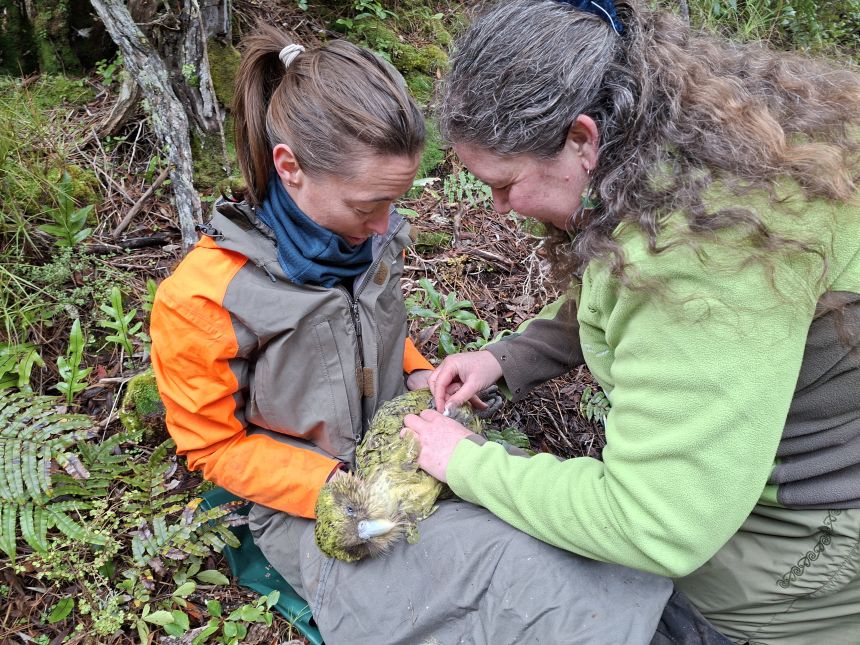
Some birds, such as the takahē, kiwi, and kākāpō, are viewed as remnants from a bygone era; the kākāpō is the only parrot incapable of flight and gained international attention when one named Sirocco attempted to mate with a zoologist’s head during a British documentary. (The bird’s humorous, bobbing behavior in the footage is widely believed to have inspired the popular “party parrot” emoji).
The threat of bird flu poses a significant risk to the kākāpō population, which numbers only 235 individuals, most of which reside on a small island sanctuary off the rugged coast of Rakiura/Stewart Island.
“There are numerous seabirds arriving in that area that the kākāpō might come into contact with… which increases the risk for that particular species,” Ash Murphy, the biosecurity manager at the conservation department, explained to USdaily.
The virus spreads mainly through the droppings and saliva of infected birds, meaning that seabirds and other species that gather in large flocks are particularly vulnerable. Scavengers such as eagles and hawks that consume decaying remains are also at risk.
Interestingly, the kiwi, New Zealand’s iconic national bird, is not included in the vaccination program. According to Murphy, this is due to their larger population (approximately 70,000), many of which live in the wild and do not typically gather in large groups. However, the rarest varieties—rowi and Haast tokoeka kiwi—are expected to be part of the next phase of the vaccination initiative.
Threat to sea dwellers
At the Ōamaru penguin colony, where visitors assemble at dusk to observe hundreds of native little blue penguins returning from fishing, guests are now requested to disinfect their shoes upon arrival since the virus can be transmitted via footwear.
“We have implemented these measures to safeguard the birds,” stated Dr. Philippa Agnew, science and environment manager at Ōamaru Penguins.
The colony hosts approximately 700 penguins, with an additional 500 at a nearby location, increasing the risk due to their concentration in one area.
“Little penguins are found exclusively in New Zealand and Australia… Thus, the potential impact remains uncertain,” Agnew noted. While penguins overseas have succumbed to the virus, they have not experienced mass fatalities.
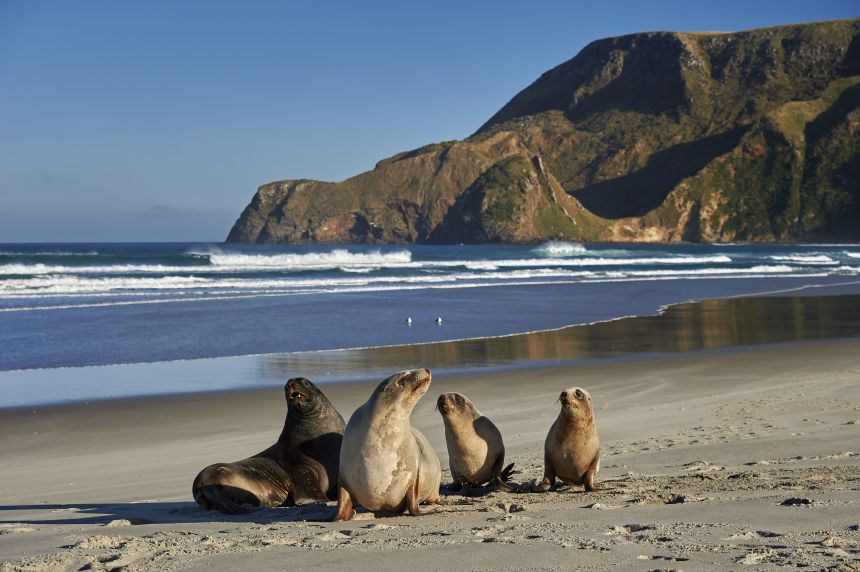
The colony is also home to New Zealand fur seals lounging on rocks frequented by seabird flocks. Agnew expressed her concern, stating, “It would be very distressing to witness losses among our seals and sea lions,” in an interview with USdaily.
In June, scientists disclosed that the virus had decimated an estimated 13,000 seal pups on the subantarctic Heard and McDonald Islands southwest of Australia—representing three-quarters of the local population. Drone footage captured showed numerous seal carcasses scattered across the islands’ gray volcanic shores.
In New Zealand, over 200,000 fur seals inhabit the waters, a population that has only recently recovered after being nearly driven to extinction by European sealers in the early 1800s. Officials express greater concern for the larger New Zealand sea lion, of which there are believed to be fewer than 5,000 mature adults remaining.
“It is much rarer,” Murphy remarked. “Therefore, we are closely monitoring that species.”
Here to stay
On a global scale, chickens have been the species most affected by the virus, with nearly a zero survival rate upon infection, prompting governments worldwide to undertake mass culling efforts on affected farms to curb the spread. In the United States alone, at least 174 million chickens have been slaughtered.
New Zealand’s biosecurity minister has cautioned that the nation will adopt a similar approach if a widespread outbreak occurs, potentially leading to shortages of eggs and chicken in supermarkets, prompting grocers to advise the public against panic buying.
Officials are not in a state of panic regarding the arrival of avian influenza. Being the last region to face this issue has provided New Zealand with years of preparation, which Murphy described as a “massive advantage.”
Now, the focus is on management strategies.
“It is here to stay… Our goal is to assist our species in adapting to this new threat,” he stated.
