
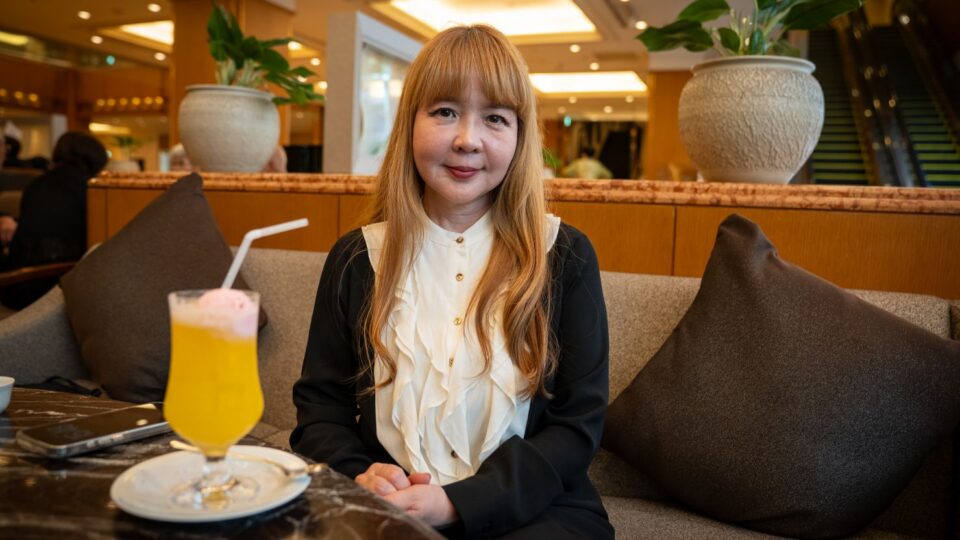
Eiko Toyama spent 32 years in her marriage before deciding to leave her husband.
She reported that during their time together, she managed all household chores and childcare, in addition to financially supporting the family. Her husband “wanted to control everything,” from her social interactions to her career aspirations, which made her feel confined and unhappy. Nevertheless, she endured it for the sake of their two sons.
This situation shifted when she reached the age of 60. By then, her adult sons were independent, and her husband was in good health – not old enough to require assistance. She recognized this as a valuable chance and seized it.
“After the divorce, I felt nothing but happiness. That was my sole emotion,” she stated. “I was so thrilled that I wanted to run around everywhere.”
Her story reflects a growing trend worldwide as the incidence of “gray divorces” – separations among individuals aged 50 and above – continues to increase annually. This phenomenon is noticeable in countries like the United States and others, but it holds particular relevance in Asia, where life expectancy is generally higher.
Countries such as South Korea, Japan, Hong Kong, Taiwan, and mainland China are grappling with demographic challenges due to declining birth rates and an increasing elderly population.
The rise in gray divorces is frequently driven by women, who have historically faced strict gender norms in conservative Asian cultures along with legal, financial, and social obstacles to obtaining a divorce. This is changing; in Japan, for example, among couples divorcing after many years of marriage, twice as many women as men initiated divorce proceedings in 2024.
This trend may transform the landscape of Asia’s older population in the next decade, leading to a greater number of individuals living independently and requiring enhanced welfare support, as experts anticipate – but it may also empower them to forge their own paths.
For women like Toyama, who grew up during the 1960s and 70s, divorce was rare and often associated with stigma and shame.
In those times, being a woman, “divorce felt like the end of life,” remarked Sangyoub Park, an associate sociology professor at Washburn University in Kansas, who authored a 2023 study about late-life divorces in South Korea.
This began to shift in the latter part of the 20th century as more women entered the workforce and pursued higher education. Gray divorces have steadily increased, especially as Generation X began reaching their 50s over the past decade, Park noted.
This demographic is significant: individuals born between 1965 and 1980, Generation X was the first cohort to experience a globalizing Asia, influenced by American television and cinema. Through popular culture, they absorbed American ideals such as valuing “personal choices over family obligations,” which, along with broader economic factors, gradually shifted perceptions of divorce, according to Park.
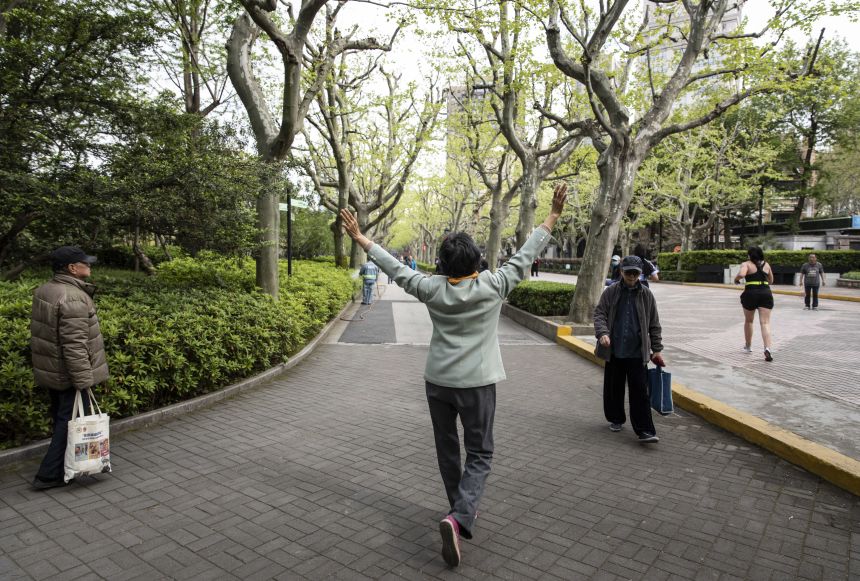
This trend is evident in regional statistics. In South Korea, the number of divorces among couples married for 30 years or more exceeded those of younger couples married for less than five years last year – marking a historic first.
Data from Taiwan also indicates a rise in divorces among long-married couples. In Hong Kong, numerous law firms have noted a significant increase in gray divorces, while in mainland China, the number of divorces among the elderly has doubled over the past three decades.
Part of this trend may be attributed to demographic shifts: an aging population provides a larger pool of older individuals, thus resulting in more divorces among them. Additionally, younger generations are marrying less frequently, leading to fewer divorces in that group.
However, legal reforms have also played a crucial role, establishing safety nets for women who previously relied on their husbands for financial support.
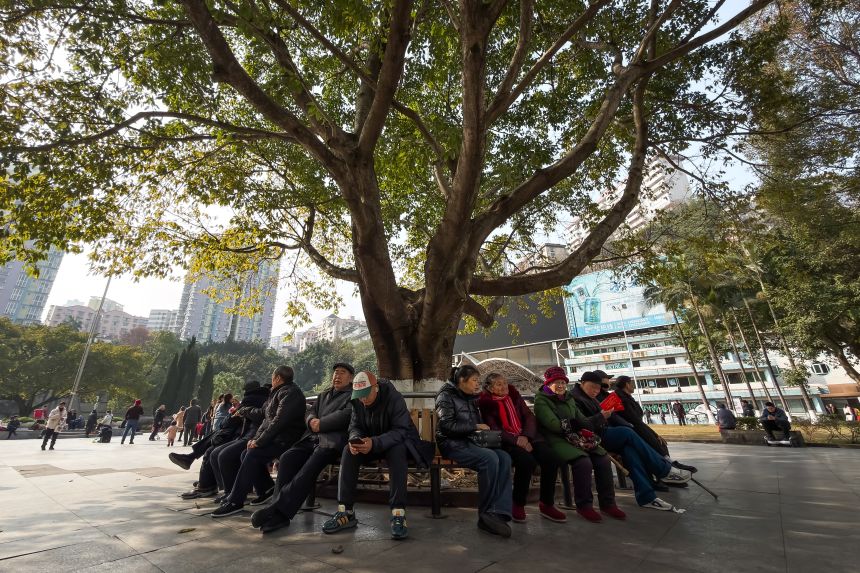
For example, South Korea decided in 2014 that future pensions and severance pay could be considered in the division of assets. Thus, if a homemaker managed all domestic responsibilities throughout the marriage, enabling her husband to work, she is entitled to a portion of his pension post-divorce. Japan enacted a similar reform in 2007.
These changes are particularly vital considering the elevated rates of elderly poverty in Asia. Among OECD countries, South Korea has the highest poverty rate among individuals over 65, while Hong Kong (not a member of OECD) also exhibits a high rate. Japan ranks slightly lower, yet still above the global average.
Moreover, significant gender inequality persists, despite these reforms.
“For women particularly, the primary obstacle to obtaining a divorce is the lack of financial independence,” remarked Toyama, highlighting the lower wages for women in Japan. “Once a woman becomes a full-time homemaker, it becomes quite challenging to leave her husband and achieve independence.”
“My two children are boys, but had I had a daughter, I would constantly advise her, ‘Regardless of the situation, never leave your job,’” she added.
The most significant common factor across Asia is longevity, according to Park – and how perceptions regarding the final stages of life are evolving.
“Having an additional 20 to 30 years creates new expectations,” with individuals becoming more “willing to leave an unhappy, unfulfilled marriage,” he stated. Divorce “is no longer seen as a failure – rather, it signals the start of something new. It’s the beginning of a new chapter.”
Iman Lau, 50, experienced this transformation firsthand. Growing up in Hong Kong, her expectations of marriage were rather uninspiring: she believed spouses merely shared meals, participated in activities together, and lived quietly. “This is simply how marriage is,” she thought.
This belief persisted even through her husband’s years of infidelity. She often questioned whether she had made some mistake or if she wasn’t enough for him. Ultimately, he decided to pursue a divorce despite her pleas to reconcile; he even likened her to a bird that refused to leave an open cage.
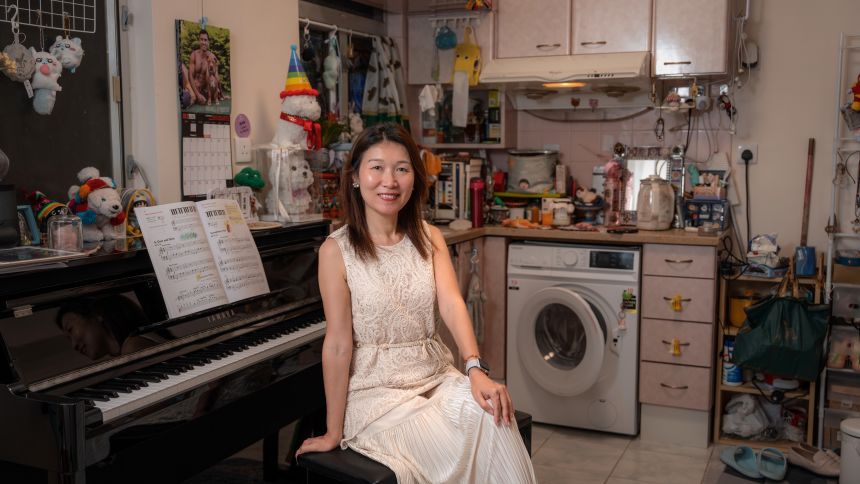
“I consider myself quite traditional,” she reflected. “Throughout my life, I never imagined I would go through a divorce.”
It felt like a shock, akin to losing a limb or an organ. However, it also led her to realize that during her 14-year marriage, she had lost her identity, neglecting her friendships and interests to simply “orbit around him,” she mentioned.
She resolved to change that after concluding her divorce, enthusiastically immersing herself in new experiences. She joined online meetups and made new friends. She discovered a passion for the outdoors, engaging in hiking, swimming, kayaking, and snorkeling. She’s also learning to play the piano and enjoys jazz music.
After traveling throughout Europe, she printed and displayed holiday photos in her home; this created her “happy wall,” serving as a reminder of the joy she experienced while trekking across Sicily and camping in Georgia.
“I had no idea that living independently could be so incredible,” she remarked.
Toyama is on a similar path, describing her life as “full of energy” at 63.
She has started livestreaming on TikTok and created an account on a messaging platform to offer advice to callers each week. She is also working on launching new business projects, including a marriage agency and a live events company.
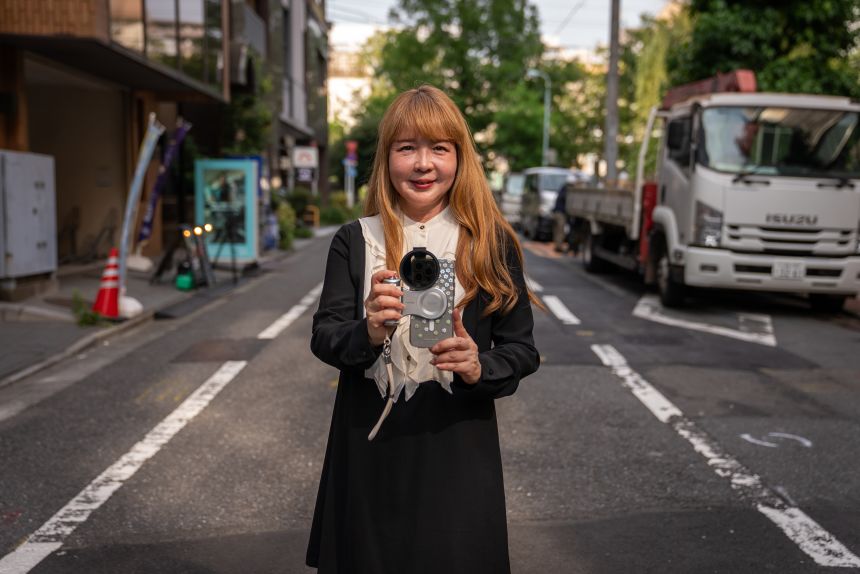
“For 32 years, I felt unable to do anything, but now I’m in my third year of having the freedom to do whatever I wish,” she expressed. The journey has not been without difficulties, but any current challenges are still “far better than the anxiety of living with my ex-husband,” she explained. “Above all, there is freedom.”
Both women noted a shift in societal perceptions when they disclosed their divorces. For Toyama, the responses were largely positive, with some expressing envy. Conversely, Lau encountered mixed reactions, revealing much about societal attitudes.
“Friends of my age view it as a taboo, akin to experiencing a death in the family – they hesitate to inquire about it, merely saying, ‘I’m so sorry,’” she noted. “However, younger Gen Z individuals often congratulate me.”
The rise in gray divorces may eventually stabilize as millennials – who married under vastly different circumstances and social norms than their predecessors – transition into retirement, Park suggested. However, that change is still a decade away, and separations are likely to continue increasing until then.
For those future divorcees, Lau offers a message of hope. “In reality, this world is remarkable,” she said.
“Particularly among Asians, divorce is often viewed as a blemish or taboo in one’s life, akin to a mark of failure. But that’s incorrect,” she added. “Consider it an opportunity to discover that you can lead an even more vibrant life – as long as you are prepared to take that step.”
USdaily’s Shuai Zhang, Mirai Katagiri, and Ayuka Nitta contributed to this report.
