
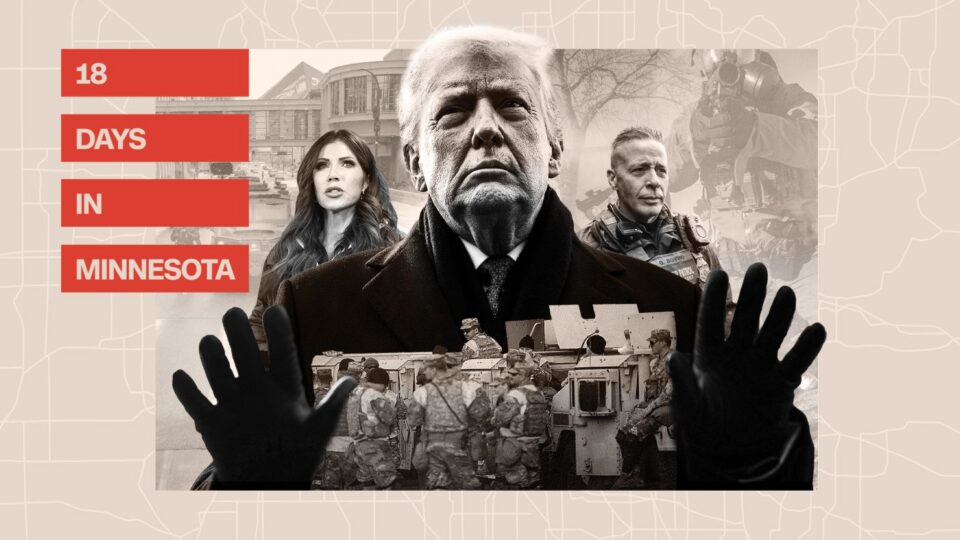
Minneapolis
“Someone’s going to get killed.”
This ominous statement came from a federal agent with the Homeland Security Investigations unit, sending a wave of apprehension among the other officials present.
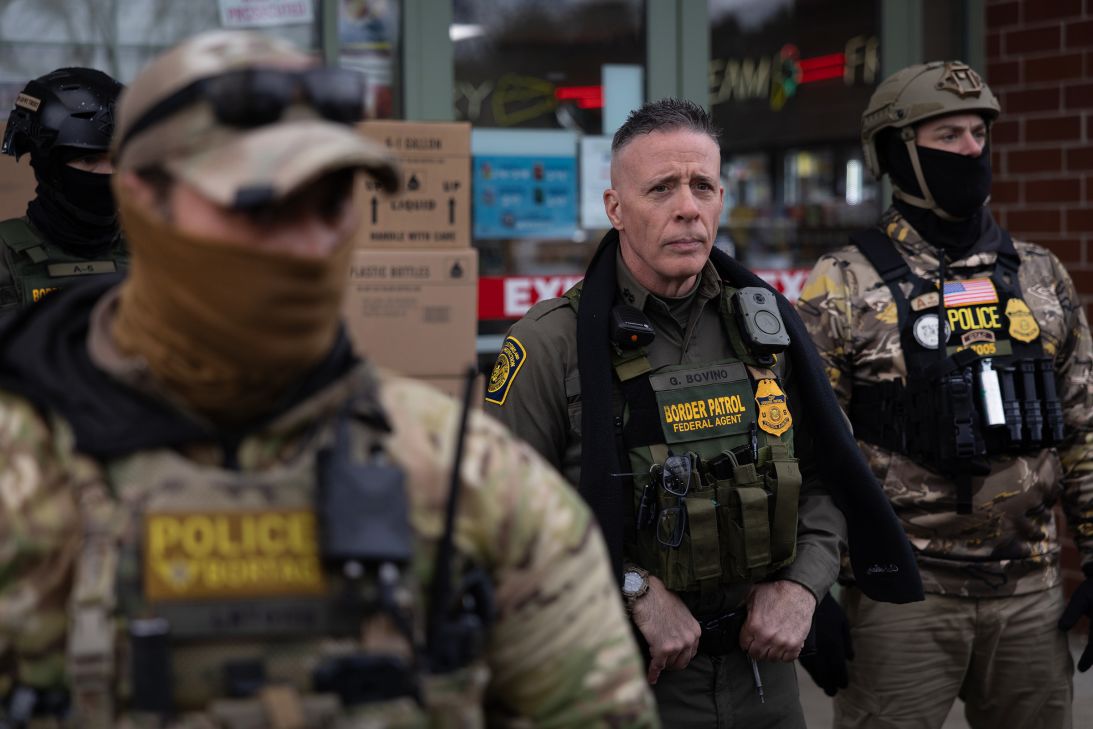
It was the beginning of January 2026. The HSI representative articulated concerns about an impending crisis as the Trump administration dispatched ICE agents, CBP officers, Border Patrol personnel, and the contentious Border Patrol commander Gregory Bovino to Minneapolis for what was labeled Operation Metro Surge.
Homeland Security officials attempted to convey to local prosecutors and other authorities that the Border Patrol agents were ill-suited for immigration enforcement in an urban environment. These agents typically operate in isolation along the southern border, often without support for miles, viewing themselves as the final barrier against threats. Their approach, they warned, could lead to severe confrontations.
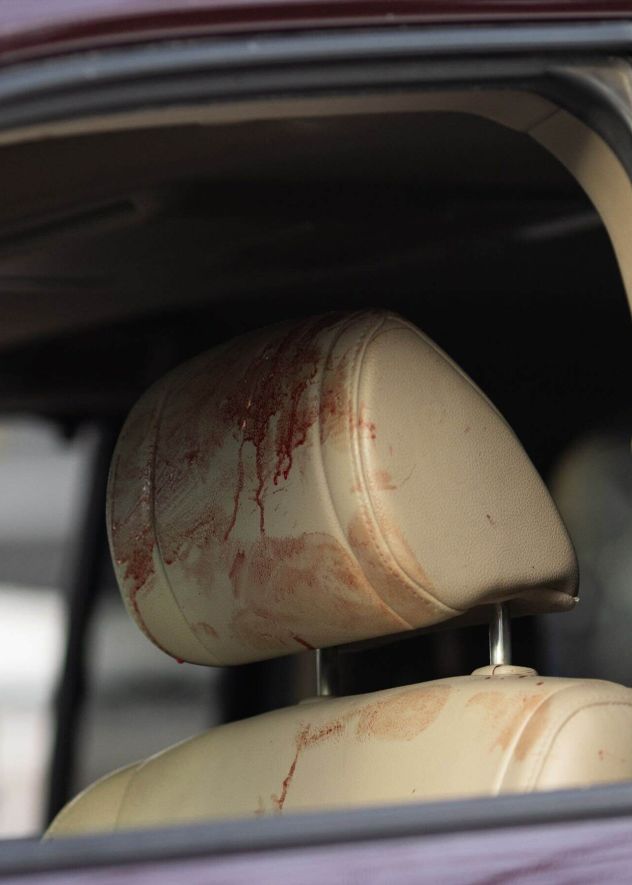
The agent’s apprehensions regarding the unusual influx of DHS personnel turned out to be accurate. Federal immigration agents were soon involved in the deaths of Renee Good on January 7 and Alex Pretti on January 24.
This narrative follows the 18 days between the killings of Good and Pretti, illustrating the questionable practices of the Trump administration regarding immigration enforcement and the events surrounding the shootings. Interviews with over a dozen current and former officials from the Trump administration were conducted by USdaily, most of whom chose to remain anonymous due to fears of retaliation.
After Good’s death but before Pretti was killed, Bovino requested a conversation with Daniel Rosen, the US attorney for Minnesota. This call was handed off to prosecutors in the office, with Rosen not participating.
Bovino expressed frustration that prosecutors had not been pursuing cases against demonstrators who he and his team claimed had committed assaults on federal officers.
The reason for this was clear. Prosecutors in the US attorney’s office, who had previously relied on law enforcement accounts, had discovered that many complaints from immigration agents were proven to be false when examined with evidence.
The conclusion reached was that immigration agents were often deceptive.
The comments made by Bovino during the call astonished the prosecutors. The fatal shooting of Good, a 37-year-old mother of three, did not lead Bovino to adopt a more tempered stance. To the contrary, he became more aggressive.
“These people are wackos,” Bovino remarked about the protesters in Minnesota. “The shit is getting ready to come. We’re not putting up with anything in this city. It’s coming. We’re not going to calm it down, we’re going to put it down.”
He continued, “You’ve got 3,000 law enforcement agents that are about to lock this city down. If it doesn’t work, we’ll bring in 4,000 more. It doesn’t matter to me. We will pacify this place, we will roll ‘em up. We’re not waiting on the local police, we’re not going to mess with it.”
He spoke about the potential for occupying the city and made a contemptuous comment about Rosen, who is an observant Jew and unavailable during the Sabbath on Saturday, derisively calling him one of the “chosen people.”
The prosecutors were taken aback by what they heard, realizing that Bovino’s bravado about suppressing protests was directed at prosecutors he had never met. All the concerns raised by HSI members proved accurate. Prosecutors believed Bovino was there with malicious intent, promoting a strategy that incited violence from the federal government. Some questioned whether Bovino was sent to Minnesota to incite a riot.
“They’re going to kill someone else,” remarked a prosecutor on the call later. Others concurred.
When questioned by USdaily regarding the call with prosecutors, Bovino stated he was focused on his mission to manage the protests.
“I wasn’t angry. I was merely trying to accomplish my tasks,” he explained. “Maybe I was a bit intense — I hope I was — and I don’t think they appreciated that too much.”
Although he noted that he couldn’t recall his exact phrasing, Bovino asserted that he would not have characterized the attempt to quell protests in that manner. Regarding the “chosen people” remark, he denied any antisemitic intention, stating he was simply frustrated that Rosen wasn’t available on a Saturday, wanting someone to “answer the goddamn phone.”
Tom Calhoun-Lopez, who was the chief of the Violent and Major Crimes section for the US Attorney’s Office in Minnesota, told USdaily that from the onset of the Trump administration’s immigration crackdown in Minnesota, the directives from the Justice Department conflicted with core law enforcement principles. “I could not reconcile what I was being asked with my obligations to the law and the Constitution,” he stated.
“I was doing everything in my power to uphold the rule of law within the context of the operation,” said Calhoun-Lopez, a US Army veteran with over 16 years of prosecutorial experience. “It became clear that it would not be possible for me to continue doing so.”
The day after the call with Bovino, on January 13, Calhoun-Lopez and four other prosecutors from the office resigned as a protest against what they considered unethical and immoral directives from the Trump Justice Department.
Along with Calhoun-Lopez, resignations also came from the office’s second-in-command, First Assistant Joe Thompson; Chief of the Criminal Division Harry Jacobs; former Criminal Chief and Counsel to the US Attorney Melinda Williams; and line prosecutor Ruth Shnider.
The fallout extended beyond these four individuals, with at least eight more resignations occurring in the following weeks, including Deputy Chief of both the Narcotics Division and Indian Country Allen Slaughter Jr. and line prosecutor Dan Bobier.
The office was relatively small and closely-knit, so information circulated rapidly. Thompson regularly updated staff on important developments, especially following Good’s shooting.
Meanwhile, in Washington, DC, five senior prosecutors from the Justice Department’s Criminal Section of the Civil Rights Division also departed, with the Good case accelerating their exits, as they concluded that the Trump administration was undermining the integrity of the process.
The controversies have persisted into the summer. Recently, ICE agents have fatally shot unarmed migrants in vehicles in Texas and Maine, with the initial government accounts of these events facing scrutiny.
In response to USdaily’s inquiries for this report, White House spokesperson Abigail Jackson stated: “The Trump administration remains dedicated to enforcing federal immigration law and all federal statutes. This includes the deportation of illegal aliens unlawfully present in the country, as well as taking actions against individuals engaged in fraudulent schemes and stealing from American taxpayers.”
A DHS spokesperson characterized it as “shameful” to imply that Border Patrol agents were not adequately equipped to enforce the law.
“Border Patrol agents are highly trained and required to uphold the highest standards of professionalism and law enforcement skills. Many agents come from military or local law enforcement backgrounds, and they receive extensive federal law enforcement training,” the spokesperson stated.
A crackdown on fraud
Prior to the fall of the previous year, the office of Rosen, who often traveled out of state, had enjoyed a good rapport with the Justice Department, according to his prosecutors.
The office’s second-in-command, First Assistant Thompson, had previously led the Fraud Unit, which had been actively prosecuting numerous individuals involved in fraudulent activities related to Covid relief programs designed to assist those in need.
The conviction of Aimee Bock in March 2025 for orchestrating the embezzlement of $250 million from a program aimed at feeding children was just one of the latest triumphs in the office’s efforts against widespread fraud involving many Minnesotans, including members of the Somali-American community.
Feedback from the Trump administration’s DOJ, particularly from Deputy Attorney General Todd Blanche and Associate Deputy Attorney General Aakash Singh, had been very positive. Officials appeared to trust Thompson, who was part of the team investigating President Joe Biden’s handling of classified documents.
The collaboration between Minnesota authorities and federal agencies faced challenges in 2025 due to two local incidents that shocked the community. The first was the tragic June shooting of state Rep. and former Minnesota House Speaker Melissa Hortman and her husband, Mark, who were killed, along with Minnesota state Sen. John Hoffman and his wife, Yvette, who were injured. Subsequently, in August, a shooting incident at Annunciation Catholic School in Minneapolis resulted in the tragic deaths of Fletcher Merkel, 8, and Harper Moyski, 10.
Despite the horrific nature of these crimes, federal and local authorities worked effectively together in investigating and prosecuting the perpetrator of the Hortmans’ murders, with the school shooter having succumbed to a self-inflicted gunshot wound.
Prosecutors had previously dealt with conspiracy theories surrounding their cases, including the false claim that Minnesota’s Democratic Governor Tim Walz had a role in Hortman’s assassination.
Minnesota in the spotlight
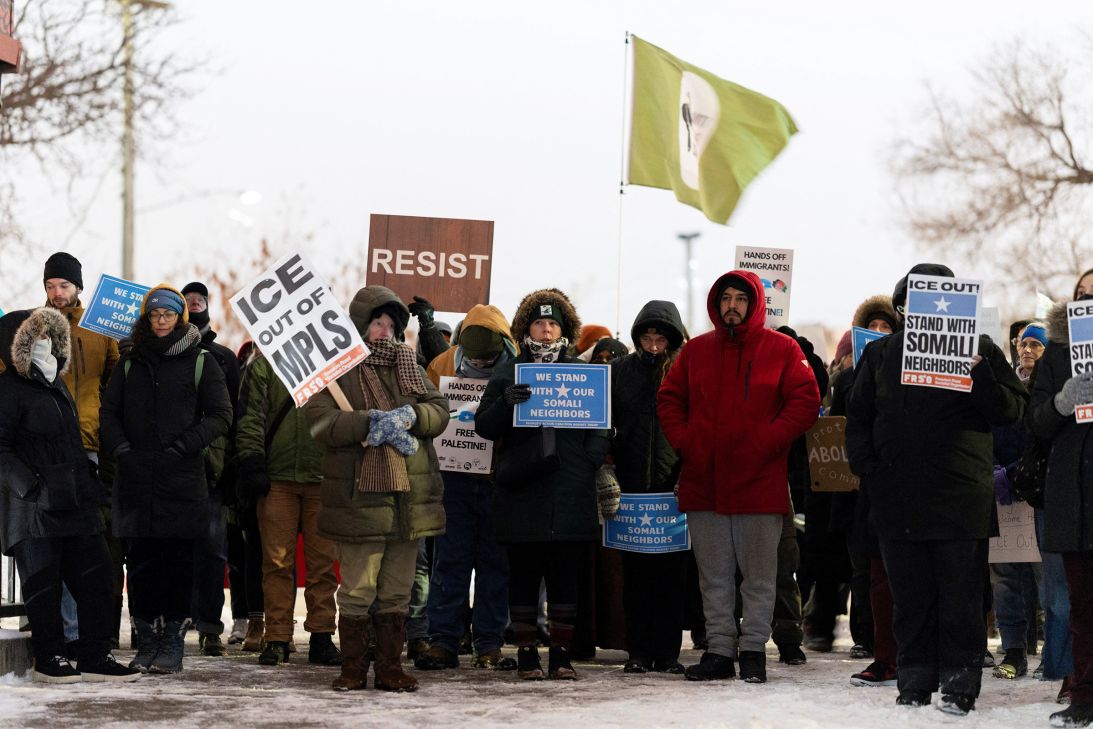
Many former prosecutors noted that the situation deteriorated further when conservative commentators began focusing on Minnesota’s immigration issues.
On November 19, conservatives Christopher Rufo and Ryan Thorpe published a piece in City Journal titled “The Largest Funder of Al-Shabaab Is the Minnesota Taxpayer,” which referred to a terrorist organization linked to al-Qaeda.
In response to inquiries, Thompson stated, “There’s no evidence that the defendants we charged were radicalized or attempting to fund Al-Shabaab or other terrorist organizations. Some funds may have reached Somalia, but indirectly, and perhaps some were captured by Al-Shabaab, which exerts control over significant parts of Somalia and imposes taxes there.” (Weeks later, a key source for the City Journal article told the Minneapolis Star Tribune that the piece was “nonsense” and claimed he had been misquoted, although City Journal maintained its position.)
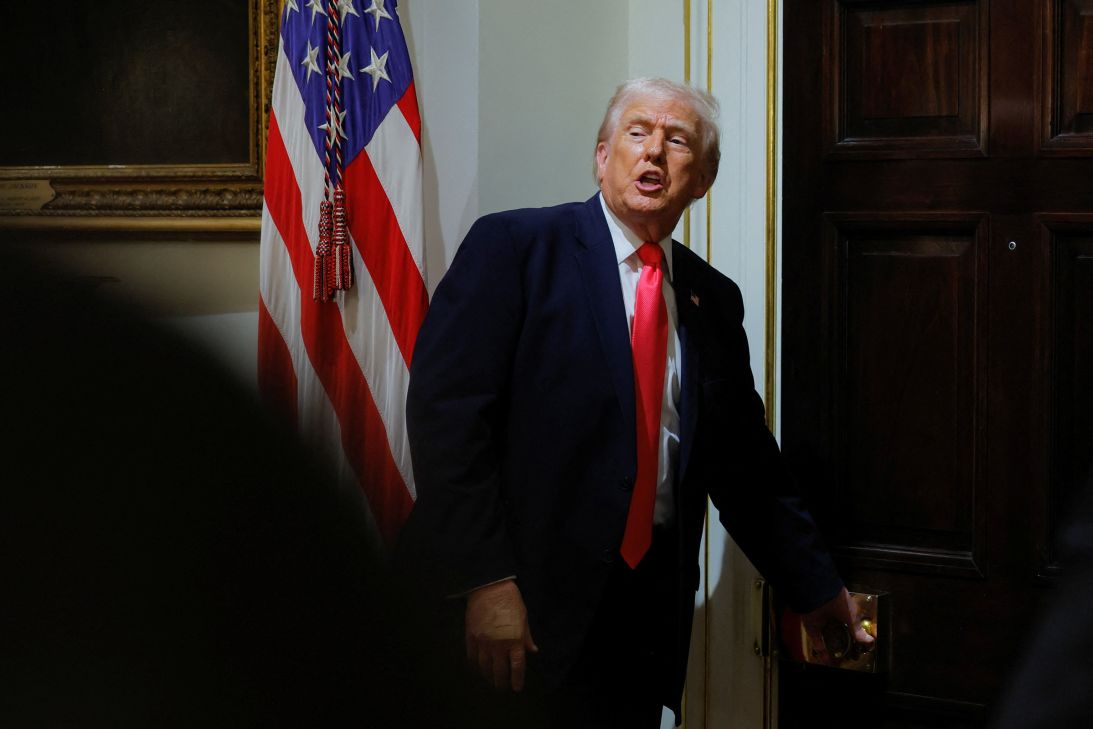
On November 21, President Donald Trump announced on social media that he was “terminating, effective immediately, the Temporary Protected Status (TPS) for Somalis in Minnesota. Somali gangs are terrorizing the citizens of that great state, and BILLIONS of dollars are missing. Send them back to where they came from.”
Later that same day, during the televised segment of his Cabinet meeting on December 2, Trump remarked about “what is occurring in Minnesota, the land of a thousand lakes or however many lakes they have, they have a lot of lakes. But this beautiful place, and I see these people ripping it off.”
Operation Metro Surge commenced on December 1, ultimately deploying over 3,000 agents to the Twin Cities.
By December 4, DHS was touting the arrest of “the worst of the worst” undocumented immigrants, including violent gang members and individuals convicted of serious crimes, such as sexual offenses, assault, robbery, and domestic violence.
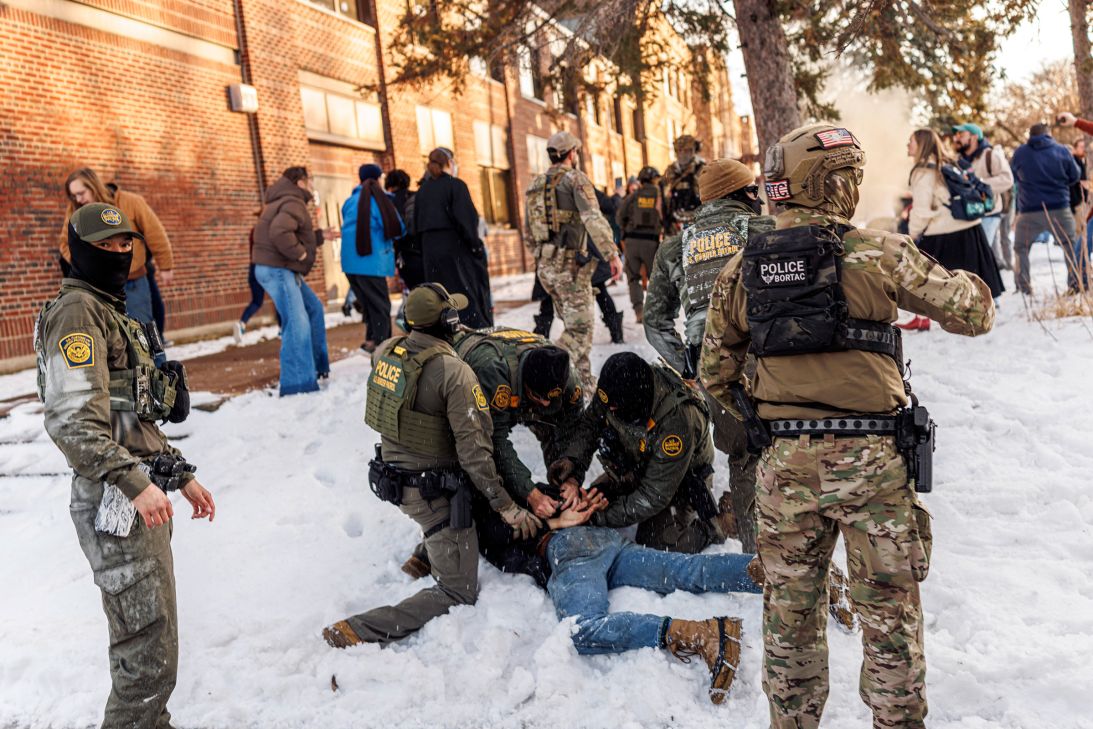
However, residents of Minnesota began to express concerns that the ICE agents in Minneapolis were engaging in racial profiling and exhibiting excessively aggressive behavior. Early in December, video footage posted by the Sahan Journal depicted agents forcibly tackling and arresting a man who asserted he was a US citizen, while Minnesota Public Radio shared footage of agents detaining a citizen observer.
“They were deploying thousands of agents without any planning,” a prosecutor recalled. “This led to significant disorder. It became really bad. I believe they were all trying to manage Trump’s expectations.”
Conversations between the US attorney’s office and local DHS officials heightened their anxiety when it came to light that part of the Trump administration’s plan involved deploying Border Patrol agents, many of whom lacked urban operational experience.
“From the outset, DHS conducted the operation with a militarized approach,” remarked Calhoun-Lopez, referring to the heavily armed ICE and DHS agents who were unfamiliar with Minnesota’s communities. “They patrolled in full combat gear, which gave the impression of a military occupation, and their ethos was one of suppression.”
Prosecutors, forewarned by HSI agents about the potential for exacerbation of tensions by Bovino and the Border Patrol, attempted to prevent their arrival by reaching out to Justice Department officials in Washington.
Regardless, Bovino and the Border Patrol proceeded with what was initially intended to be a two-day operation, which was extended following the shooting of Good.
“Commander Bovino’s public remarks reinforced the agents’ mindset that this constituted a paramilitary occupation,” Calhoun-Lopez noted, “with the intention to subdue the people of Minnesota. … The situation descended into chaos, culminating in the tragic shootings of Renee Good and Alex Pretti.”
Bovino rejected the notion that his presence stirred up tensions in Minneapolis and other cities where he was sent. “The tensions had already escalated prior to our arrival. So, if they claim otherwise, they are being disingenuous at best and deceitful at worst,” he told USdaily.
‘He lied multiple times’
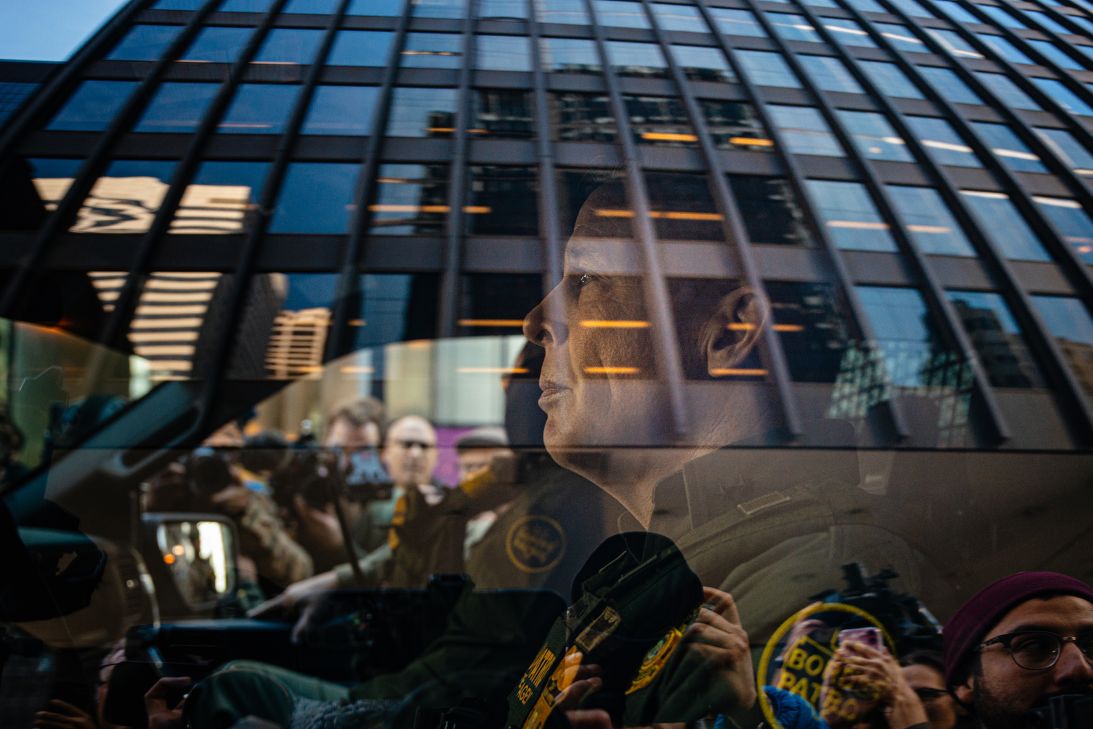
Bovino had already been labeled a liar by the courts. However, this did not appear to concern the Trump administration.
Following a surge of immigration enforcement officers to Chicago for “Operation Midway Blitz,” which led to a lawsuit against the government for excessive force, US District Judge Sara Ellis issued a comprehensive ruling against Bovino, former Homeland Security Secretary Kristi Noem, acting ICE director Todd Lyons, Customs and Border Protection Commissioner Rodney S. Scott, and others.
The judge accused the defendants of “widespread misrepresentations,” singling out Bovino for his lack of credibility. “The Court specifically finds his testimony not credible. Bovino appeared evasive during the three days of his deposition, either providing ‘cute’ responses to questions posed by Plaintiffs’ counsel or outright lying.” The judge noted, “Bovino admitted under oath that he had lied multiple times about the events that transpired in Little Village, which prompted him to deploy tear gas against protesters.”
Weeks after this decision was issued, despite clear evidence of Bovino’s excessive force against US citizens and his perjury about the justifications for his actions, the Trump administration assigned him to Minnesota.
‘That didn’t fucking take long’

On the morning of January 7, prosecutors at the US attorney’s office learned about the shooting alongside the rest of the public. Texts, emails, and phone calls flooded in as the video went viral, inciting public outrage.
Renee Good, a local woman, had just dropped off her 6-year-old son at Southside Family Charter School in south Minneapolis. She and her wife, Becca, intended to act as “legal observers” of the immigration operations. Good was shot while driving her Honda Pilot on Portland Avenue near 34th Street in the Powderhorn neighborhood. It was not one of Bovino’s Border Patrol agents who shot her, but rather an ICE agent named Jonathan Ross.
“Well that didn’t fucking take long,” remarked one prosecutor to a colleague.
Based on the footage they had seen, and acknowledging that an investigation was necessary before making any judgments, few prosecutors believed the shooting could be clearly justified. Some considered it potentially criminal, especially since the agent fired at her from the side window when she was no longer a threat and was believed to have uttered “fucking bitch” after the shot was fired.
Others felt that Ross might successfully argue he thought he was in danger, making prosecution challenging — a situation often described as “lawful but awful.”
The consensus among the prosecutors was that Good did not intend to hit Ross and that his use of lethal force was unnecessary. However, the case was complicated due to Ross’s ability to claim he feared for his safety, making such cases against law enforcement officers difficult to prosecute.
Later, footage surfaced showing federal agents at the scene denying access to a person claiming to have medical expertise.
