
An increase in US combat fatalities and an escalation in the Iran conflict prompt a reevaluation of a long-standing inquiry: What is President Donald Trump’s ultimate strategy, and how does he plan to achieve it?
This war has been inadequately explained by the administration since its onset, and the recent return to near full-scale aerial warfare after a series of US airstrikes is no different.
The president appears to be resuming bombing campaigns because he cannot bear the personal, political, and economic ramifications of Iran’s significant success thus far — its control over the Strait of Hormuz. However, he has not communicated to the American public why he thinks this approach may yield better results than previously.
The rapid escalation of US airstrikes, coupled with Iran’s broadening counterattacks — notably the incident last week that resulted in the deaths of two US personnel in Jordan — threatens to draw the entire region back into chaos.
Although Jordan, a US ally situated east of Israel and west of Iraq, is geographically farther from Iran than US installations in the Gulf states, the recent successful attack on US troops in Jordan demonstrates that Iran still possesses significant military capabilities despite weeks of American bombardment. On Sunday, Iran accused the US of targeting a nuclear power facility under construction and issued a warning of retaliation. Israel has stated it is prepared to immediately engage in combat if attacked.
The ongoing conflict with Iran is not yet considered a “forever war” in the Middle East, a type of engagement the president has repeatedly promised to avoid. However, it is far from being a limited conflict either.
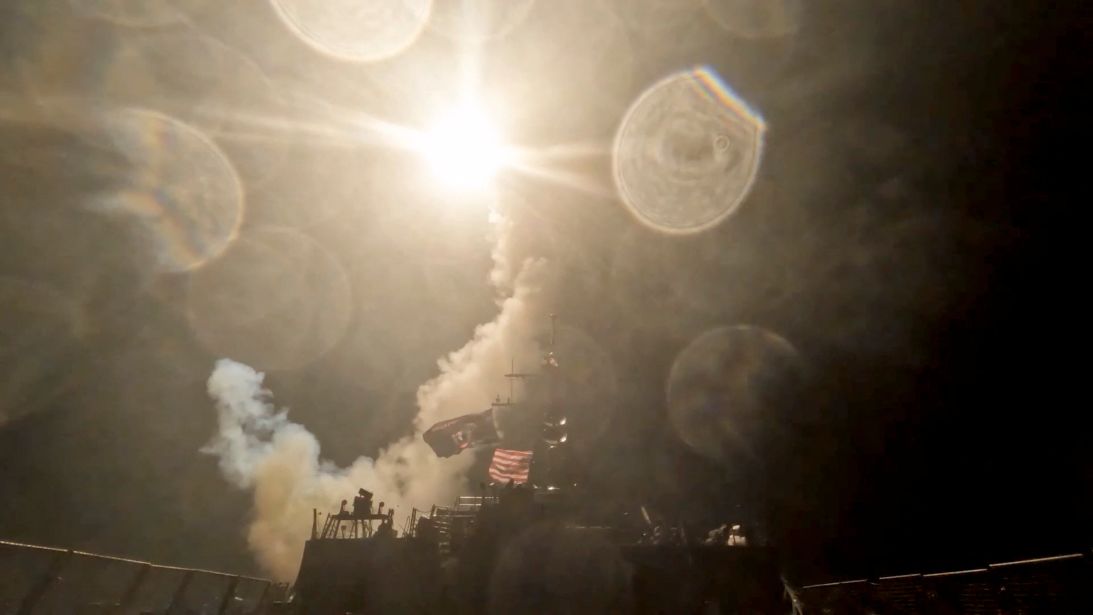
How can Trump reverse Iran’s significant gain?
Unless there is an unexpected change in the oppressive regime’s political landscape in Iran, it remains uncertain how these latest strikes could effectively alter the situation. The administration has not clarified whether the objective of the recent strikes is merely to incapacitate Iranian assets near the Strait of Hormuz that facilitate attacks on commercial shipping or if it is laying the groundwork for broader military action that might involve ground forces.
Another uncertainty is whether the president is now more inclined to target civilian infrastructure as a means of applying additional pressure on Iran’s weakened economy and political framework.
Additionally, it remains to be seen if he possesses the resolve to withstand the potential global economic fallout that may arise before the reimposed restrictions on ships and ports significantly increase pressure on Iran. Last month, he informed Americans that he initiated an agreement to conclude the war to avoid triggering another Great Depression, which was perceived as an effort to lessen political repercussions for the GOP before the upcoming midterm elections.
These inquiries are particularly relevant now, not only because hostilities are escalating nearly five months after Trump proclaimed victory in a matter of days, but also because this new phase appears to be an effort to correct the shortcomings of the initial conflict. US forces are currently engaged in efforts to diminish Iran’s ability to utilize the strait to threaten the global economy.
Prior to the war, the strait was open for unrestricted navigation. If Trump fails to restore that condition, his legacy may be seen as one of strategic failure. Nevertheless, his options for achieving this are constrained, especially as certain elements of the newly formed Iranian government appear to be increasingly supportive of further conflict.
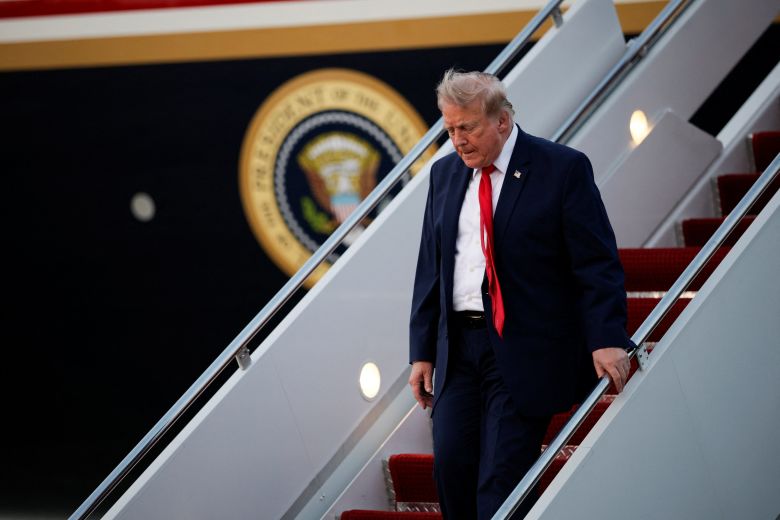
The president could have shared his latest views on the conflict during a national address last week. However, he only referenced it indirectly, spending the majority of his time discussing claims about the US electoral systembeing compromised, even though declassified documents released by the White House did not substantiate his assertions.
This omission has only contributed to the uncertainty surrounding the strategy.
Increased US casualties
The casualty figures for the Iran conflict in the US are not comparable to the fatalities and injuries experienced during the wars in Afghanistan and Iraq. Nevertheless, each loss devastates a family. Each death amplifies the pressure on political leaders to validate that the mission justifies the sacrifice.
On Friday, two personnel were killed due to an Iranian strike on a US facility in Jordan, and one individual is still unaccounted for. On Saturday, a US soldier lost his life in northern Iraq during a controlled demolition of unexploded ordnance from a downed Iranian drone, raising the US death toll to 17. Civilian casualties in Iran are believed to be higher, but independent media cannot verify those figures.
Trump responded to the deaths of the first two service members during an interview with the New York Post, describing the losses as “a shame” and stating he would reach out to the families of those who died. He also expressed to NewsNation that “we hate to see it happen.”
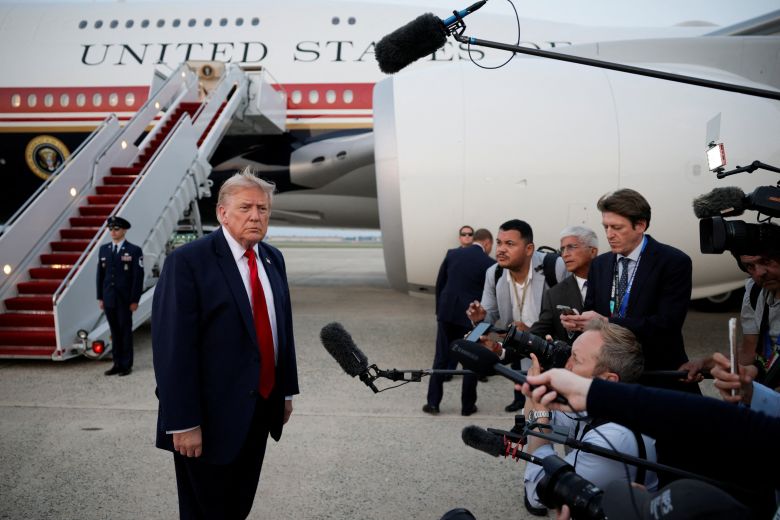

The administration’s most direct attempt to clarify its actions came from US Energy Secretary Chris Wright during an interview with ABC News’ “This Week.” He stated that the president’s focus remains on weakening Iran’s capacity to threaten global security, disrupt international commerce, and prevent Iran from acquiring nuclear weapons. This objective has not changed.
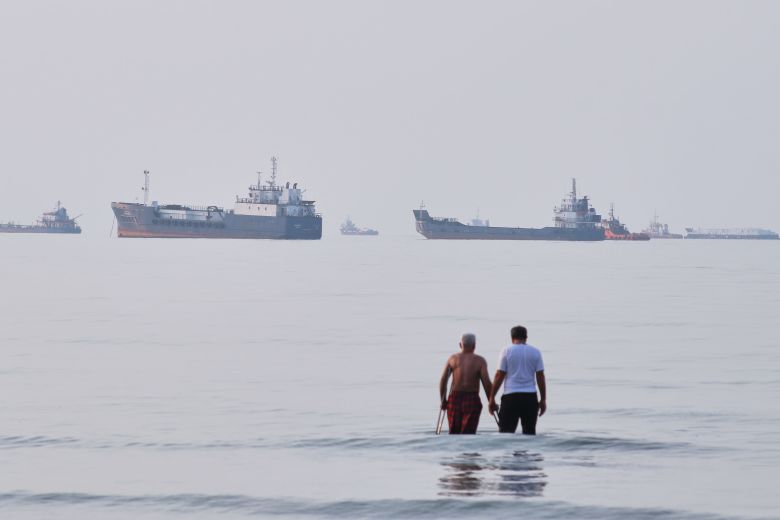
Wright contested claims from public reports indicating a significant decrease in tanker traffic through the strait. Data from the maritime tracking firm MarineTraffic suggested that traffic through the strait fell to just eight vessels on July 16, a decline from 15 the previous day. Prior to the conflict, an average of approximately 116 ships traversed these crucial shipping lanes each day.
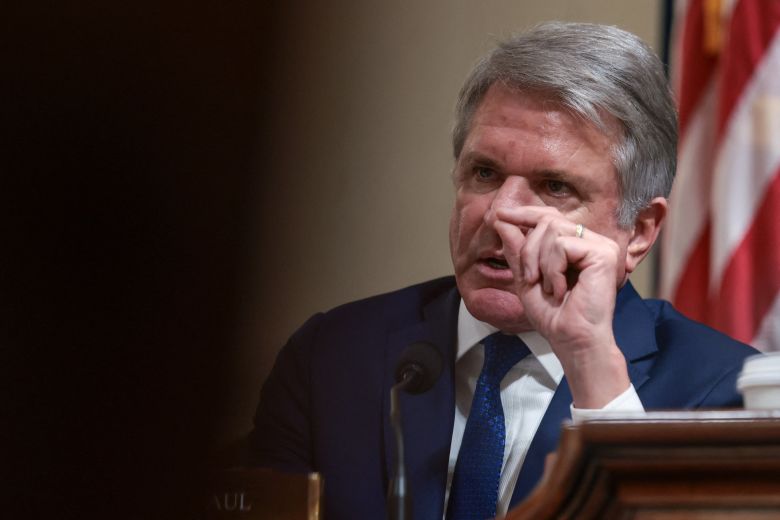
Republican Representative Michael McCaul from Texas asserted on “Fox News Sunday” that the military was “winning this war against Iran.” He remarked, “We halted … to pursue a ceasefire and negotiated settlement.”
McCaul was referring to the memorandum of understanding that Trump claimed met all US objectives but collapsed partly because Iran sought to assert its control over the strait. McCaul emphasized that the “fundamental objective now” is for US military forces to eliminate Iranian launch sites and drones.
During an appearance on USdaily’s “State of the Union” on Sunday, Democratic Senator John Fetterman, who diverged from certain factions of his party regarding the conflict and his backing of Israel, stated that Trump should persist. “I believe it is entirely appropriate to continue confronting Iran,” Fetterman conveyed to Jake Tapper.
Conversely, Senator Mark Warner, the leading Democrat on the Senate Intelligence Committee, remarked, “This is the outcome when you initiate a war based on choice.” Warner, a member of the Gang of Eight, who are privy to the most sensitive intelligence, stated to CBS’ “Face the Nation” that “I can affirm without a doubt that there was no imminent threat from Iran.”
Is there a possible resolution?
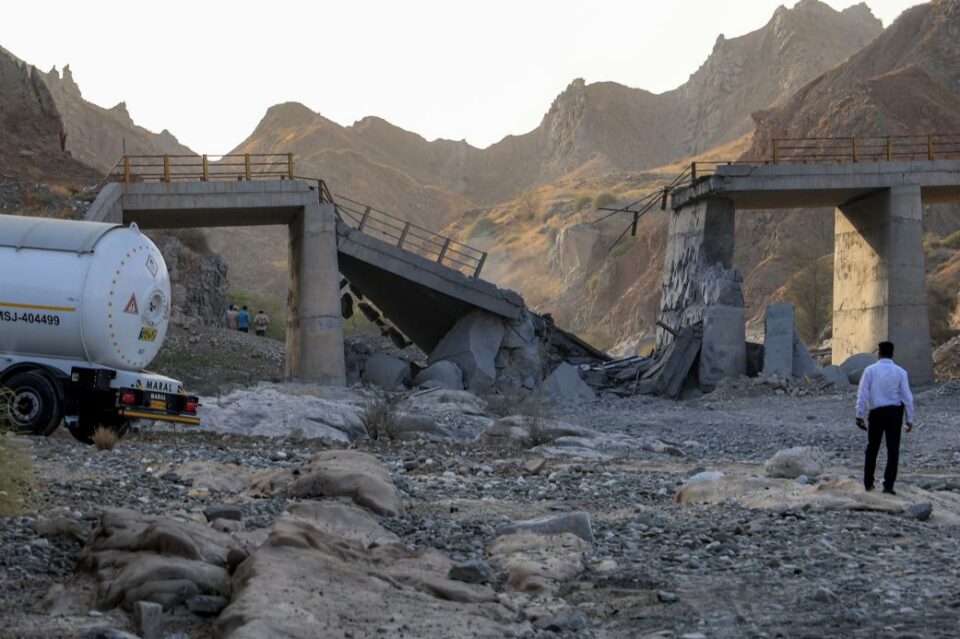
The ongoing discussion in Washington regarding the war, similar to Trump’s public remarks, appears to reflect a troubling cycle. Attacking Iranian positions around the strait, as well as civilian infrastructure like bridges used by the military, may mitigate Tehran’s threat. However, in an era of drones, where just a handful of missiles can deter vessels from navigating the strait, can the US military ever effectively lower the risks to an acceptable level?
Criticizing Trump over the conflict may serve as a political tactic for Democrats leading up to the midterms. However, it does not aid in identifying a viable solution. If political pressures compel Trump to withdraw, the global economy will be held captive by an oppressive regime in Tehran. Furthermore, there are no indications that Iran will agree to concessions through diplomacy that the US and the international community would find acceptable.

While the current strategy of escalating airstrikes may be effective temporarily, without consistent military engagement, Trump, or his successor, may find it challenging to ensure that the threat from Iran is conclusively addressed. Moreover, without the transparency that a potential nuclear agreement could provide through international oversight, the possibility — even if merely theoretical — of the Islamic Republic moving towards nuclear armament remains a concern.
This complexity may best illustrate Trump’s recent approach of escalating tensions without a defined conclusion.
Retired US Navy Admiral James Stavridis remarked to Tapper that all of Trump’s options are unfavorable. He noted that while Iran may not have a strong position, they are managing their strategy effectively, drawing parallels to the North Vietnamese during the Vietnam War or the Taliban in Afghanistan. “They aim to convince us that this effort isn’t worth the cost, leading us to eventually withdraw,” Stavridis stated.
He added, “I don’t believe they will succeed with that strategy, but it is clearly their approach. So far, they are effectively remaining engaged and in the game.”
