
“We require some straightforward answers and honest communication.”
Republican Senator John Kennedy set aside his usual informal style to address the nation directly on Capitol Hill Tuesday.
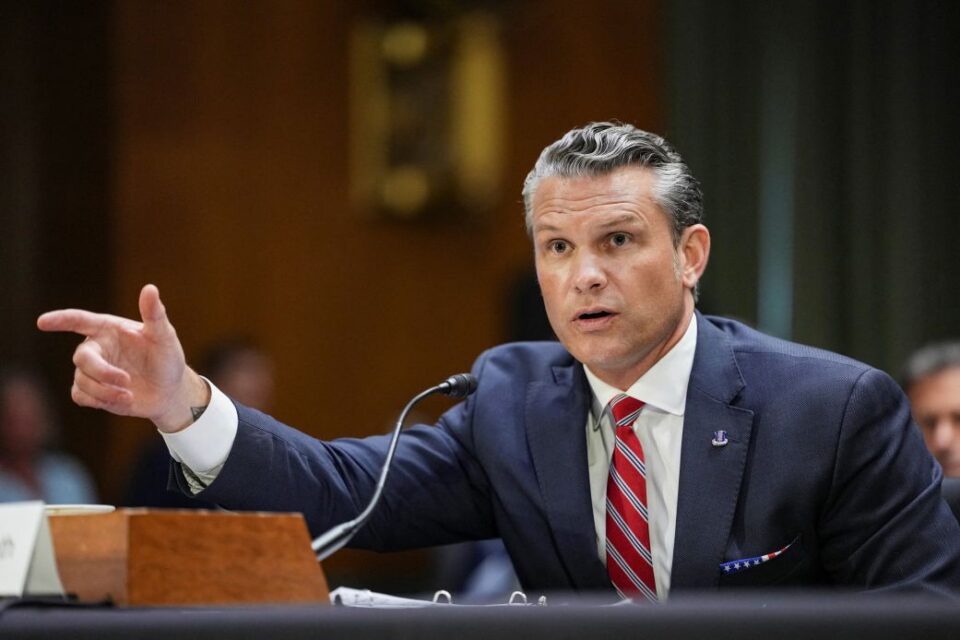
Kennedy, along with many Americans, sought clarity from Defense Secretary Pete Hegseth regarding the duration and cost of President Donald Trump’s military engagement.
However, they left without satisfactory answers.
Most Republicans maintained their positions during a crucial hearing with an administration engaged in a widely unpopular conflict, while Democrats pointed out the discrepancy between the administration’s previous claims of victory and the current deadlock.
During a particularly telling exchange, Democratic Senator Jon Ossoff challenged Hegseth: “You refuse to clarify whether your statement on the 14th day of the conflict, claiming Iran’s military was effectively destroyed, was truthful as you seek tens of billions more from us.”
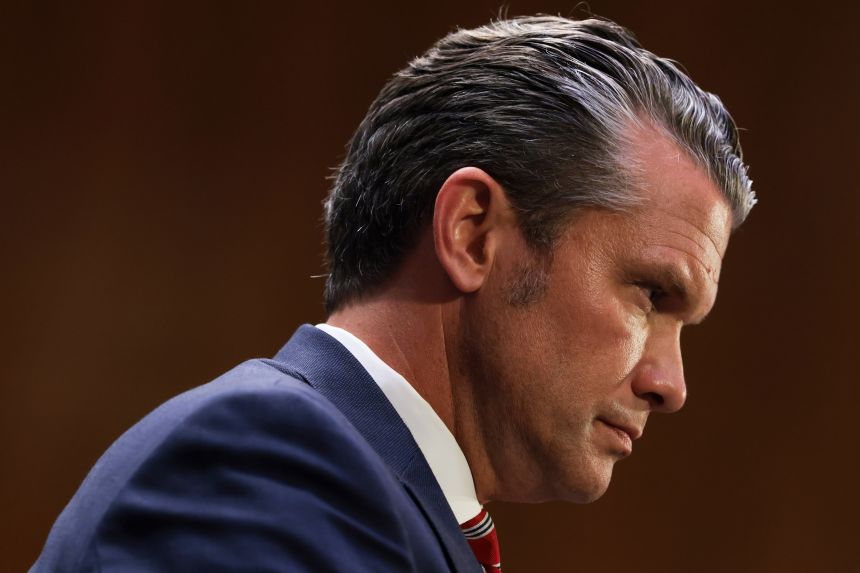
The Georgia senator’s persistent questioning drew out a significant conclusion from the hearing: The administration is seeking a substantial financial influx for a conflict it has consistently failed to articulate, lacks control over, and for which it has no clear success metrics or exit strategy.
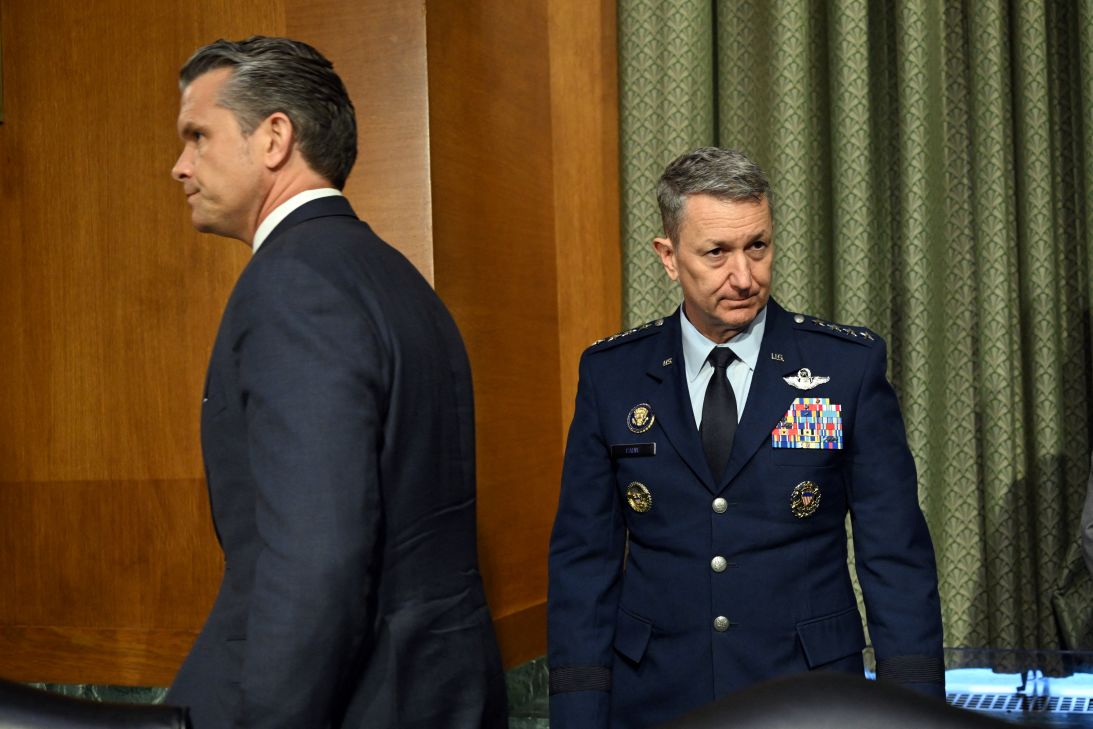
Hegseth, along with Joint Chiefs of Staff Chairman Gen. Dan Caine, presented an $87.6 billion supplemental request from the Trump administration, which allocates over $67 billion for the conflict and additional Pentagon expenditures.
As Hegseth reported that the war had accumulated costs amounting to $37.5 billion, the conflict continued to escalate. Additional US military casualties were reported over the weekend, raising the death toll to 18; USdaily noted that 100 American personnel had been injured since early July; Iran has nearly shut down shipping in the Strait of Hormuz; its Houthi allies in Yemen are threatening alternative routes in the Red Sea; and on Tuesday, Trump indicated he would soon authorize further escalation, targeting Pickaxe Mountain, another suspected Iranian nuclear facility.
An alarming new reality
Hegseth and Caine largely avoided direct questions. The White House’s strategy of dispatching Agriculture Secretary Brooke Rollins, a skilled politician, to discuss a supplemental request of $11 billion for farmers impacted by winter storms proved effective, especially since each senator faces agricultural issues.
However, while Hegseth commended Trump for initiating the conflict and blamed the Biden administration for various problems, the hearing revealed more than the administration may have anticipated.
It has become evident that the breakdown of the Memorandum of Understanding, which briefly halted hostilities, has restricted the administration’s objectives in the war. Unfortunately, many Americans will not be pleased to learn that these aims now appear to be more indefinite.
Initially, Trump discussed regime change in Iran, empowering its citizens to reclaim their nation, and transforming the Middle East. However, when pressed repeatedly about the definition of victory, Hegseth’s responses were ambiguous. “When you ask what the main goal is, I would say it is to ensure Iran never possesses a nuclear weapon,” Hegseth stated. He later added, “A lot of the strikes are aimed at diminishing Iran’s surveillance capabilities in the Strait of Hormuz.”
This development is likely to alarm Americans who are cautious about further involvement in the Middle East for two key reasons.
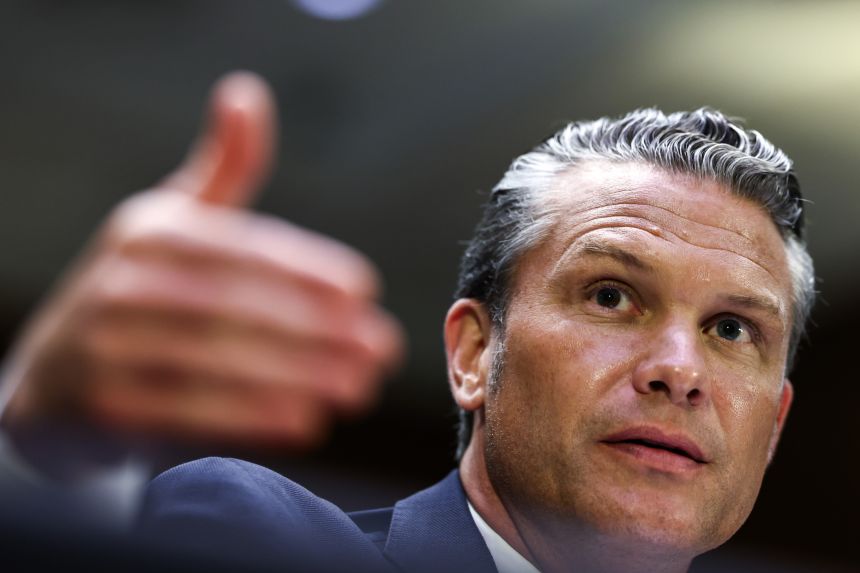
First, the administration claimed last year to have “obliterated” Iran’s capability to develop a nuclear weapon through military strikes on nuclear facilities. If this assertion is accurate, why did Trump initiate the conflict this year? If not, it implies that the US must remain on alert for potential military interventions to curb Iran’s nuclear ambitions.
Second, Hegseth’s statements also suggest a prolonged military presence in the region. After all, the Strait was navigable when the conflict commenced. Even if current US airstrikes are effective, they may necessitate ongoing vigilance and action to prevent missile and drone attacks on oil and gas vessels.
Some of Trump’s remarks on Tuesday further supported the notion that the conflict could extend indefinitely. He mentioned to reporters in the Oval Office that the upcoming midterm elections would not affect his military strategy. “I don’t see it as ‘Oh, we have an election coming up,’” he stated. This perspective could be detrimental for Republican candidates amidst a conflict that polls indicate is widely opposed by the public.
Later that day, Trump suggested that a prolonged conflict in Iran would not be significant historically. He compared the 18 US combat deaths in the Iran war to casualties in other recent military conflicts, including the 58,000 killed in Vietnam and the lower death tolls in Iraq and Afghanistan.
His comments struck some critics as lacking respect for the deceased. Trump is scheduled to attend a transfer ceremony at Dover Air Force Base on Wednesday for the remains of soldiers killed over the weekend.
The President is known for his unpredictable nature — thus, nothing is guaranteed. A sudden change in stance could be forthcoming, especially if fuel prices surge, global oil supplies diminish, and economic factors ignite political backlash.
Unlike at the beginning of the conflict, the administration is currently not establishing timelines measured in weeks for its conclusion and the return of troops.
Democrats assess their 2026 electoral appeal
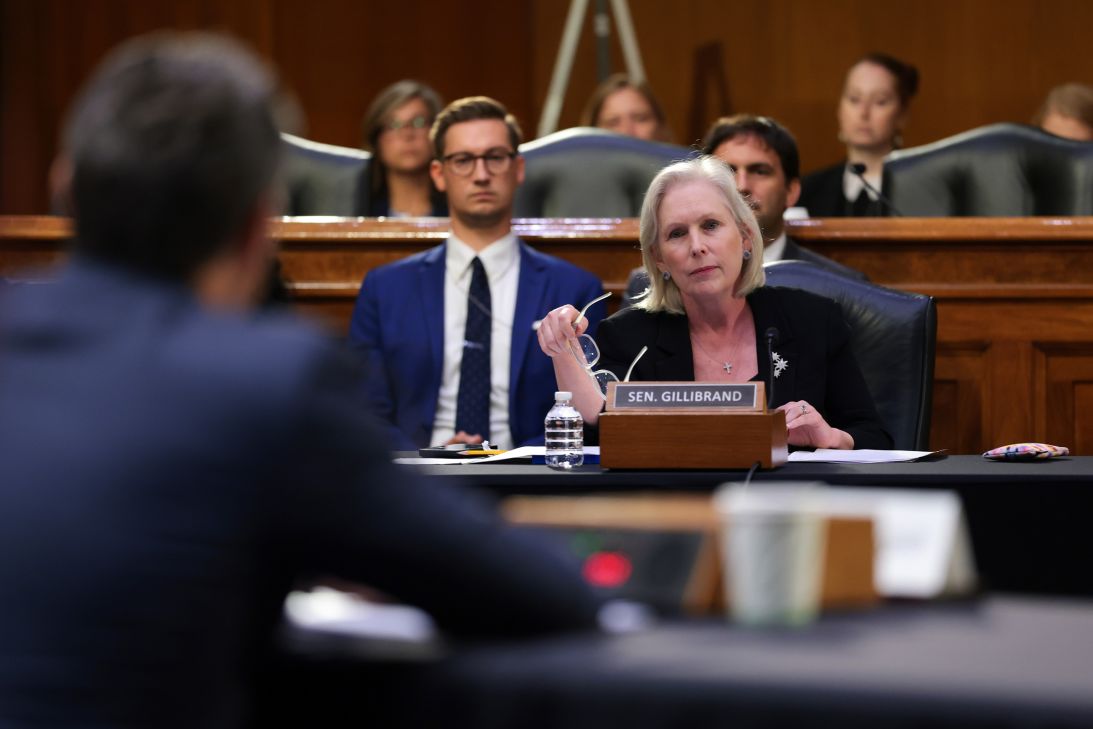
The hearing also evaluated the Democratic Party’s emerging message ahead of the midterm elections. The connection between a highly unpopular war and the cost-of-living crisis affecting millions was effectively articulated by New York Senator Kirsten Gillibrand.
“Secretary Hegseth, you are asking for billions in additional funding for a war that you claimed would be brief, yet the president has no strategy or capability to conclude it,” Gillibrand stated. “Voters are facing rising grocery and fuel prices, and this unpopular war abroad takes precedence for this administration over their ability to feed their families and ensure healthcare for their loved ones.”
Hegseth contended that politics involves trade-offs and that preventing a nuclear Iran is a long-term cost-saving measure. He made a valid point in both geopolitical and financial contexts. However, using immediate economic hardships to justify distant threats is unlikely to aid GOP candidates.
Despite the administration’s ambiguous and sometimes troubling messaging, the majority of Republicans present supported Hegseth and endorsed the funding request.
The hearing did not devolve into the typical chaotic shouting match that often characterizes congressional sessions — at least until the final inquiries, when Michigan Senator Gary Peters criticized Hegseth as a “failure,” prompting a defensive response from the Secretary, who labeled Democratic behavior as “cowardly.”
Senate Appropriations Chair Susan Collins fostered a respectful atmosphere. However, Collins, being the most vulnerable Republican senator in the upcoming elections, would likely not welcome indications that the conflict is far from resolution.
The perception that the administration may be lacking an exit strategy — because there isn’t one — could have political consequences that extend well beyond her position in Maine, potentially influencing who controls the Senate in the coming year.
