
Hamilton, Montana
The Trump administration has increased the number of arrests and publicly criticized federal scientists involved in virus research amid one of the most severe Ebola outbreaks in history.
In June, Vincent Munster, a researcher specializing in infectious diseases at the National Institutes of Health, faced charges for allegedly bringing biological samples into the U.S. without the required documentation. Shortly thereafter, Senator Rand Paul (R-Ky.) summoned Munster’s previous supervisor, Anthony Fauci, to testify before a Senate committee, accusing him of lying to Congress regarding the origins of the covid-19 pandemic. Earlier this spring, the FBI apprehended a former aide to Fauci, while federal authorities prohibited a virus researcher from North Carolina from obtaining federal funds.
In these incidents, high-ranking U.S. officials and congressional members have endorsed unverified narratives suggesting that overconfident scientists have endangered public health by recklessly working with covid and other dangerous viruses, particularly in China.
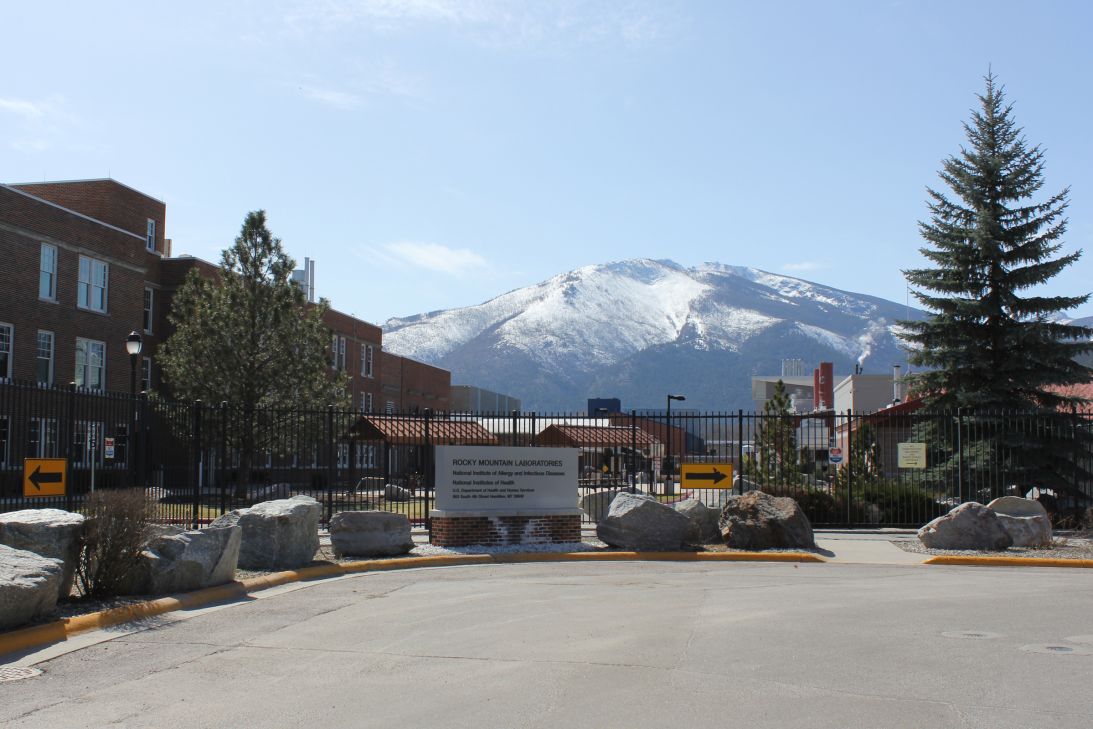
Conservative organizations and social media influencers have promoted this perspective through a barrage of covid conspiracy theories, fears of bioterrorism, and anti-immigration rhetoric. The recent allegations have reignited long-standing distrust among residents of this working-class mountain community in Montana toward the high-security Rocky Mountain Laboratories where Munster is employed.
A dozen scientists consulted for this article remarked that any wrongdoing or mistakes attributed to Munster, who was transporting inactivated mpox vials for research, appeared to revolve around documentation issues and did not pose a public health risk. Nevertheless, some colleagues in Montana expressed that the alleged violations have stirred unnecessary controversy.
“This only serves as fuel for those who seek to hinder this critical research,” commented Kim Hasenkrug, a scientist emeritus at the NIH who spent 31 years at Rocky Mountain Labs. “Even those who have previously placed their trust in us are now filled with doubt. How could it be otherwise?”
Scientists informed KFF Health News that reductions in U.S. foreign aid and research financing have led to significant financial shortfalls in combating the spread of Ebola and mpox outbreaks. “When the next pandemic arises and we require vaccines for protection, there’s a good chance China will be the first to develop them,” stated Kristian Andersen, an evolutionary biologist at Scripps Research, who co-authored studies that drew criticism from supporters of the lab leak theory regarding the origins of the covid pandemic.
Emily Hilliard, a representative from the Department of Health and Human Services, which oversees the NIH, stated that the federal government “is fully prepared to safeguard Americans and address emerging public health challenges.” She added that the Centers for Disease Control and Prevention has sent experts both domestically and internationally to tackle the Ebola situation.
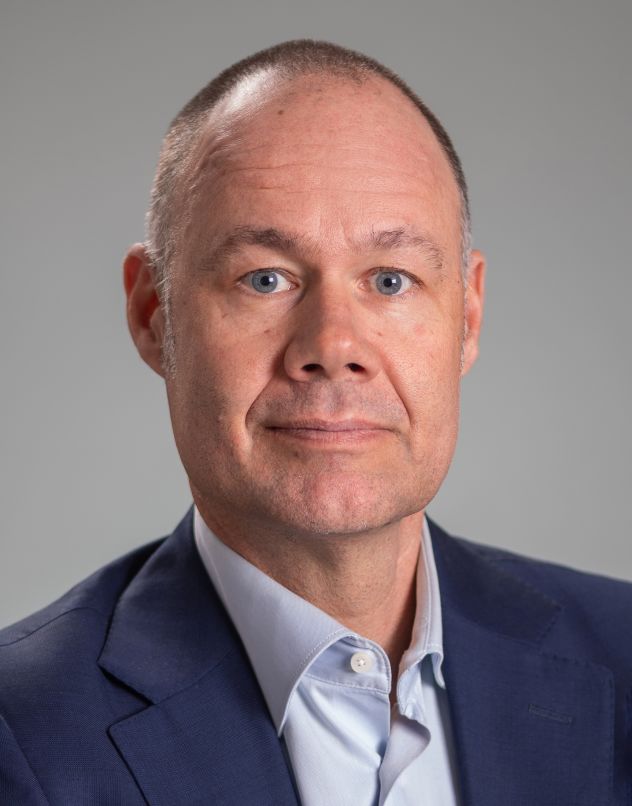
According to Andersen, scientists like Munster play a crucial role in identifying the origins of pandemic-causing viruses, whether they stem from bats, pigs, rats, or other animals. Stanley Perlman, a virologist from the University of Iowa and a longstanding member of the FDA’s vaccine advisory panel, stated, “He’s the individual who travels to Africa to collect samples of harmful viruses from infected individuals. He has performed many essential tasks effectively.”
Authorities apprehended Munster and Claude Kwe, a research fellow at Rocky Mountain Labs, on June 2, charging them with conspiracy to illegally import mpox into the United States and providing false information to border authorities. They were stopped on January 25 at the Detroit airport after returning from the Republic of Congo.
A news release detailing the charges indicated that FBI testing confirmed the viruses were inactivated — Munster assisted in creating the inactivation method — yet claimed that the scientists endangered the safety of Americans.
“These NIH specialists allegedly violated our laws by smuggling viral pathogens aboard a crowded commercial flight from the Republic of Congo. Let that sink in,” remarked Jerome Gorgon, U.S. attorney for the Eastern District of Michigan.
The criminal complaint states that Munster and Kwe misled customs officials by claiming that the mpox samples they brought back from Congo were intended for diagnostic purposes. However, several scientists informed KFF Health News that the samples were likely indeed meant for developing mpox diagnostic tests.
The complaint also notes that the scientists did not possess the necessary documentation. According to federal regulations, researchers must register and certify inactivated viruses.
“He is presumed innocent, and we will have to wait for future proceedings before making any comments,” said Benton Martin, Kwe’s federal community defender.
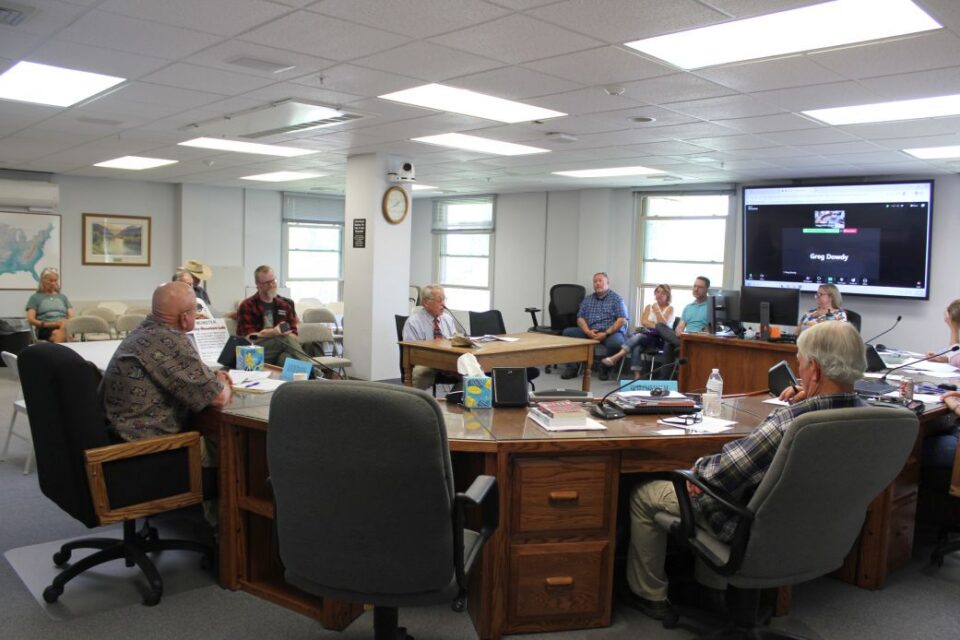
In Montana, Marshall Bloom, an associate director at Rocky Mountain Labs, informed the Ravalli County Board of Health during a July meeting that the scientists have been suspended and barred from campus while an internal NIH investigation proceeds. “These are serious allegations,” Bloom stated.
Transporting an inactivated virus on an airplane is not illegal or uncommon. If the samples were indeed inactive, “the risk is negligible,” explained Daniel Jernigan, who spent 26 years at the CDC and led its National Center for Emerging and Zoonotic Infectious Diseases until his retirement last August.
“However, it is essential to have the appropriate documentation available,” he added.
Jernigan recalled instances of reprimands for such errors but was not aware of any arrests occurring.
“Given the current climate,” Perlman noted, “it’s vital to ensure that you communicate with your institution to confirm that all regulations are followed.”
Munster’s attorney has not responded to several requests for interviews.
Distrustful Residents
Conservative politicians and those skeptical of the government’s response to covid have kept a close watch on Munster and Rocky Mountain Labs for years.
The facility is located in Hamilton, a rural town of 5,000 residents within Ravalli County, which supported President Donald Trump with 69% of its vote in 2024. The lab originated in the early 1900s with research on Rocky Mountain spotted fever, a condition that was previously unknown and lethal to ranchers and cattle.
Currently, it operates as a Biosafety Level 4 laboratory, one of only a few dozen in the world equipped with the highest safety measures for studying the most dangerous pathogens.
Munster and his viral ecology team are recognized as the “premier group for studying highly hazardous viruses” such as Middle East respiratory syndrome, Nipah, Ebola, and avian flu, noted zoologist Peter Daszak, who has faced scrutiny in recent years as well. Daszak stated that Munster “enters high-risk areas,” collects samples from infected individuals, and develops diagnostic tests that are crucial for outbreak assessment and containment.
Munster and his colleagues have contributed to research on the emergence of covid, its transmission, and its spread — research that has placed the lab in the spotlight amid warnings regarding the risks associated with biomedical research.
In April, the White Coat Waste Project, a self-described watchdog organization aimed at halting taxpayer-funded animal testing, funded billboards calling to “End Fauci’s Labs” in seven cities with NIH-affiliated labs, including Hamilton.
The following month, the same organization published information regarding the investigation into Munster, referencing an anonymous letter. This caught the attention of Laura Loomer, a far-right activist known for her loyalty to Trump, who shared the information with her 1.9 million followers on X.
“Fauci loyalists at @NIH and @HHSGov are about to unleash Ebola in America,” Loomer tweeted on May 17, questioning why Munster, who is Dutch, and Kwe, who is Cameroonian, were not detained or deported.
Just over a week later, Montana Republican U.S. Senator Tim Sheehy sent a letter to HHS requesting an investigation, asserting that the purported misconduct by the scientists could jeopardize national security.
Munster and Kwe were charged shortly thereafter. U.S. Representative Paul Gosar, a Republican from Arizona, in mid-July cited the charges as justification for shutting down the Hamilton laboratory, continuing his campaign to defund “Fauci-era programs.”
The arrests heightened local concerns regarding the facility’s operations.
“You cannot selectively adhere to regulations when handling this material,” County Commissioner Jeff Burrows stated during a June meeting. “While I acknowledge he is innocent until proven guilty, this is a significant matter.”
The Continued Blame on Fauci
About two weeks following the charges, outgoing Director of National Intelligence Tulsi Gabbard released declassified documents, asserting they demonstrated Fauci had misled Congress concerning NIH-funded research at the Wuhan Institute of Virology, which she claimed “triggered covid.” However, these documents do not present any new evidence indicating that the lab was responsible for the emergence of the covid virus. The majority, though not all, virologists believe that the most credible evidence suggests the virus transitioned from bats to other animals before infecting humans at a Wuhan market.
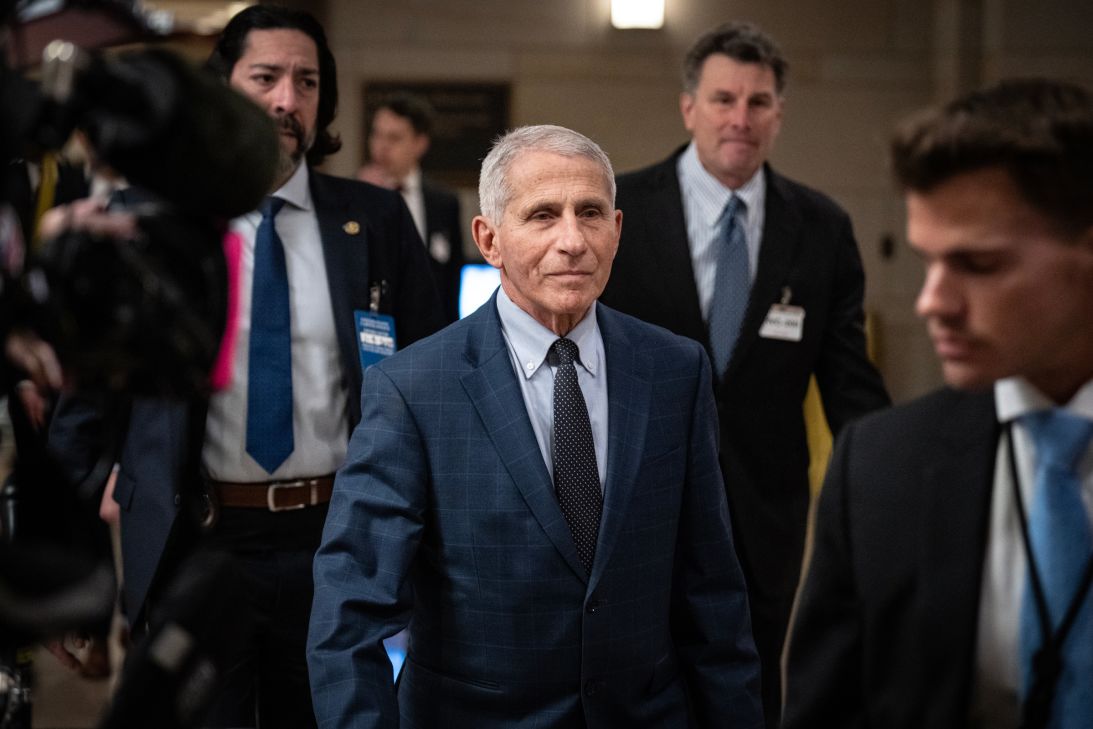
Politicians and other advocates of the lab-leak theory have intensified calls for accountability against Fauci, who is 85, and scientists funded by his institute. Fauci chose not to provide remarks for this article.
Shortly after Gabbard’s disclosure, Paul, who chairs the Senate Homeland Security and Governmental Affairs Committee, issued a subpoena for Fauci to appear before the committee.
Fauci was described as “the Dr. Frankenstein of our time” and “has the blood of millions on his hands,” by Peter Navarro, a senior advisor to Trump, on Fox Business on June 25. “You fool! You need to come clean, Fauci.”
The administration’s distrust of federal agencies and the scientific endeavors they support has resulted in extensive budget cuts and workforce reductions, particularly in the realm of pathogen research.
A May 2025 executive order halted research on many high-risk viruses, and HHS later terminated an $82 million, five-year program that funded research into emerging viruses at 10 labs worldwide. In late May this year, the White House proposed a regulation that would grant political appointees substantial authority over all federally sponsored scientific research.
Notable experts in the field of covid and scientists affiliated with Fauci have been summoned before congressional committees, barred from obtaining government funding, or arrested.
In April, heavily armed FBI agents conducted a raid on the Maryland residence of David Morens, a former aide to Fauci, forcing him to strip to his underwear and transporting him in handcuffs 40 miles to a federal courthouse, where he was briefly detained, according to Science magazine. Morens’ case remains open.
In May, HHS informed Ralph Baric, a coronavirus specialist from the University of North Carolina, that federal funding for his work was being suspended due to a “pattern of deception” in his communications with the NIH. Baric has denied any wrongdoing.
In many respects, the arrests of Munster and Kwe did not come as a surprise, remarked Philip Stewart, a recently retired researcher from Rocky Mountain Labs who focused on tick-borne diseases.
“There is a movement against science,” Stewart stated. “We are targets, and if it hadn’t been Vincent, it would have been someone else.”
According to surveys, a majority of Americans support the lab-leak theory, and several U.S. intelligence agencies appear to favor it as well. This makes it politically advantageous to target scientists engaged in such research, remarked Daszak, whose NIH-funded nonprofit collaborated with Chinese virologists in Wuhan and has been under scrutiny since April 2020, when Trump ordered funding for his organization to be cut.
Animal viruses transfer to humans in the wild hundreds of thousands of times each year, typically causing little to no illness, but occasionally leading to outbreaks. The Ebola virus responsible for the current epidemic in Africa may have originated from bats, which can carry it asymptomatically.
Medical professionals in the Democratic Republic of Congo lacked diagnostic tests until very recently. Munster, who has extensively studied Ebola, was barred from his laboratory shortly after the January detention.
“While we occupy ourselves with cutting pandemic preparedness funding and arresting scientists, locking them up in some cases,” Daszak remarked, “viruses continue to evolve.”
KFF Health News is a national newsroom dedicated to producing in-depth journalism on health issues and is a key initiative at KFF — an independent source for health policy research, polling, and journalism.
