
EDITOR’S NOTE: In Snap, we explore the significance of a single image, capturing narratives about the creation of both contemporary and historical photographs.
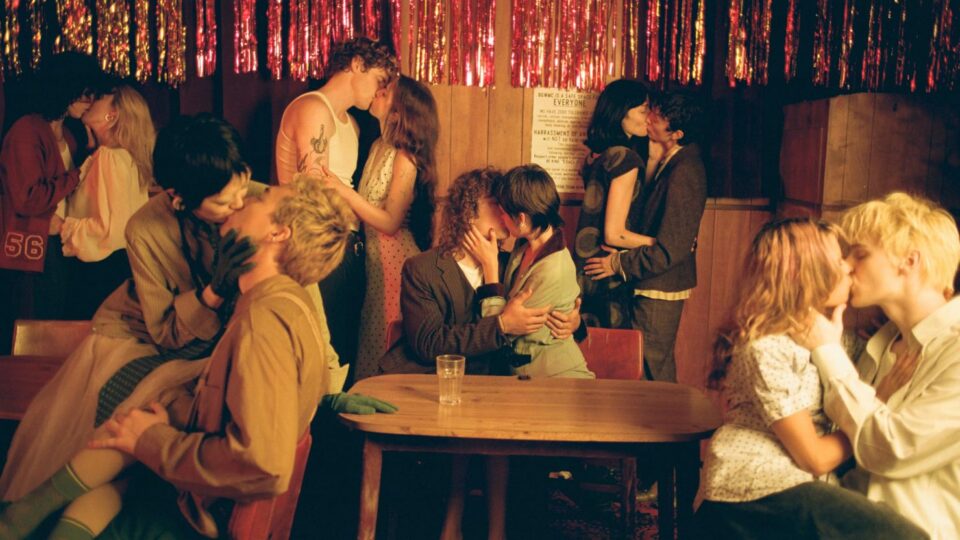
Under the shimmer of red tinsel and the soft lighting of a club, six pairs of young lovers embrace, each lost in their own moments. This intimate portrayal resembles a scene from a film, with the decade of the setting ambiguous, as they share closeness in the retro wooden backdrop.
For photographer Andrea Martí, who arranged the moment at a classic London nightlife venue, her intention was for her subjects to convey longing.
This photograph is part of her series titled “Everyone is Beautiful and No One is Horny,” which draws its name from a 2021 viral essay critiquing the desexualization of mainstream films featuring increasingly flawless protagonists.
“Media showcases beautiful bodies, yet there’s a notable absence of tension,” Martí expressed during a video interview. “There’s a lack of desire, yearning, or anything of that sort.”
She created this series last year while pursuing her degree at the University of the Arts London. In her investigations, she frequently referenced studies suggesting that Gen Z is engaging in sexual activity less often, is less inclined toward dating, and feels lonelier compared to earlier generations.
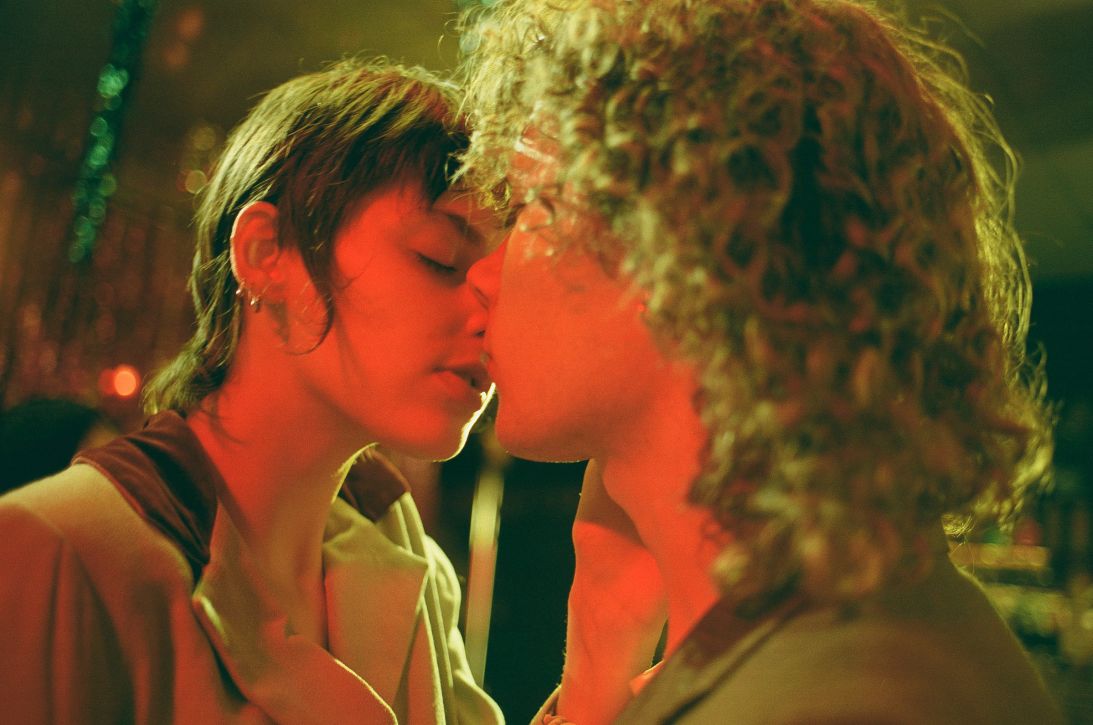
“I prefer not to make broad generalizations,” she stated. “Some communities may be more open when it comes to sexuality, but from my observations, there seems to be a prevailing sense of loneliness and difficulty in forming connections with others.”
She believes that a core problem is the constant pressure to optimize. “People are fixated on tracking their calories, looking fantastic, and achieving career success, leaving little room for sensuality,” she articulated. “This is a theme I often revisit in my work, which explores sensualism as a philosophy.”
At the Bethnal Green Working Men’s Club, a former male social club that now hosts drag shows, burlesque, and disco, she instructed all the couples involved to kiss. She found her subjects through casting director Melisa Ozcolak after her own attempts to recruit participants via flyers posted at the university and online fell short. Since they were real couples, the existing bond and familiarity enhanced the authenticity of the shoot. She had initially been dissuaded from using actors when only older men replied to her casting calls that outlined the day’s activities. Nevertheless, she encountered challenges, such as unexpected breakups among couples.
“I encouraged participants to come with their partners or casual relationships, but some canceled last minute or a couple of days prior because they had split up,” she recounted.
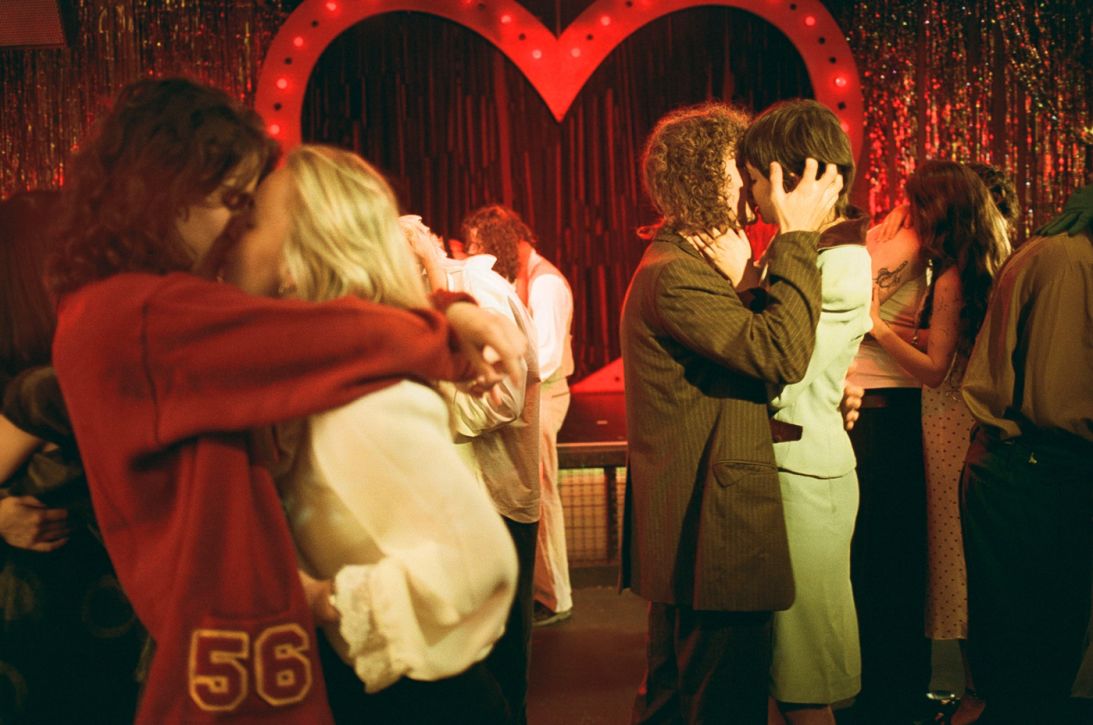
Over eight hours, she captured the couples who attended, finding them in stairwells, sharing kisses in doorways, and enveloped in passion under the red lighting. She described Bethnal Green as “a time capsule,” featuring worn tile floors, a stage adorned with a kitschy giant red heart, and walls decorated with party tinsel.
“It’s a bit grimy,” she chuckled. “I had no idea it had such a rich history, and it truly is an iconic venue.”
Martí’s photographs are infused with nostalgia, from her incorporation of 1960s fashion to her homage to Tom Wood’s iconic images of teenagers socializing in the 1980s, along with her mother’s stories of late-night outings.
“I recall my mom sharing how they would go out dancing, and at the end of the night, they would play slow songs for people to have a slow dance,” she reminisced. “I believe it was about recreating that experience.”
