
Dung Ngo, a design enthusiast and collector, possesses an impressive collection of over 10,000 cutlery items. His passion began 25 years ago when he reached the age of 30 and realized that the cutlery he had purchased from Target after college no longer represented his identity. He discovered a vintage 40-piece set in a shop for $400, which led him to spend a week poring over old design magazines until he identified it as Composition, crafted by the celebrated Finnish designer Tapio Wirkkala. Nowadays, a complete set from Wirkkala can command prices exceeding $3,600.
This initial find ignited a fervor in Ngo, who began acquiring piece after piece of vintage cutlery from eBay and antique shops, all while seeking to match the blurry images he discovered in design publications from the 1940s, 50s, and 60s. “I became hooked,” he shared.
This extensive collection, which is stored outside of Ngo’s New York home, serves as the foundation for his upcoming book, “Knife Fork Spoon: Modernist Cutlery 1900–2025,” set to be released in August. The 600-page exploration of notable flatware is complemented by a recently launched exhibit at the Denver Art Museum, showcasing over 150 designs organized chronologically by themes such as airlines, children, and travel.
Both the book and the exhibit chart a timeline of 125 years in flatware design. However, Ngo notes, “I thought, that’s not the full story.” As the editor-in-chief of the architecture and design publication AUGUST, he expressed his desire to contribute to the future of this category in a tangible way, rather than merely documenting it.
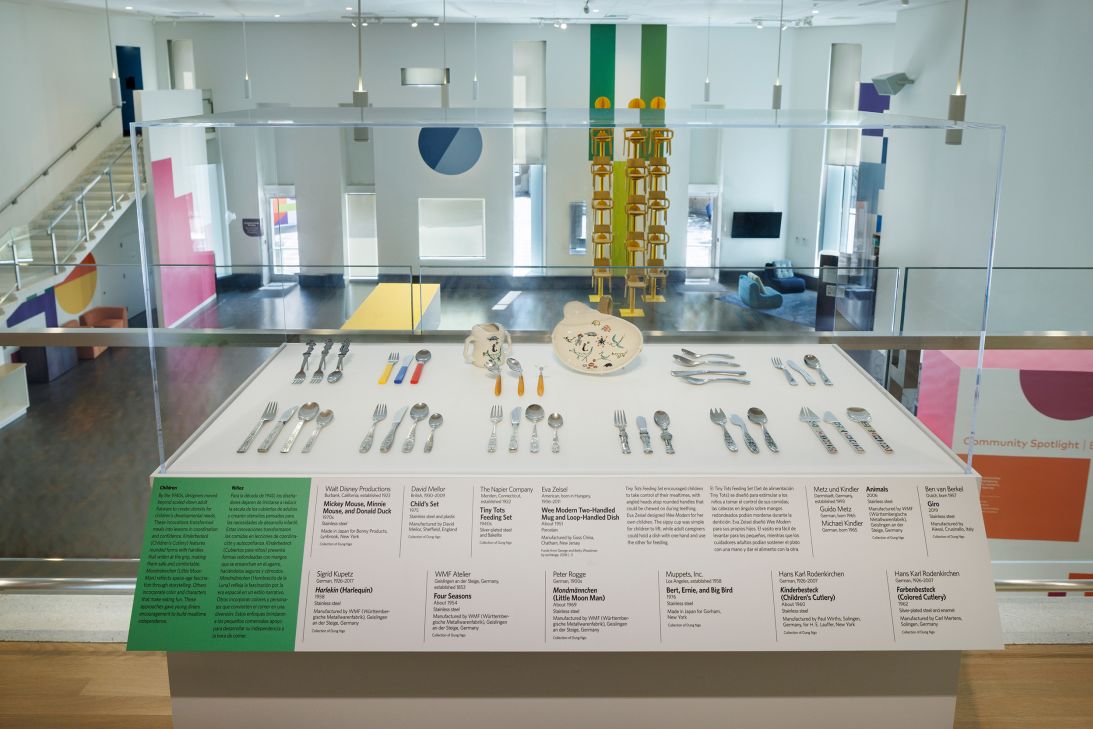
Ngo’s investigations revealed a significant issue: modern cutlery design has seen minimal evolution over the past 150 years. “We initiate production with a flat metal sheet, then we manipulate it,” he explained, noting that while it can achieve some three-dimensionality, it seldom reaches a high level of sculptural design.
Another challenge is the dwindling craft traditions behind this production. During his research in Solingen, Germany, a historical center for cutlery making, Ngo discovered that very few manufacturers remain. A visit to the workshop of influential designer David Mellor in Sheffield, known as the “Steel City” due to its historical ties to steel and cutlery production, revealed a similar situation. “It’s nearly all gone,” Ngo remarked. “That was heartbreaking.”
Cutting edge design
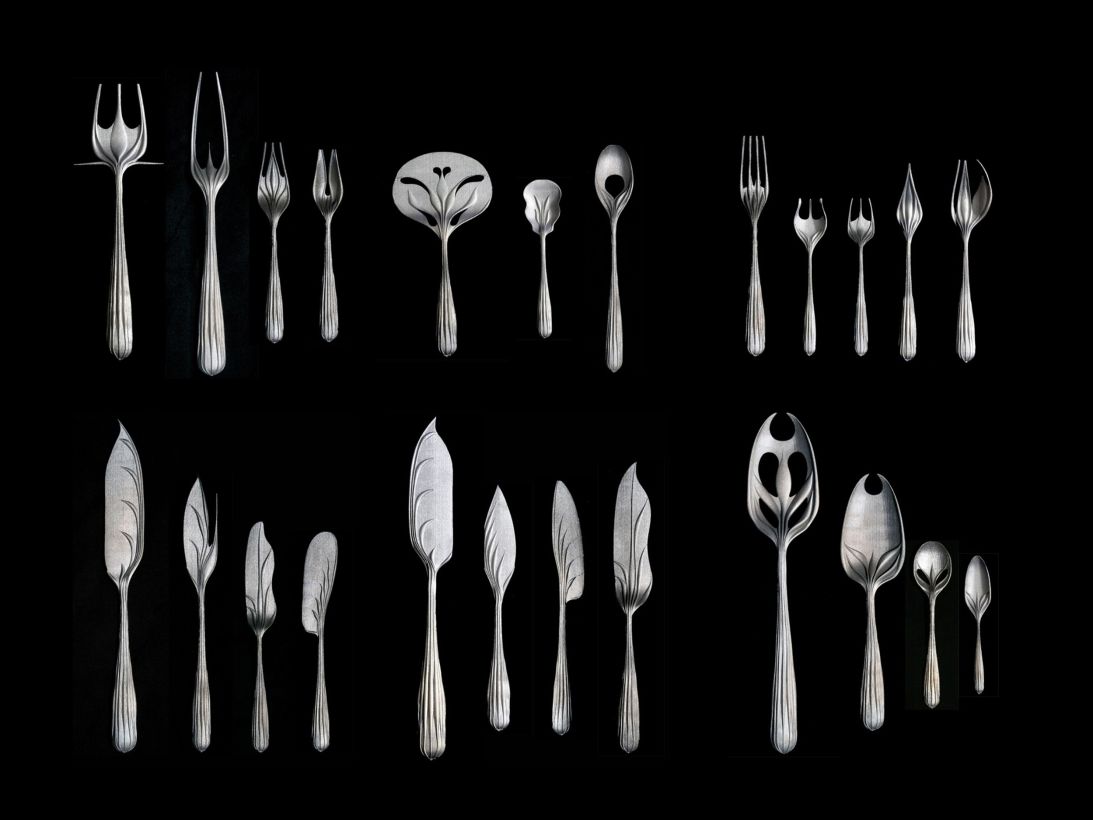
Considering the future of cutlery production, Ngo found inspiration in a 3D-printed metal cutlery set that he featured in his book, designed by architect Greg Lynn for Alessi in 2007. At the time, it was a costly experiment, priced between $10,000 and $20,000 per set, with only a few produced. “I reached out to Greg and asked, ‘Can I revive your design for production?’ He replied, ‘Absolutely. Now is the right time – twenty years later is perfect.’”
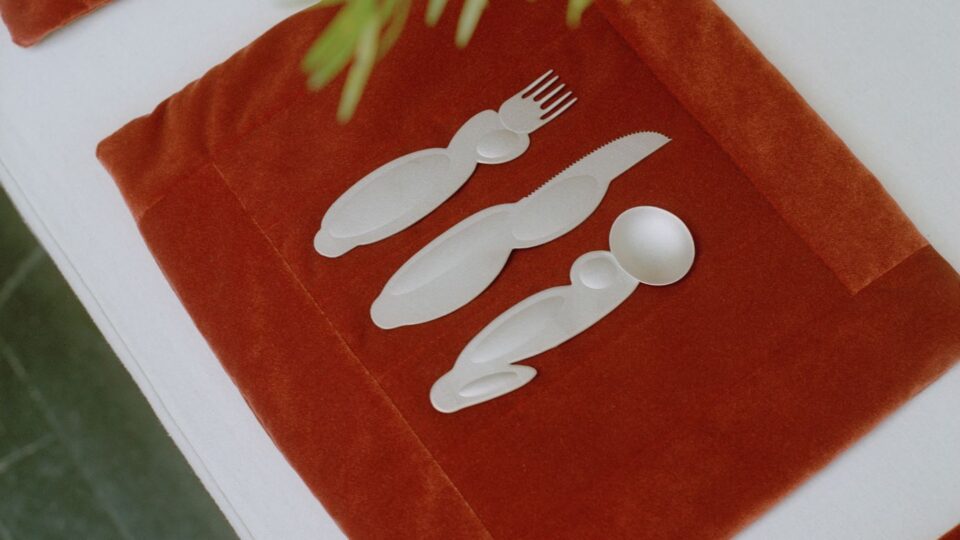
Ngo invited eleven international designers to envision new possibilities for cutlery, adhering to three core principles: make it personal, infuse cultural elements, and create something uniquely possible through 3D printing with sintered steel (crafted from compressed steel powder). He encouraged the designers to prioritize creativity over practicality, stating, “You can buy functional pieces anywhere for fifty bucks.” This collaborative effort culminated in the exhibition Knife, Fork, Spoon 3.0, which Ngo curated and unveiled at the Los Angeles gallery Marta during the recent 3 Days of Design in Copenhagen.
Ngo made a point to include not only female designers, who have been historically underrepresented in cutlery design, but also those who used their designs to adapt traditional Western cutlery to various cultures. For example, the Korean designer Minjae Kim created a knife, fork, and spoon set, accompanied by chopsticks. Meanwhile, the Nigerian designer Nifemi Marcus-Bello designed a bowl printed in resin, alongside his distinctively shaped cutlery. He described that in Nigeria, diners are asked whether they prefer to eat with a fork and spoon or using their hands, which is the customary method. If they choose the latter, they are provided with a bowl of water for hand cleansing, an integral part of the dining ritual.
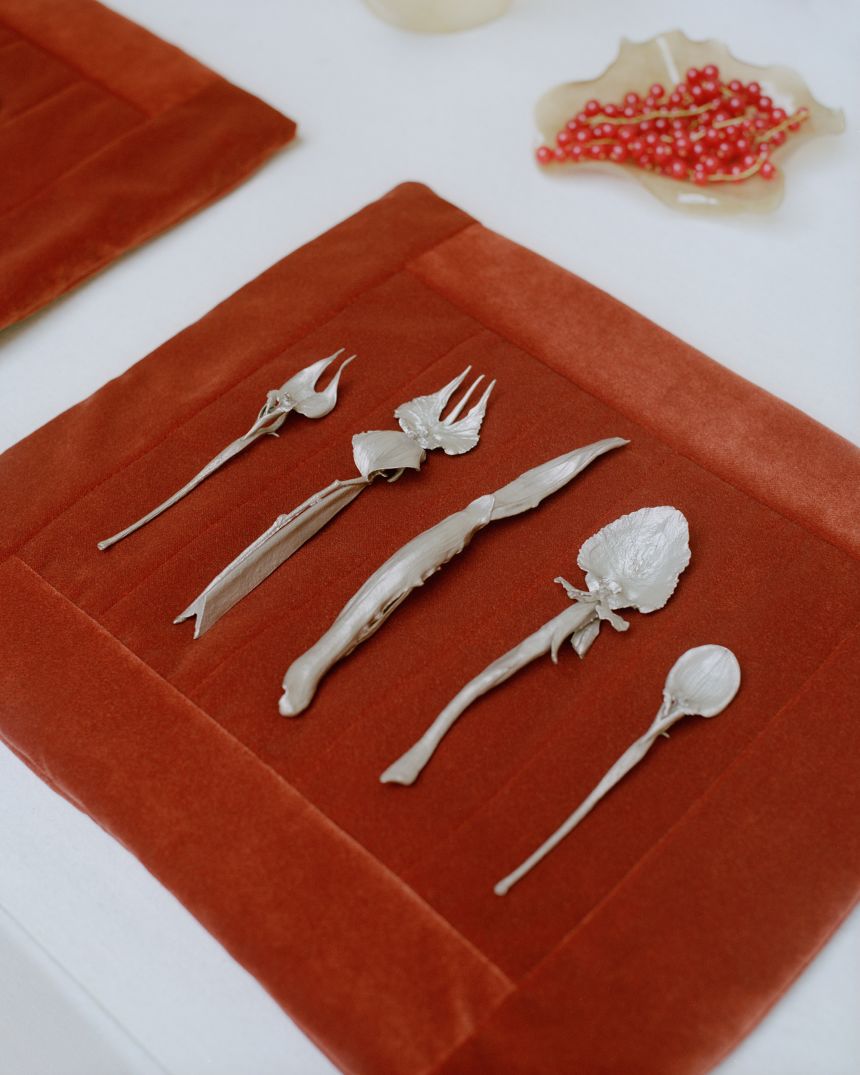
Ngo highlights Polish botanical designer Marcin Rusak’s creation as one that particularly fulfilled the brief. Rusak spent months presenting Ngo with flat, organic-inspired designs until he found inspiration from his grandfather, a renowned orchid breeder. “In some ways, orchids are my first learned visual language,” he stated. The outcome is a cutlery set resembling a blooming flower.
A fork in the road
The technology behind these creations is crucial, offering sculptural possibilities like Rusak’s pieces, while also being accessible for production. Ngo notes the prevalence of 3D printers that utilize resin or plastic: “Kids use them to print missing Lego pieces.” Although metal 3D printers are still costly, he believes this will evolve over time. “I don’t foresee metal printing becoming a household norm in our lifetime, but it will likely be easy to visit a local printing service, submit your design, and collect it the next day.”
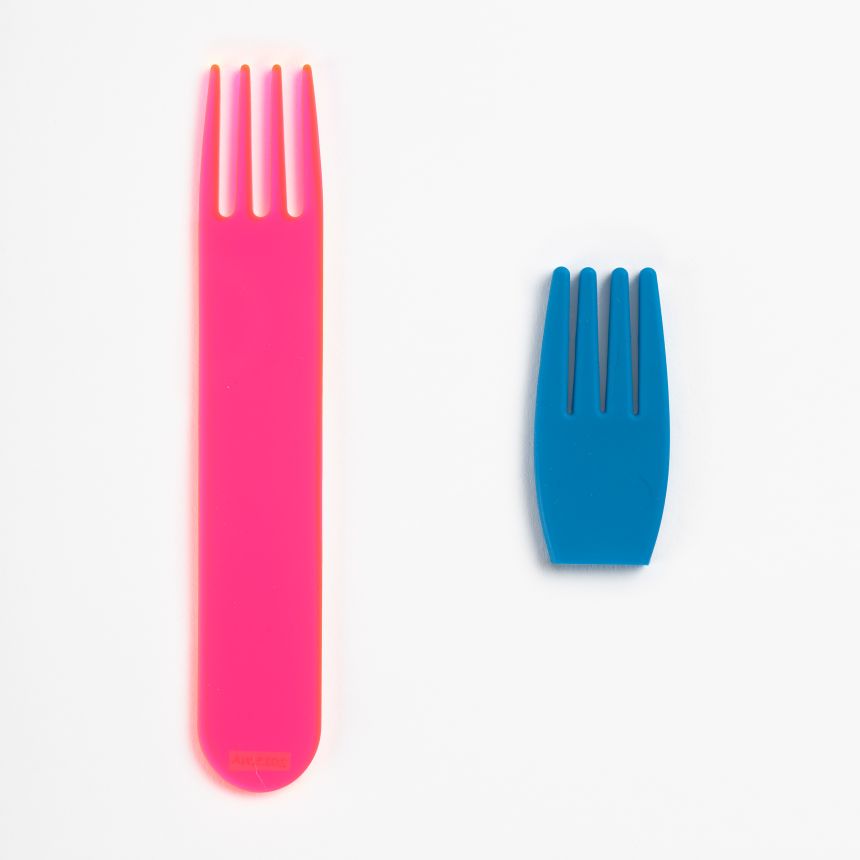
Ngo envisions that once accessible, cutlery design will advance significantly. He highlights two categories that have traditionally been overlooked in design history: children’s cutlery and adaptive cutlery for individuals with limited hand dexterity, both of which are addressed in his book. “If someone has a specific health condition that influences their hand movements, you could 3D print a utensil tailored to their needs. Or you can create smaller sets for children,” Ngo explained. The cost remains the same per item, regardless of the number produced, “allowing alterations for personalization at no extra cost. It’s vital to me that quality design is accessible to all segments of society.”
Nevertheless, he firmly believes that the role of the designer will remain irreplaceable, even in the age of 3D printing. “Design will always originate from us. The decisions will always be ours. This technology is merely a tool at our disposal.”
