
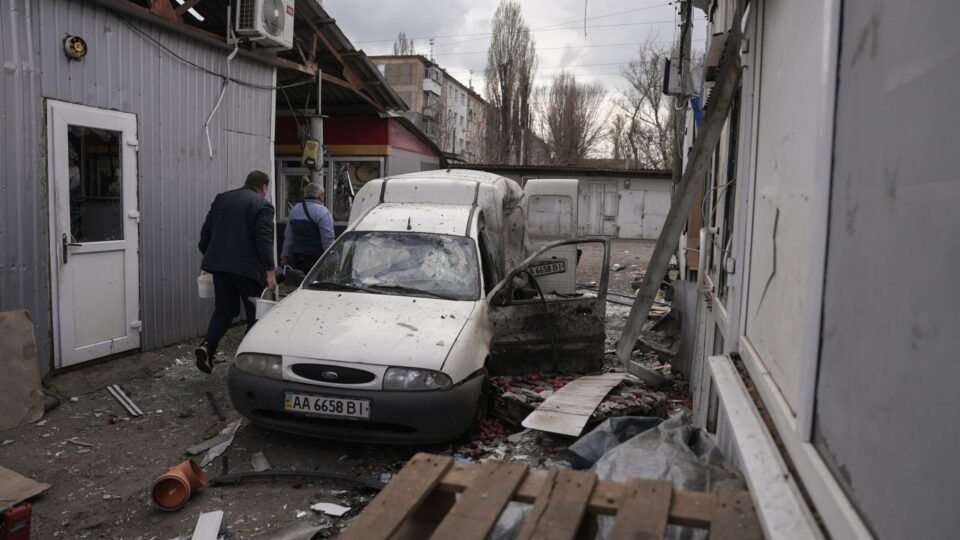
Nikopol, situated in southern Ukraine, seldom garners media attention, often eclipsed by the dangers posed to the Zaporizhzhia Nuclear Power Plant located just across the river. However, this city, which lies on the frontline of Russia’s extensive invasion, has reportedly faced daily assaults since the onset of the conflict, according to local officials.
The city’s location, merely two miles from Russian military forces on the opposite bank of the Dnipro River, means that local residents are at an increased risk from short-range Russian drone strikes.
“We’ve become somewhat used to the danger, yet the feeling of anxiety is ever-present,” remarked Oleksandr Varytsev, a local poet and charity organizer who provides hot meals for the elderly and disabled. “It’s very frightening – and if I feel this way, just imagine how our older community members feel when they visit our volunteer center.”
Disturbing footage shared by officials in June depicted a small Russian drone targeting an elderly woman in a wheelchair, leading to the deaths of three individuals, including the 87-year-old woman and her son. Additionally, in April, another drone strike resulted in the deaths of four people on a city bus.
These instances are just two among many involving Russian FPV (first-person view) drones targeting civilians rather than military installations, a trend also observed in frontline areas like Kherson and Kramatorsk. Despite contrary evidence, Russia continues to assert that it is striking Ukrainian military threats in Nikopol.
Varytsev notes that in recent times, sightings of drones in Nikopol have surged from two or three per day to approximately three each hour, both day and night.


The ongoing drone threat has compelled residents to alter their daily routines to avoid becoming victims of what they refer to as Russia’s “human safari.” They refrain from lingering in public areas such as bus stops; schools and kindergartens have been shut down, and public services like the Ukrainian national postal service and city buses are frequently suspended.
“People are hesitant to walk the streets, yet they are adapting to this new reality,” Varytsev stated. “We are constantly vigilant, no longer looking down at our feet.”
Prior to the large-scale invasion, Nikopol was home to roughly 100,000 residents and was primarily recognized for its strawberries supplied to the Ukrainian market. Currently, local authorities estimate that about half of the population has fled.
“The city is visibly emptying. The circumstances are perilous, with increasing attacks every day,” remarked Oleksii Kirillov, a freight transportation worker in Nikopol for over twenty years. Since the conflict began, he has prioritized facilitating evacuations over his transportation business.
Over the past four years, he has learned to differentiate between combat drones and those used for reconnaissance. While the fear has diminished somewhat, it has never fully dissipated. “Only a fool would not be afraid.”
Innovations in Anti-drone Measures
Nikopol is increasingly being outfitted with overhead fishing nets designed to ensnare FPV drones – a new norm across many frontline cities, including Kherson and Kramatorsk. Residents are working to expand these nets from covering roads to also include sidewalks, enhancing safety for pedestrians.
The threat posed by drones has sparked additional innovations, such as a city-wide alert app that informs citizens of incoming drones. Various companies and emergency personnel have also received drone detection devices known as “Chuykas.”
Specialists suggest that these relatively simple handheld detection devices, which emit a beep when a threat is detected, can be effective for tracking drones that function on analog radio frequencies, but they are unable to detect drones operating on predetermined paths, utilizing fiber-optic cables, or employing digital signals.
“It’s better than nothing, but it’s not a foolproof solution,” stated Carmine Clemente, a radar systems professor at the University of Strathclyde in Scotland. “It can provide you with a couple of minutes to get off the bus and find a safe place to hide.”
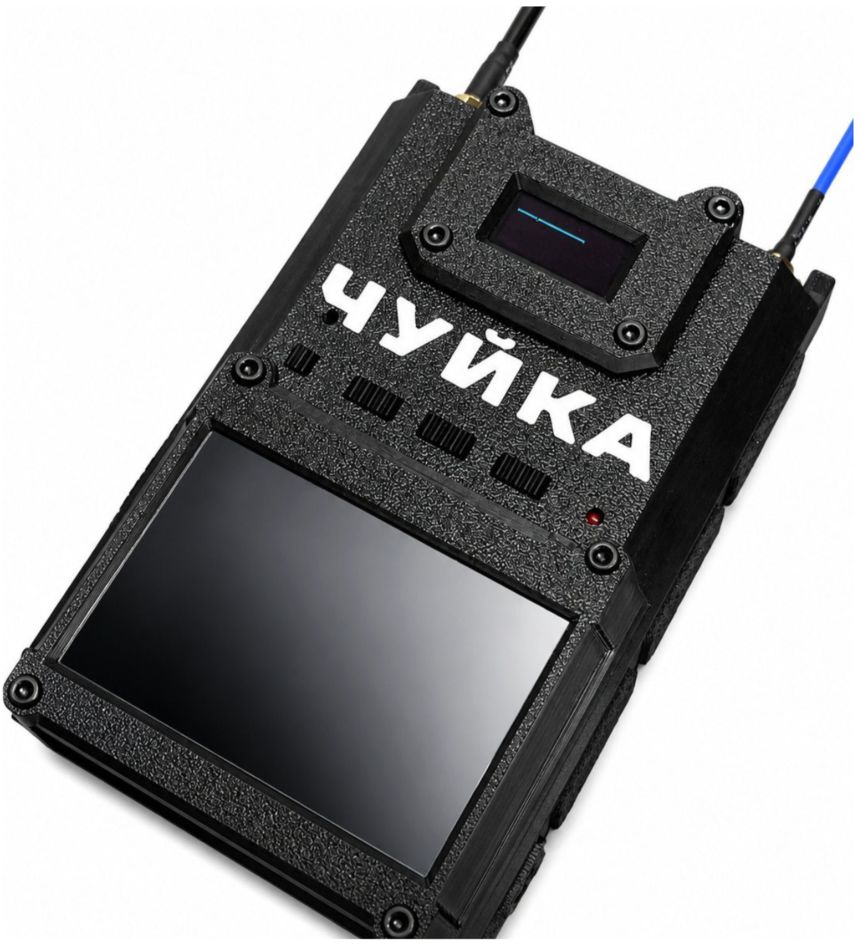
These detection devices, created by the Ukrainian firm BlueBird Tech, are being promoted more for civilian use than military applications, as noted by Kateryna Bondar, a senior fellow at the Center for Strategic and International Studies (CSIS) based in Washington.
These devices have been adopted in frontline regions by bus companies, drivers, emergency responders, and medics, as well as military personnel, according to her.
“Every civilian is at risk because, unfortunately, Russians utilize these regions to train drone operators or to conduct psychological operations as they hunt individuals,” stated Bondar, who specializes in defense innovations and has previously advised the Ukrainian government.
Mykola Koshelev, owner of a transportation company in Nikopol, mentioned that the detection devices are costly—around $500 each—and challenging for drivers to manage independently. As a result, his company has opted for an app called Zello, developed by a private firm, which alerts locals about nearby Russian drones.
“Drones are present daily, particularly in the mornings from 7 to 9 a.m. when they appear in swarms,” he explained. “When they get too close, drivers stop the bus, allowing passengers to disembark and move away.” In areas with no internet access, bus operators now rely on walkie-talkies to communicate drone locations.
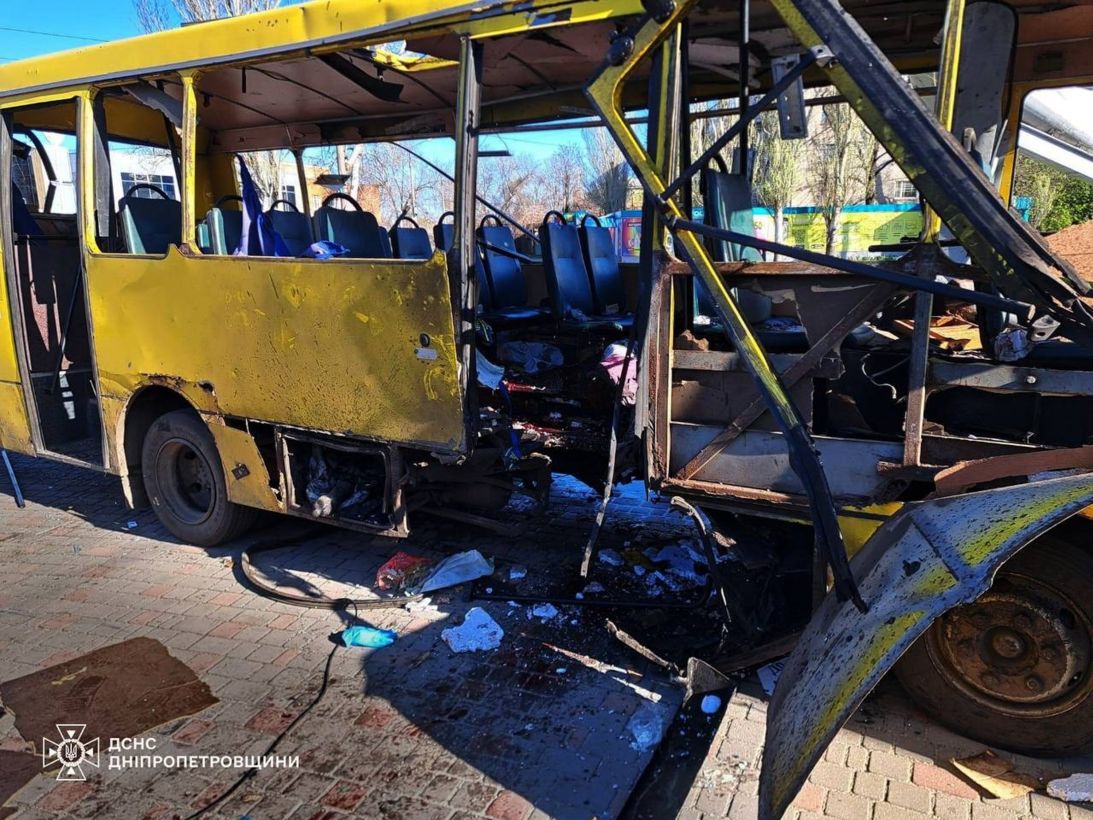
“Our only means of ensuring safety is through vigilance,” Koshelev stated, emphasizing that drivers often hesitate to report to work as public transportation becomes a frequent target. “I’ve been in this industry for as long as I can remember, and I never envisioned such a scenario. While overall passenger numbers have declined, people have grown to trust the drivers more and have become friendlier.”
The local radio station, RadioNikopol, has incorporated a feature in its app that allows individuals to promptly report any drone sightings. The announcer interrupts music broadcasts whenever new information about a drone threat is available. One song was interrupted three times while USdaily was tuned in.
‘It’s as if they’re hunting us down’
Across the country, train passengers are now often required to evacuate if drones are spotted nearby. Authorities instruct civilians to disperse in various directions from the halted train to minimize the chances of mass casualties.
Since the beginning of the full-scale invasion in 2022, Ukrainian Railways has faced over 5,000 attacks, as reported by local authorities.
“The conditions on the railways have significantly worsened over the past year,” locomotive driver Igor Zachepilov told USdaily. “It feels like they’re trying to hunt us down, targeting both freight and passenger trains.”
Zachepilov shared that protocols are continuously evolving and that his job has become more complex due to frequent power outages affecting the overhead line system and ongoing evacuations. Civilians often find themselves fleeing into open fields, deemed safer than remaining on the heavily targeted trains, sometimes waiting for hours without any shelter.
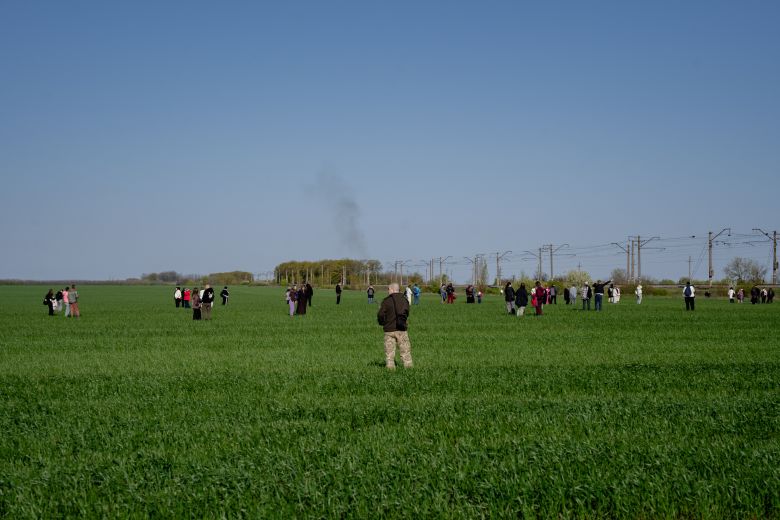
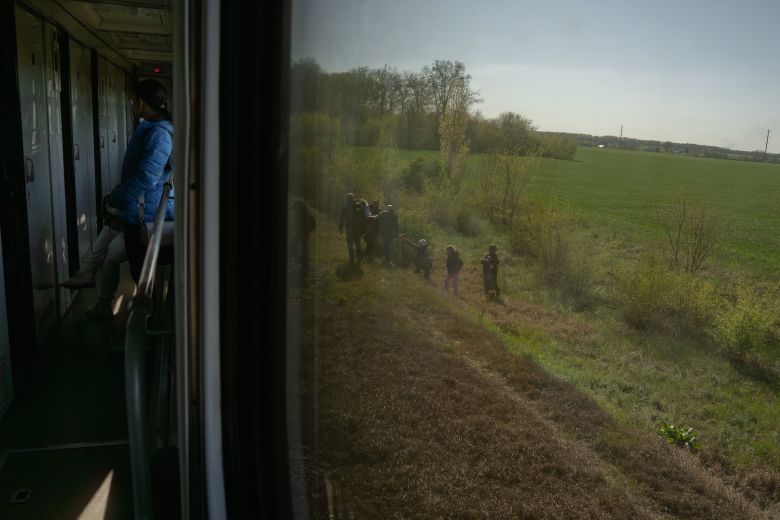
“On one occasion, we had to evacuate passengers. We were stationary at the station for an extended period—about two hours,” Zachepilov recounted, noting that part of his responsibility is to reassure passengers while grappling with his own fears. “We could hear explosions in the distance. Drones were buzzing overhead, being intercepted. It was quite frightening—you never know where to take cover.”
As drone warfare becomes increasingly commonplace, experts believe that the adaptations and lessons learned from cities like Nikopol could shape the future of defense strategies in the West. Ukraine’s military and civil society have emerged as leading experts among their Western allies, while Russia and Iran enhance their capabilities.
Clemente, the radar systems expert, emphasized that Ukrainian industry has become exceptionally adaptable in response to evolving threats. “You may require new solutions within six months of a new threat emerging,” he mentioned. “Timeliness is crucial.”
In Nikopol, freight business owner Kirillov shared that his family continues to adjust while remaining resilient.
“We once had a large circle of friends. Now, only a handful of us remain. My children spend no more than two hours each day playing outside,” he lamented.
However, he does not intend to leave at this point. “We might organize a fundraiser to purchase a drone detector to respond swiftly to threats. This is our home. We refuse to abandon it.”
