
EDITOR’S NOTE: A version of this feature appeared in the Big Style newsletter — a weekly exploration of the intersection between fashion and culture. Subscribe here.
Paris
My primary purpose for being in Paris this week was to witness the haute couture presentations, yet I repeatedly found myself encountering art. This is expected in a city where galleries and museums are just a stone’s throw away, but art also infused many of the fashion collections. The relationship between fashion and art has been longstanding, especially in haute couture, which closely resembles artistic expression. However, there seems to be an additional layer to this connection. In my view: amid economic challenges, the luxury sector is striving to engage with its clientele, and art and culture serve as reliable conversation starters.
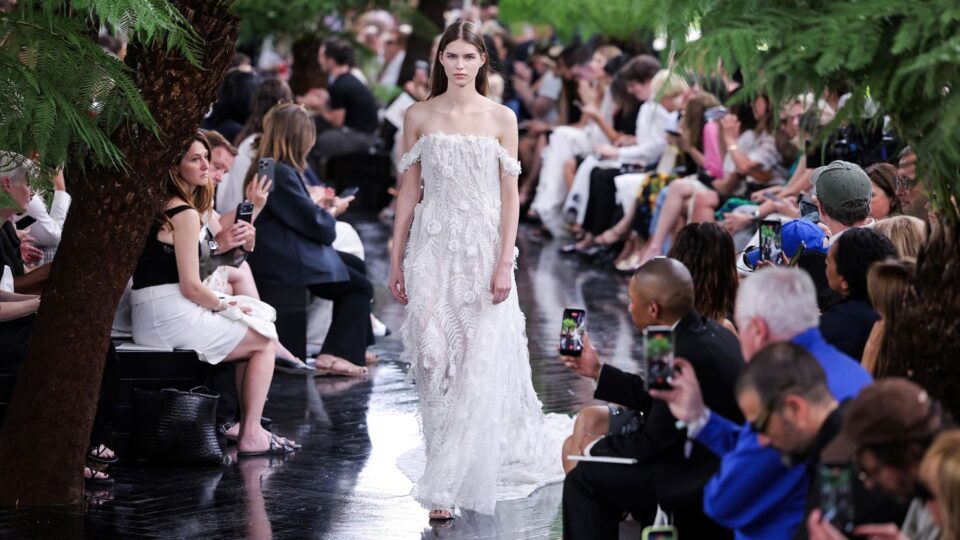
Even at Chanel — a brand that, under the creative direction of Matthieu Blazy, is experiencing no issues with sales — an artist named Joël Blanc was present at the front row, painting the show. Blazy’s collection was inspired by fairytales; the large, spiraling vines in the Grand Palais echoed “Jack and the Beanstalk,” setting the stage for a whimsical narrative conveyed through exquisitely crafted garments, featuring magical beans (and the occasional golden egg!). Highlights included delightful shoes, a charming row of buttons representing the transformation from ugly duckling to swan, and a black revenge dress adorned with wings that pursued the bridal gown.
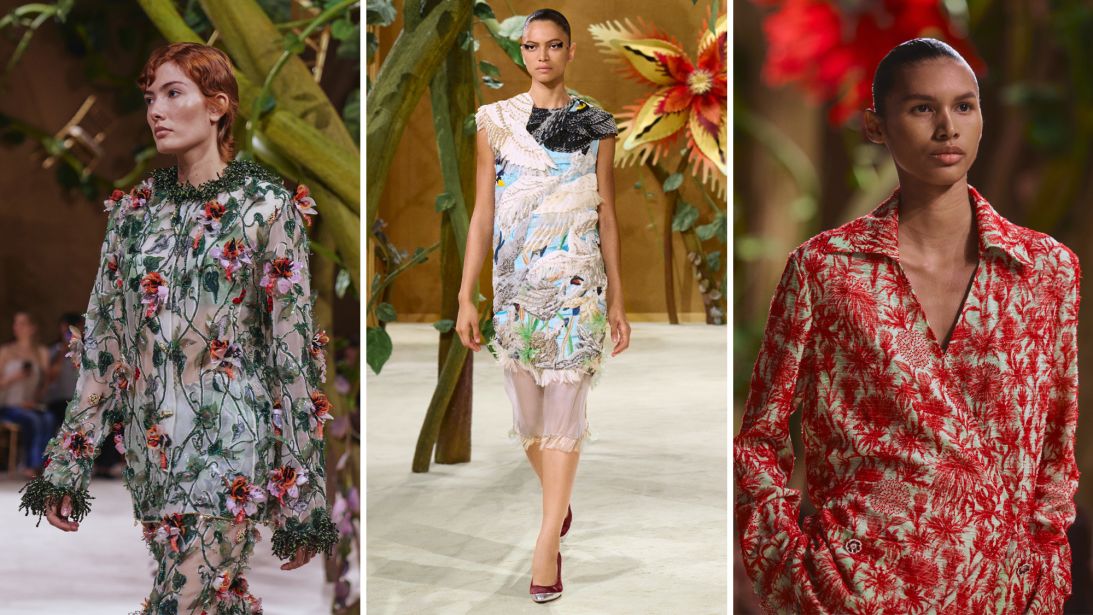
Jonathan Anderson is an esteemed art enthusiast, collector, and curator, and at Dior, he continues a tradition of designers with a similar passion. Christian Dior was once a gallery owner before embarking on his path as a couturier, and many of the brand’s creative heads have drawn inspiration from contemporary artists. For Anderson’s second couture collection, showcased in the Musée Rodin, he looked to the works of modern sculptor Lynda Benglis. At 84 years old, the American artist creates bold mixed media sculptures that have often challenged the conventional art world (traditionalists have been particularly disturbed by her use of latex and glitter). Benglis has exhibited globally, but Anderson was particularly captivated by her ties to Santa Fe, New Mexico, and Ahmedabad, Gujarat, India, which are reflected in the colors and textures present in the collection.
While I was seated on the grounds of the Musée Rodin, I couldn’t help but muse that it would have served as a stunning wedding location for a certain well-known pop star and her athletic partner, who, for reasons unknown, opted to celebrate their union in a dirty midtown stadium. Picture instead, exchanging vows in front of Rodin’s “The Kiss,” enjoying cocktails within the exquisite 18th-century Hôtel Biron. Yet, Anderson was merely responsible for the gown.
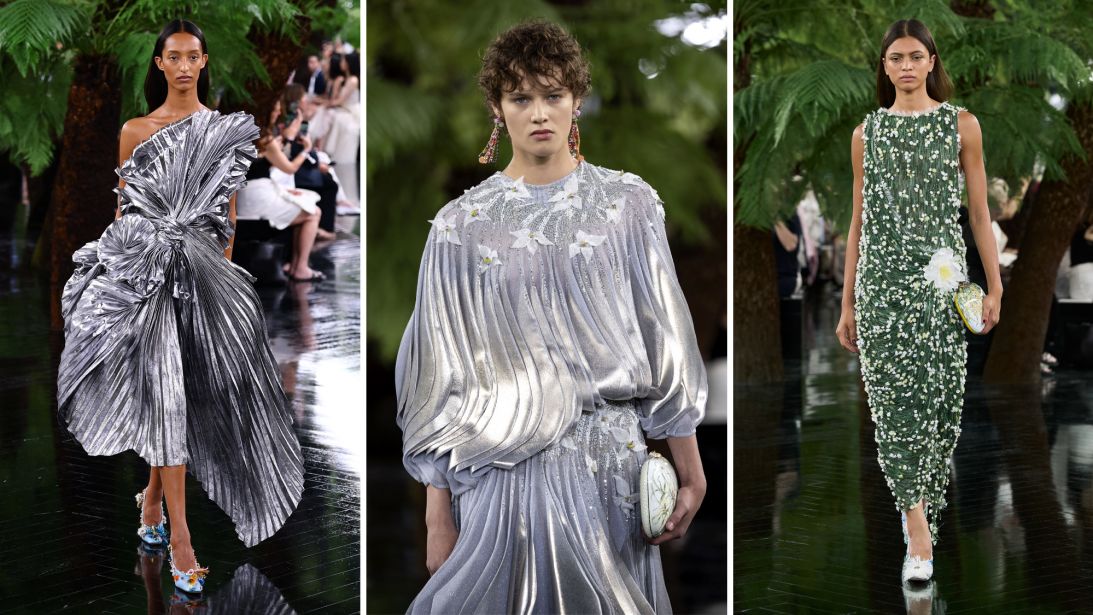
Although there were no direct references to art at Balenciaga, Pierpaolo Piccioli’s initial couture collection for the brand was undeniably artistic. Apart from being a master craftsman, the Italian designer is deeply emotional — much of his work aims to evoke feelings, such as joy or that familiar lump in your throat that art can inspire. “Couture encompasses more than just the dress,” he shared with a select group of journalists backstage. “It embodies a mindset.”
Beyond the runway shows, I visited the Azzedine Alaïa Foundation, a revered spot for fashion aficionados, and for good reason — it serves as a treasure trove of historical fashion, literature, and art. It also contains Alaïa’s studio, now sealed behind a circular glass enclosure, left untouched since his passing, thanks in large part to Carla Sozzani, a fashion patron and friend entrusted with his legacy and collection. At the end of my tour, I asked Sozzani to characterize Alaïa’s legacy, and she promptly replied, “integrity,” a quality that is hard-won in the fashion industry.
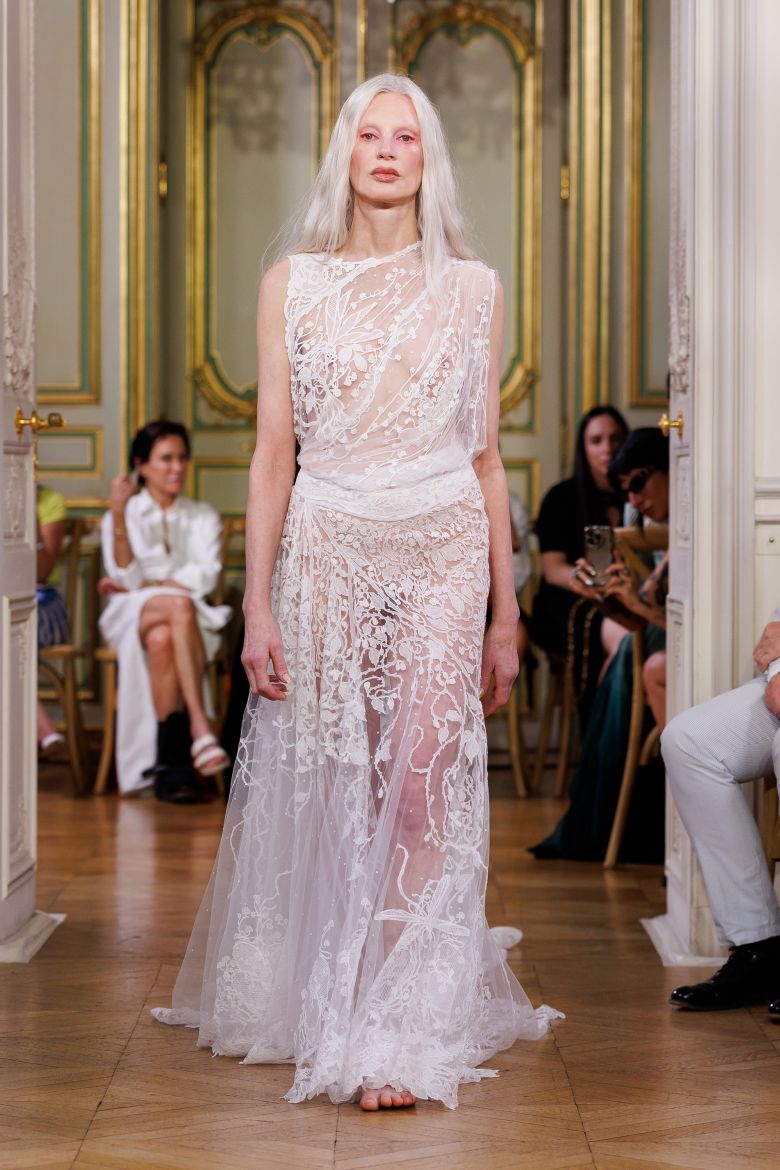
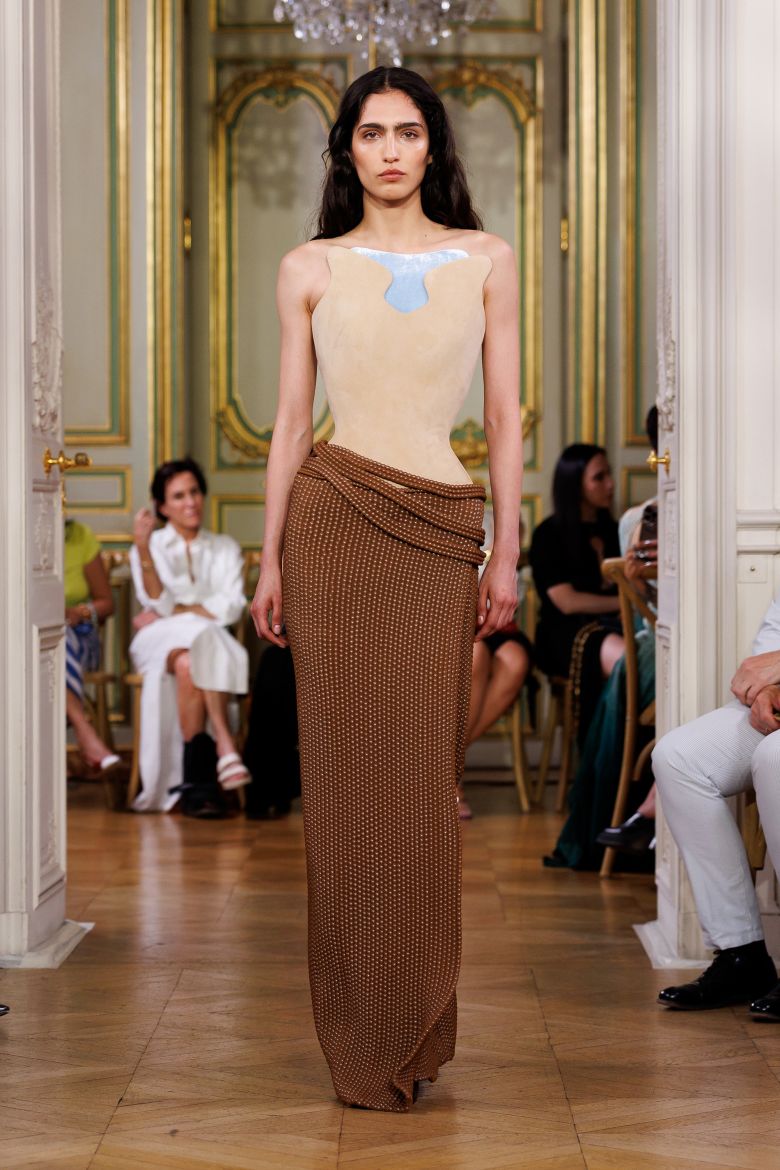
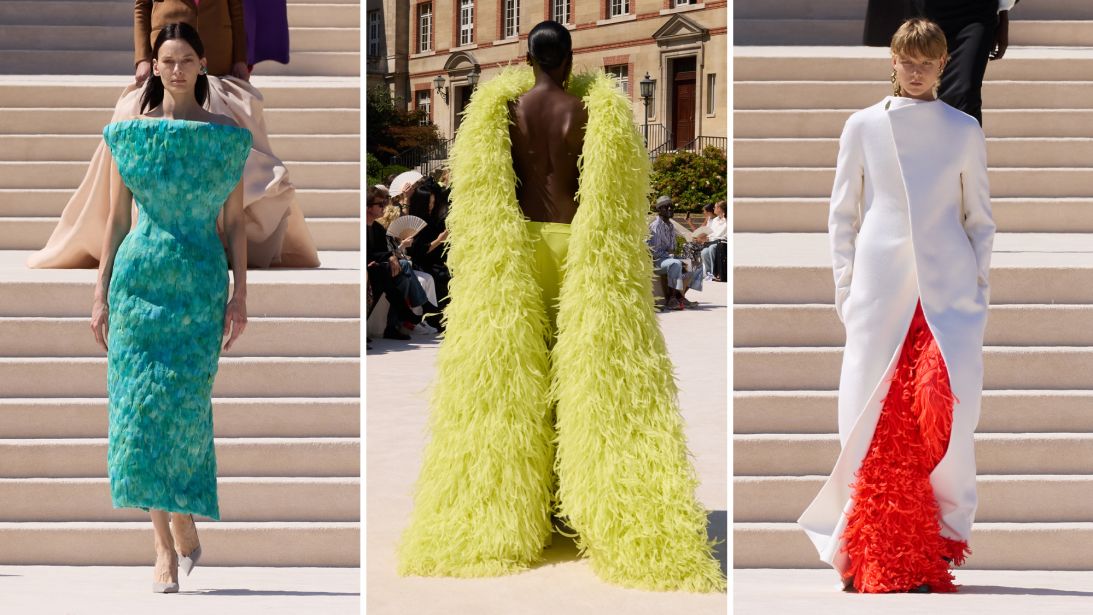
Speaking of integrity, Michael Stewart’s debut at Paris Couture created quite a stir in the fashion community. The Irish designer’s label, Standing Ground, has been gaining traction, buoyed by a burgeoning clientele seeking his contemporary approach to evening wear. Stewart appears to be forging his own path — introducing innovative concepts while subtly resisting some of the industry’s norms. His collection served as a reminder that fashion can embody art when designers refine techniques that convey a distinct perspective — standing out amidst the disarray of the industry. Speaking to a small group backstage, he remarked, “As designers, we shouldn’t feel compelled to abandon everything and create something entirely new every season.” He also discussed an “off-kilter” definition of beauty, which isn’t merely aesthetics but something with a little… something. In the show, models with unconventional looks and eerie gazes (thanks to contact lenses) wore striking beaded skirts and impossibly tight waists, resembling a mix of vampire allure and the wealthy yet naive spouses they might be targeting. Magnificent!
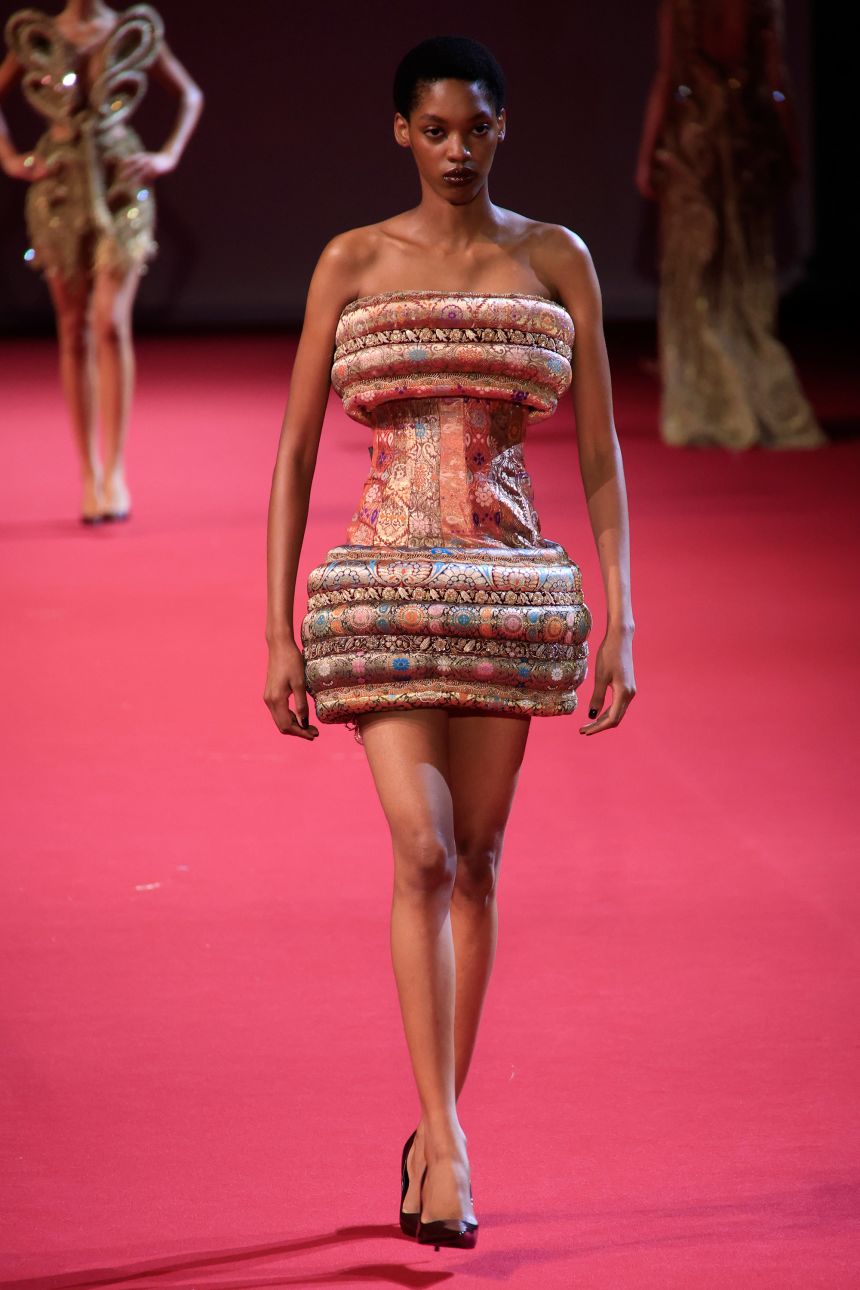
Rahul Mishra, who became the first Indian designer to showcase at Paris couture in 2020, referenced a famous Michelangelo quote in his show notes: “I saw the angel in the marble and carved until I set him free,” reminding us that this same philosophy can be traced back centuries in the Indian subcontinent, where traditional artisans turned stone into eternal muses, divine lovers, and deities — adorning temples with their sculptural creations (which Europeans would later attempt to plunder). Mishra’s collection appeared ancient and talismanic, with garments that often towering over the models’ shoulders. “The standards of couture are strict, but Indian craftsmanship has met, and often surpassed, these standards for centuries,” Isha Ambani, who sat in the front row, told me afterward.
I inquired about Manish Malhotra, who made his debut on the schedule this season (her company has investments in both brands, and he was the creative director for her brother’s lavish wedding last year). The designer draws inspiration from another art form: cinema (he began his creative journey in costume design for Bollywood hits). “Manish has been instrumental in shaping modern Indian glamour,” Ambani noted, while highlighting the “cinematic sensibility” he brings to fashion. The artistry in Malhotra’s creations is evident in both the craftsmanship and his storytelling ability. The night before the show, he expressed that he was less focused on presenting an Indian perspective on couture, but rather wanted to share his narrative, which begins with his mother. “On this global stage, I will certainly showcase my work, but I also aim to present myself,” he stated. The collection, affectionately named “Maa,” unfolds in four chapters, serving as a tribute to the woman who gave him life. The opening look features a series of 3D-printed busts depicting mother and child throughout time.
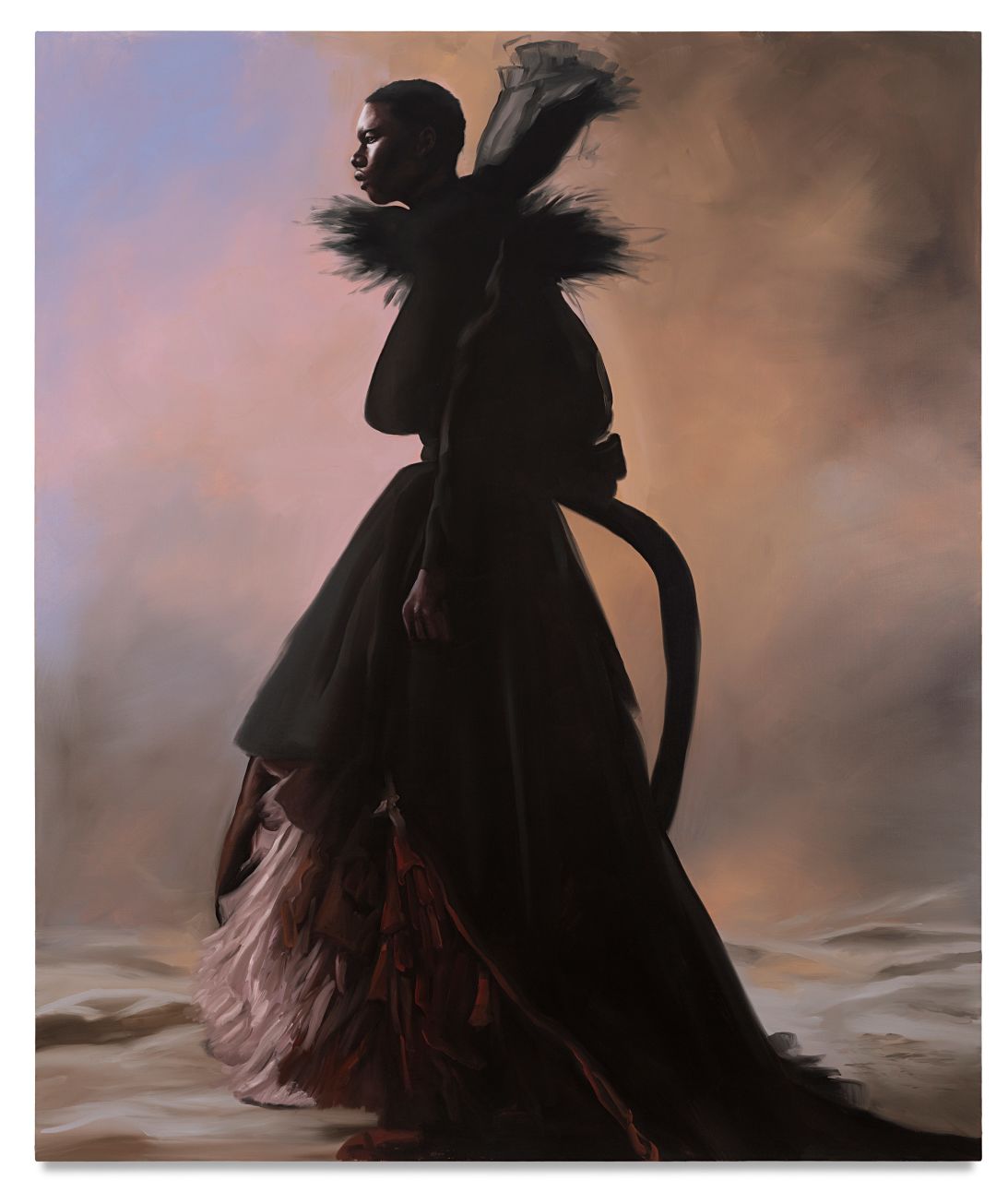
The Opera Gallery, which was formerly Versace’s flagship store in Paris, is currently showcasing the works of Brazilian painter Gustavo Nazareno, who has a deep passion for fashion. Speaking from São Paulo, Nazareno recounted how, as a child, he would escape to the library to read about Renaissance art. He later discovered Irving Penn, which he described as a transformative moment in his life. “I spent countless days studying photographs. I trained my eye,” he remarked. This independent learning has paid off: His portrayals of Afro-Brazilian deities, draped in fabrics reminiscent of haute couture and posing like models from the pages of 1980s-era Vogue Italia, are rich and alluring (so much so that most of the paintings in this exhibition have already been sold).
