
Israel is preparing operational strategies for a potential escalation in the US-Iran conflict, according to three Israeli insiders, while currently remaining uninvolved and lacking immediate intentions to engage.
The recent hostilities that reignited in early July following Iranian strikes in the Strait of Hormuz have not seen Israel directly participating, and sources noted that Washington has not called upon Israel to join the ongoing campaign. One insider remarked that if President Donald Trump opts to significantly escalate military action and requests Israel’s involvement, “We will be ready.”
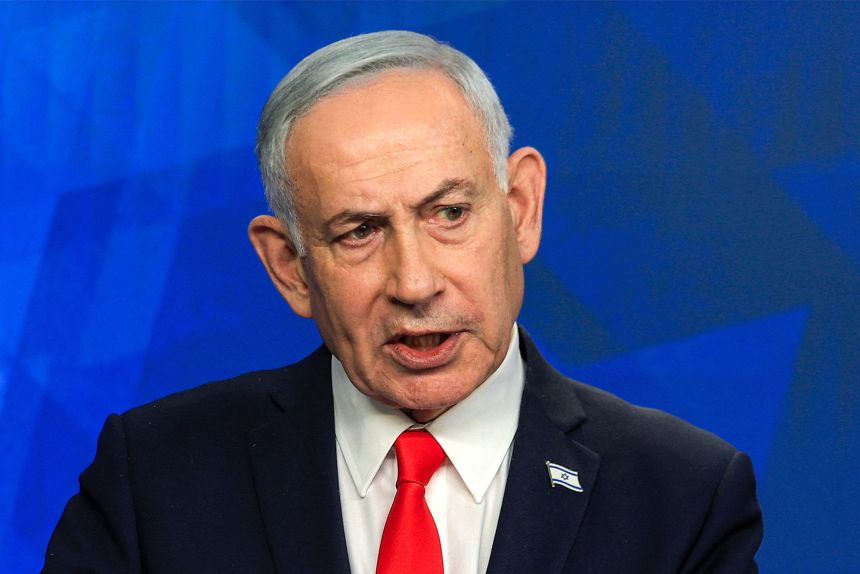
According to another insider, Prime Minister Benjamin Netanyahu held a restricted security meeting on Monday night to assess the latest situation regarding Iran. The discussions included possible scenarios that could prompt Israel’s involvement in the conflict: a request from Washington; an Iranian action that incites Israeli retaliation; or a proactive Israeli strike to address what it considers an immediate threat.
On Sunday, Eyal Zamir, the Chief of Staff of the Israel Defense Forces (IDF), emphasized the military’s preparedness. “We are ready for an immediate return to combat and will respond forcefully against anyone who threatens us,” he stated.
Despite the heightened state of alert, one insider indicated that Israel is satisfied with maintaining the current situation: remaining uninvolved while the United States and Iran continue their exchanges and remain distant from reaching a nuclear agreement, as economic pressure on Tehran continues to mount.
“Currently, Israel is not interested in participating in the conflict,” expressed Finance Minister Bezalel Smotrich, who attended the security meeting, on Tuesday. During a conference, Smotrich explained that the limited confrontation between Iran and the US aligns with Israeli interests as it increases pressure on the Iranian regime. “The most effective way to induce the regime’s collapse is through economic destruction,” he noted, citing Iran’s soaring inflation. “Thus, the existing circumstances benefit us, and we do not wish to involve ourselves.”
According to one source, Israel believes that the recent US airstrikes on bridges within Iran have dealt a heavy blow to the nation’s transportation and trade systems. “The Iranian economy is on the verge of collapse, which will ultimately weaken the regime further,” the source asserted. A wave of mass protests against the regime erupted in January, fueled by rampant inflation and poverty, and Israel regards the Iranian economy as one of the regime’s significant vulnerabilities.
A senior Israeli official informed USdaily that the chances of escalations in Hormuz that could pull Israel into the renewed conflict have increased recently, although the situation is still evolving, as Israel monitors regional diplomatic efforts aimed at resolving the crisis. “It’s dynamic,” the official remarked, observing that certain individuals within Trump’s circle advocate for diplomacy to prevent a broader escalation.
If Israel were to engage in the conflict, a second official indicated that it would aim to target high-value assets, particularly energy infrastructure and nuclear facilities – objectives Israel has been eager to pursue since the March campaign but were previously restrained by Trump.
“These targets could significantly influence the war’s outcome, but they also pose considerable risks for the Gulf states and oil prices, and until now, the Americans have been hesitant to take that chance,” he added.
In this context, Netanyahu has been attempting to coordinate an in-person meeting with Trump for several weeks, though a date has yet to be established. The two leaders have not met face-to-face since February, prior to the onset of the Iran campaign, despite maintaining regular communication. One insider revealed that Netanyahu is considering traveling to the US next week for the funeral of Sen. Lindsey Graham and is exploring the possibility of arranging a meeting with Trump during that trip.
