
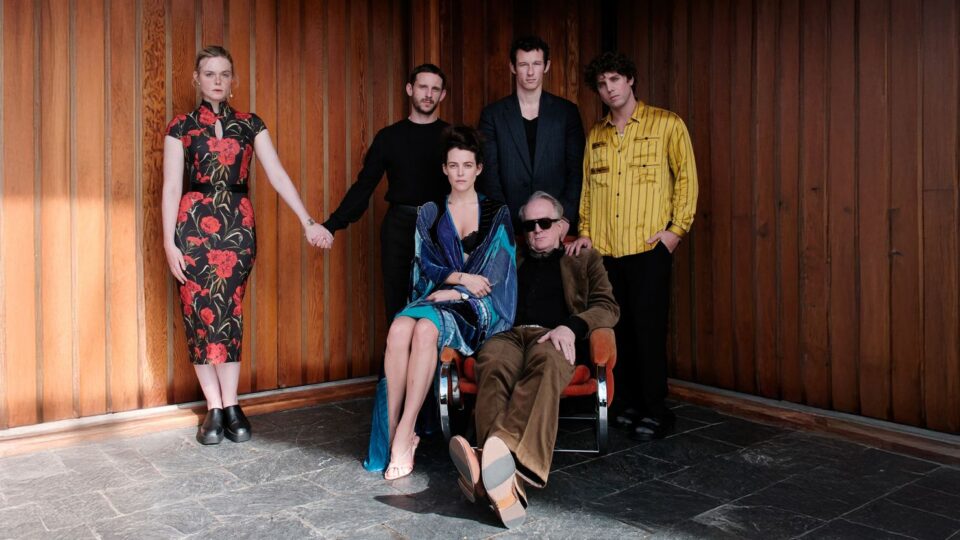
The American family depicted in Karim Aïnouz’s latest film “Rosebush Pruning” is tightly bonded through familial ties, desires, and a notable obsession with high-end fashion. The introduction of Elle Fanning’s character, Martha, who is dating the eldest son Jack (played by Jamie Bell), instantly creates tension as his sister Anna (Riley Keough) derisively dismisses this newcomer, labeling Martha’s elegant black and red floral dress as mere high street fashion.
“It’s clearly not from Zara,” costume designer Bina Daigeler explained during a video call, revealing that she found the dress in a vintage shop in Barcelona. “Since the designer isn’t identifiable, it made it simple for Anna to suggest, ‘oh, it’s probably Zara.’” This interaction marks the end of a particularly uncomfortable scene, where their blind father (Tracy Letts), still mourning the loss of their mother, prompts Anna to describe their guest: dress, handbag, hair, bosom. Anna’s comment exemplifies the envy that drives the film’s larger storyline – Jack is overly adored by his family members – while her father’s probing illustrates a distorted sense of entitlement.
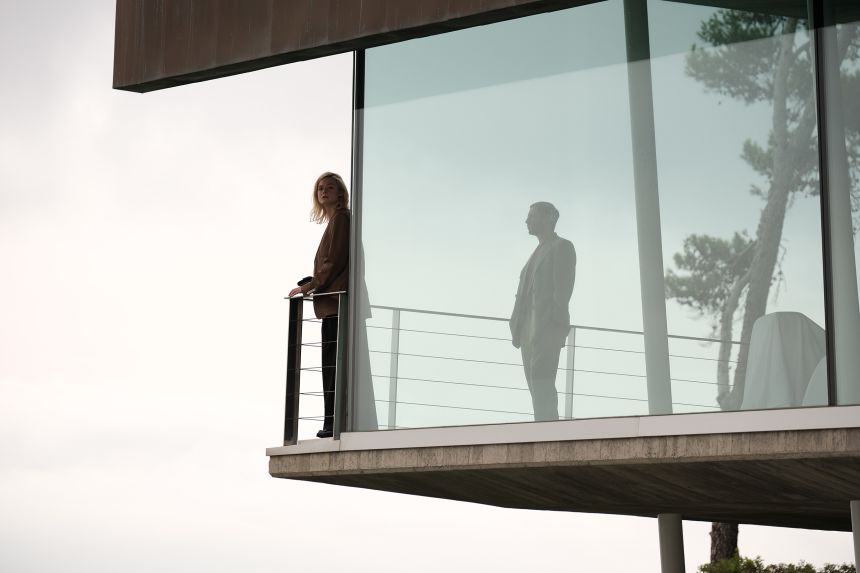
The four siblings – Anna, Jack, middle brother Ed (Callum Turner), and youngest brother Robert (Lukas Gage) – are all adults residing in their family’s contemporary home located in the Catalonian countryside, Spain. All of them profess a strong passion for fashion, supported by their considerable wealth, enabling them to dedicate their lives to style and clothing, a theme that resonates throughout the film’s dialogue. The movie begins with Ed engaging an elderly Greek man he has befriended about the Belgian designer Ann Demeulemeester, subsequently chastising him for mistaking his Bottega Veneta loafers for Sebago shoes.
“Rosebush Pruning,” Aïnouz’s second film in English, draws inspiration from Marco Bellocchio’s 1965 work, “Fists in the Pocket.” Co-written by Efthimis Filippou, the film features an unconventional family dynamic reminiscent of Yorgos Lanthimos’s absurdist family drama “Dogtooth,” which was also co-written by Filippou. Its satirical critique of wealth places it in a similar category to Emerald Fennell’s “Saltburn.” However, Aïnouz’s film takes a more extreme approach to exploring themes of dysfunction and incestuous desire, enhanced by its stunning cinematography. Ed, whose voiceovers initially establish the narrative context, ultimately devises a violent scheme to disrupt the family’s co-dependent behavior, granting Jack, viewed as an outlier among the “lazy, mediocre, vapid, egotists,” a shot at living autonomously with his girlfriend.
Fashion Forward: Where Style Meets Culture
- USdaily’s senior style reporter and expert in outfit analysis Rachel Tashjian delves into fashionable trends and provides insights into the fashion world – all delivered directly to your inbox. Subscribe to Big Style here.
“The process was very instinctual; Karim and I clicked right away,” remarked Daigeler, who received an Oscar nomination for her work on the 2020 film “Mulan” and led the costume design for the celebrated film “Tár,” starring Cate Blanchett. “We would meet early at the house before anyone else arrived and brainstorm ideas. He often referenced the Spanish painter Joaquín Sorolla, whom I admire and frequently feature on my mood boards. Being in Barcelona, surrounded by the sea and mountains with the family, these feelings are somehow reflected in Sorolla’s artwork.”
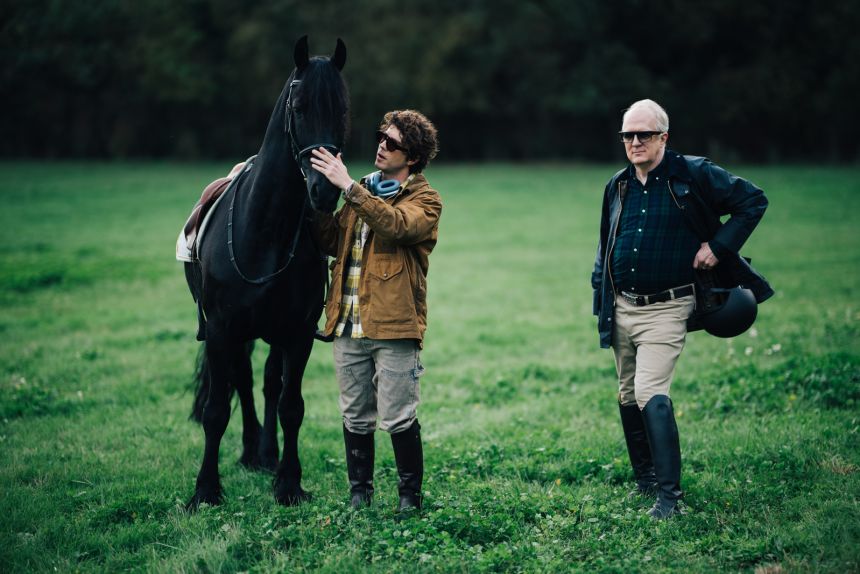
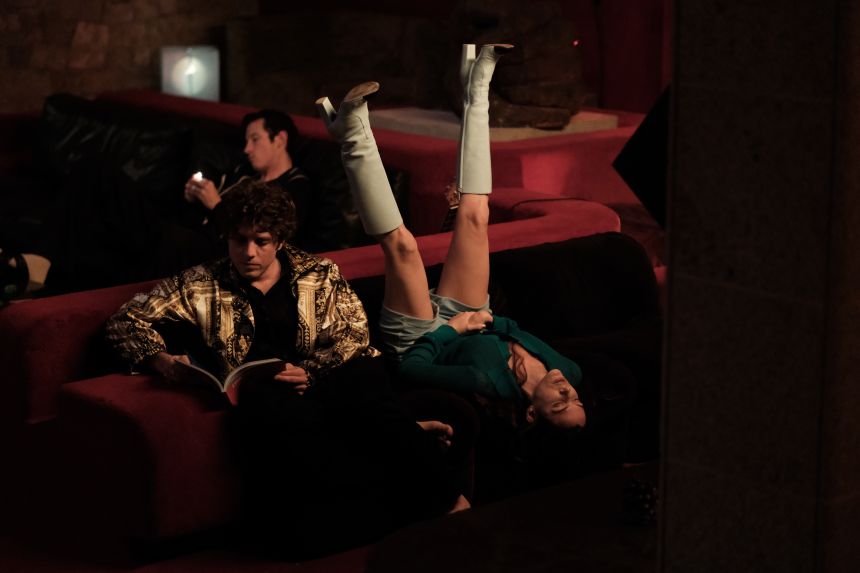
Daigeler described the fittings as reminiscent of a dress-up party, which felt fitting considering the family’s obsession with fashion. “Given that they are a very unconventional family, I aimed to incorporate that into the costume design, creating combinations that were perhaps unconventional.”
Among the brothers, Robert stands out for his bold style, often opting for Versace silk shirts and knits, showcasing an almost obsessive admiration for the brand: he dreams of Donatella and even possesses the same model of gun that ended Gianni’s life. Ed favors textured fabrics and typically dons light, neutral shades or athletic-inspired outfits, while Jack, who usually wears basic tees or shirts, reaches a style peak with a pistachio green suit during a house viewing.
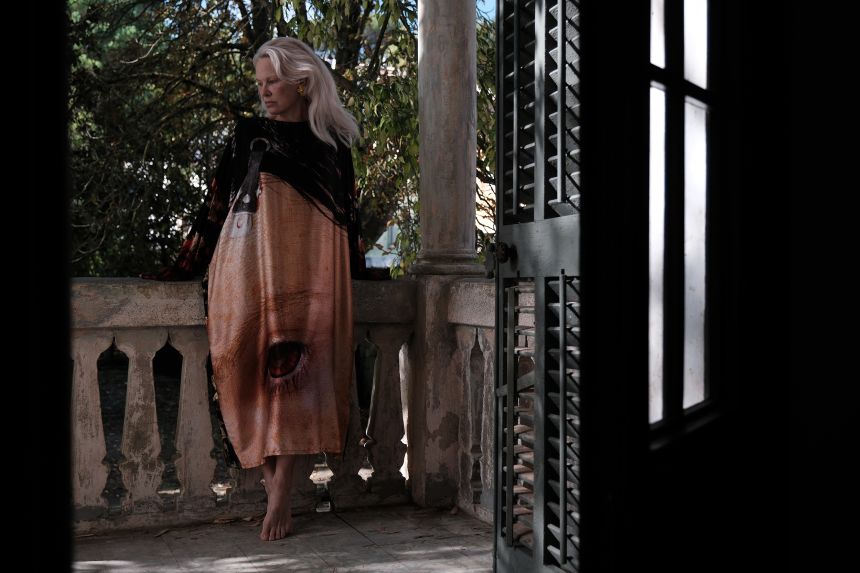
A significant twist in the film reveals that the siblings’ mother, portrayed by Pamela Anderson, is alive and cohabitating with her girlfriend Emma (Elena Anaya), offering Daigeler an additional setting to explore. “That was an intriguing and enjoyable element,” she noted, as she crafted looser silhouettes for Anderson and, at a pivotal moment, dressed the couple in matching boilersuits and rubber boots. “She has left her past behind and rebuilt her wardrobe, so we aimed for a simple yet sophisticated look. Emma’s style leans more masculine with bolder design choices – for instance, the pants and men’s shirts are more rugged.”
Anna’s wardrobe, however, best encapsulates the family’s relationship with fashion and their spending habits. “For Riley’s character, I considered classic brands to twist, opting against already unconventional labels like Demna’s Balenciaga,” Daigeler shared. Chanel emerged as a prominent brand for Anna, who frequently wears baby blue boots from the label, and whose vibrant orange and pink tweed dress reflects the film’s climactic events. “I collaborated with Matthieu Blazy when he was at Bottega, and when this project arose, he had just transitioned to Chanel, so I aimed to blend those brands.”
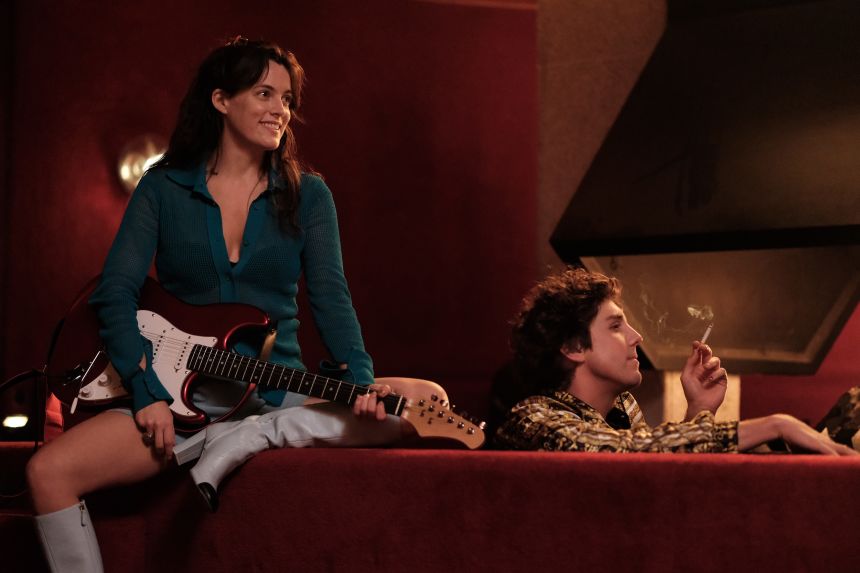
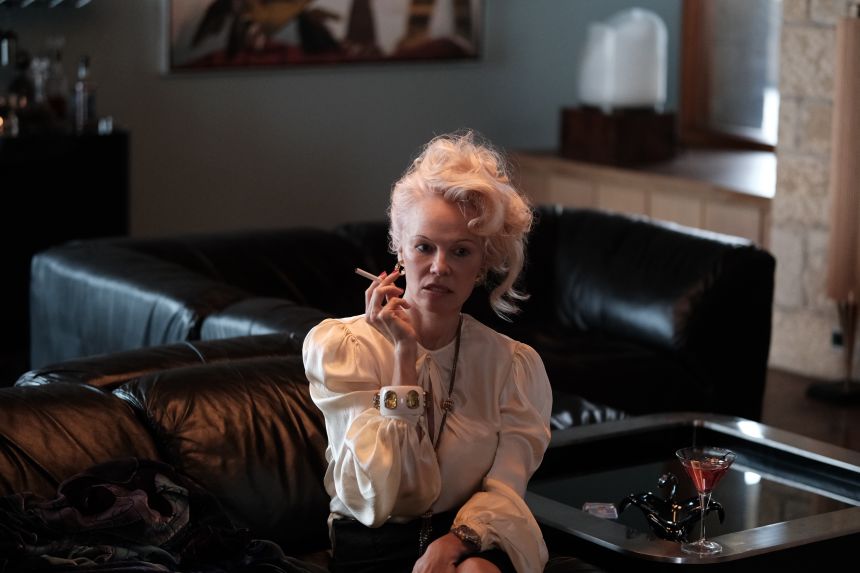
While Daigeler refrains from naming a specific favorite character or outfit from the film, she expresses a special fondness for Anna, whose style most accurately embodies her blend of vintage and contemporary fashion. “Working with Riley was immensely enjoyable,” she commented. “We pushed boundaries, such as Anna wearing just a bra paired with a shawl at lunch, a suggestion from Riley.” The deep blue, Klimt-esque velvet shawl Anna dons when meeting Martha serves as a significant symbol; by the film’s conclusion, it transitions to Martha, signifying her new role and deep connection with Jack.
“I truly enjoyed working with all of them,” Daigeler shared, capturing the essence of the fittings with the actors. “The script was unique and quite unusual, which made everyone think about the journey we were embarking on, and that was incredibly fascinating. They were all exceptionally receptive.”
