
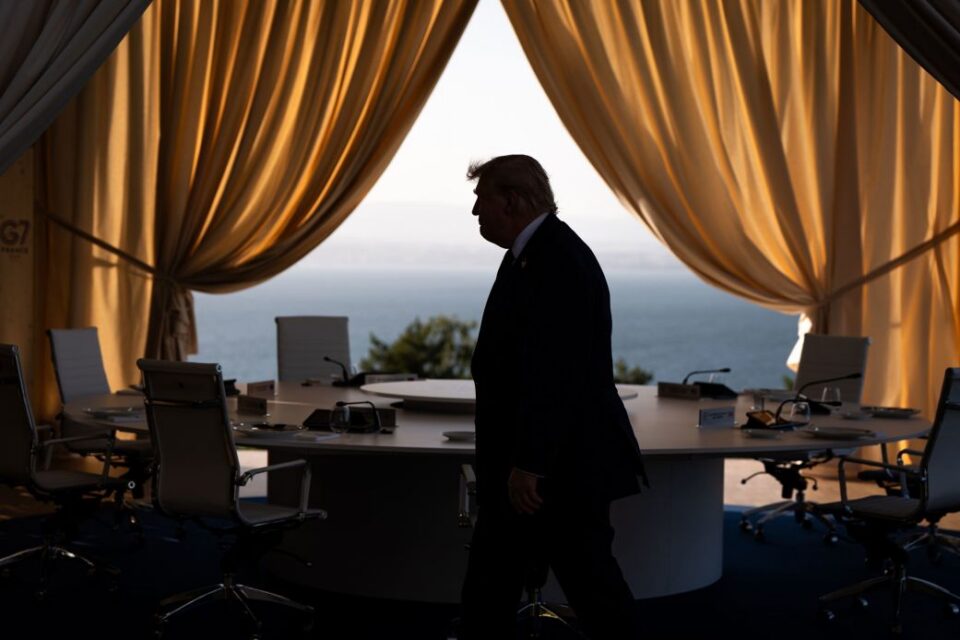
Donald Trump, during his campaign, pledged to prioritize American interests. His administration has focused on ensuring financial benefits for the United States.
Trump views the US as a participant in a business arrangement rather than a promoter of democratic values and capitalism. His foreign policy has emphasized collecting fees, enforcing tariffs, and claiming ownership of resources from both allies and adversaries, particularly in his second term, which includes interest in places like Greenland, Canada, and the Panama Canal.
However, these strategies often do not unfold as intended, as evidenced by Trump’s earlier term when Mexico failed to finance the construction of a border wall despite Trump’s repeated assurances. Nonetheless, Trump continues to view the military and economic power of the US as tools for leverage. Recently:
► He proposed — and later retracted — a 20% toll for US military protection of cargo traveling through the Strait of Hormuz.
► He assumed control over Venezuelan oil sales by supporting the remnants of the authoritarian regime he overthrew while sidelining the democratic opposition.
► He delayed the opening of a new bridge linking Detroit to Canada, attempting to extract more concessions from Canada, even though Canada funded the bridge’s construction.
► He has become more supportive of Ukraine now that he claims the US has a vested interest in its rare earth minerals.
A tollbooth on the Strait of Hormuz?
Ignoring the legal implications of imposing a fee on open waters — and the fact that Iran previously established a toll system — charging for protection can be perceived as either practical or as a tactic typical of organized crime, depending on one’s viewpoint.
Ultimately, this plan was short-lived. Within a day, Trump shifted his focus to promising that Gulf states would provide another form of compensation — this time from nations rather than shipping enterprises.

“Following productive discussions with leaders in the Middle East, I have decided to replace the 20% US Reimbursement Fee with Trade and Investment Agreements that Gulf States will enter into with the United States,” Trump stated in a social media message on Tuesday, just a day after proposing the toll.
The essence of Trump’s message may be that the US will be receiving something in return for the foreign involvement he initiated and has yet to bring to a conclusion.
The Pentagon has not provided an estimate for the costs of the war with Iran, but watchdog organizations have estimated it could exceed $40 billion and rising. The financial burden of the conflict is felt by ordinary Americans every time they fill up their gas tanks.
A portion of the profits may not be very much
Back in February, Trump intensified his fraught relations with Canada by insisting that the US should share ownership of the Gordie Howe Bridge connecting Detroit, Michigan, and Windsor, Ontario, despite Canada covering the bridge’s construction costs.
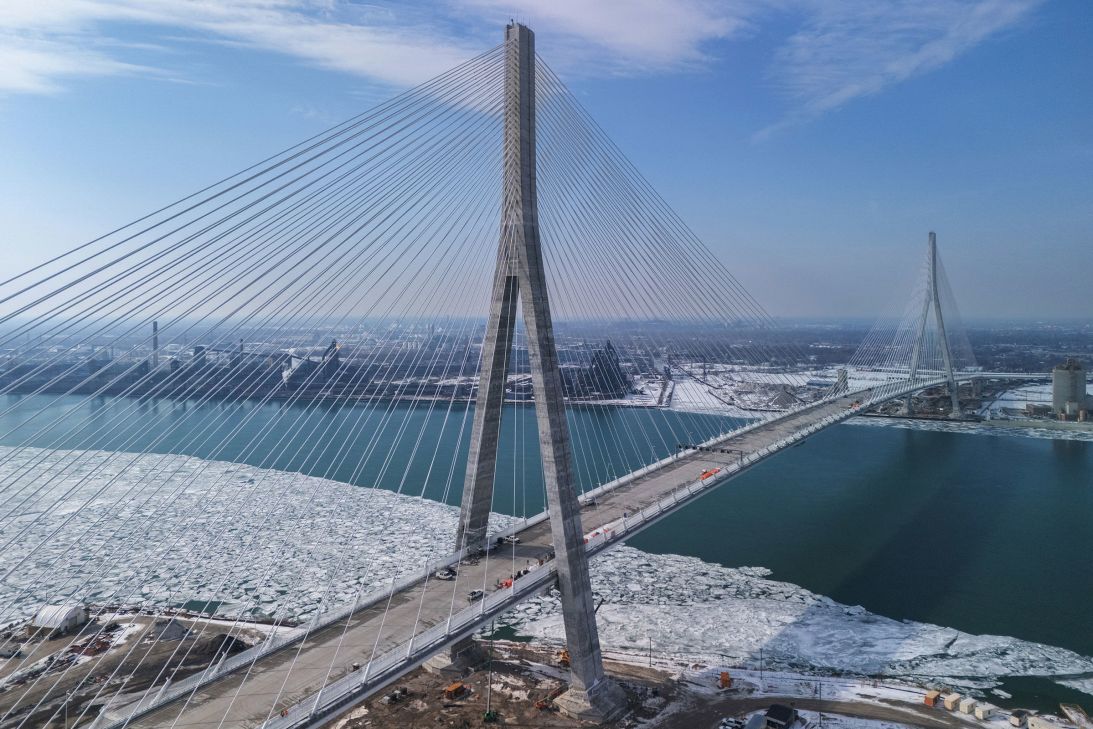
The bridge’s opening faced delays as the two nations renegotiated their agreement. The solution appears to involve Canada sharing net profits from tolls for the next 15 years with an economic development fund, although details about this fund remain unclear. The Canadian government has announced the bridge will open on July 27.
Canadian Prime Minister Mark Carney defended the new arrangement during a CTV interview.
“The term ‘net’ is significant here. We will share only after Canada has recouped its costs,” Carney stated.
“The net amount available for sharing will be minimal,” he added.
No sign of trillions of dollars Trump claims will be invested in the US
Trump has not elaborated on the type of investments Gulf nations are expected to make in the US after retracting the toll idea, but he has consistently asserted that he has secured foreign funding to be directed into the US. He often cites a staggering figure of $19 trillion in foreign investment he claims to have facilitated.
USdaily’s Daniel Dale has attempted to verify any substantial foreign investments in the US during Trump’s administration, but has found no evidence to support such claims. Nevertheless, Trump continues to make this exaggerated assertion frequently.
Current problem: How to repay illegal tariffs
Trump’s trade and economic strategy primarily centered around imposing tariffs on imports, which effectively serve as taxes on foreign goods. While economic experts generally argue that these tariffs ultimately burden American consumers through increased prices, Trump contends that it is foreign nations that shoulder this cost.
Currently, the US government is in the process of refunding tariffs that the Supreme Court ruled should not have been collected. For instance, in June, the US reimbursed over $49 billion. Trump has mentioned his intent to explore new methods of taxing imports. Meanwhile, lawsuits from businesses and individuals seeking to recover illegal tariffs are increasing.
Major questions about US control over Venezuela
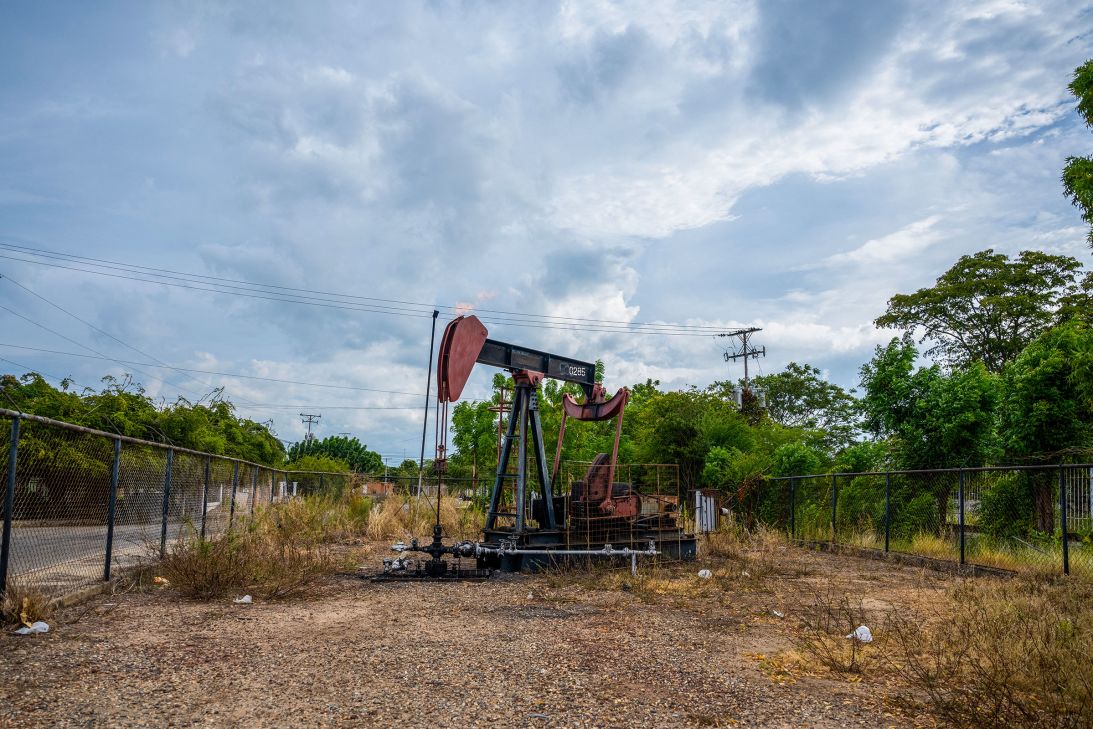
While tariff policies can be tracked through government documentation, the extent of US control over Venezuela is less clear. Earlier this year, the Trump administration sanctioned military action to detain former President Nicolás Maduro and transport him to the US for prosecution. However, Maduro’s regime has maintained its power with support from the Trump administration, which has taken over the management of Venezuela’s oil resources.
Information regarding the volume and scale of these oil sales has been challenging to obtain. Even Republican lawmakers have expressed concern about the lack of transparency, especially following the country’s devastating earthquakes.
The political opposition has largely been excluded from this process, despite opposition leader María Corina Machado presenting Trump with her Nobel Peace Prize prior to the US military’s actions against Maduro. The New York Times reported that Secretary of State Marco Rubio is exerting significant influence over the country from a distance, working with the current regime.
Elliott Abrams, who served as the special representative for Venezuela during Trump’s first term, wrote for The Free Press, stating that the administration prioritizes access to oil over necessary reforms.
“The focus has been on attracting investments in Venezuela and primarily increasing oil production, while recovery and democracy have been postponed indefinitely,” Abrams noted. “This approach is counterproductive.”
A friendlier view of Ukraine now that the US has a “stake” in rare earths
Trump caught US companies and Ukrainian President Volodymyr Zelensky off guard during a NATO summit last week when he expressed that Ukraine should have the ability to license and produce defensive Patriot interceptors.
Trump’s newfound warmth towards Ukraine may stem from his belief that the US has an interest in the nation — not as a democratic state in Europe, but as a country rich in resources.
“We have a little stake in that country now because we have some land in that country, but we have minerals. It’s among the wealthiest, it’s among the best land anywhere in the world for rare earth,” he stated, referencing a deal made between the US and Ukraine last year that establishes a joint investment fund. However, Trump’s perception of the deal may differ from Ukraine’s stance regarding ownership of its natural resources.
Demanding more from NATO will have unintended consequences
Trump’s primary complaint regarding NATO has been that European nations are not contributing enough. He articulates this grievance as though these countries should be compensating the US, although NATO members are expected to allocate a specific percentage of their GDP toward defense.
USdaily’s Fareed Zakaria recently suggested that while Trump should be acknowledged for pressuring European nations to increase defense spending, it may have unintended effects, such as reducing the likelihood that these countries will defer to US leadership. According to Zakaria, the previous system was “stable, peaceful, and pro-American.”
“We have initiated a chain reaction, and in the long run, Americans will likely miss the previous NATO structure, not because it was equitable, but because it represented the most successful security framework ever created, with the US at its core,” Zakaria remarked.
The same sentiment may apply globally as Trump’s policies reshape how other nations perceive the United States.
