
Zirui Yang has had a passion for shopping since he was in junior high school. “I was always into clothes, shoes, and accessories, and they had to be from well-known brands,” shared the 22-year-old student. “My interest began with Nike and Adidas, then evolved to include Gucci and Balenciaga.”
However, since he began college in 2022, his shopping habits have shifted from high-end brands to items with “emotional significance, such as small accessories, plush toys, fragrances, and travel experiences,” noted Yang, who resides in Nanjing, eastern China. “I appreciate rituals, novelty, and unique items.”
This marks a significant change from the logo-driven consumerism that previously characterized China’s Generation Z and millennial shoppers. Yet, amid economic uncertainties and a slow recovery following Covid-19, the emerging luxury consumers in the country continue to find comfort in consumption.
Urban youth are increasingly investing in “lucky” items, crystals, and Zen-inspired fashion and fragrances, seemingly seeking temporary emotional relief. They are also spending on spiritual experiences, such as weekends at Mount Emei, a Buddhist site in Sichuan, wellness retreats, and frequent visits to numerous temples across the nation.
The market surrounding “xuanxue,” or spiritual mysticism, has flourished in recent years across various price ranges, transforming the retail landscape. The hashtag #xuanxue has garnered over 5 billion views on the popular Chinese social media platform Xiaohongshu.
What are consumers purchasing, and what does this reveal about contemporary China?
‘Lucky’ Luxuries
At the lower end of the market, there is a notable increase in interest for fengshui-friendly “energy enhancing” jewelry. Data from e-commerce sources, reported by the Singaporean newspaper Lianhe Zaobao, indicates that sales of crystal bracelets soared by 320% in China in 2024, making up more than one-third of the nation’s estimated 3-billion-yuan ($444 million) online crystal market. Despite a contraction of up to 5% in China’s personal luxury sector in 2025, as per Bain & Company, some premium items remain increasingly sought after within online discussions.
Across Chinese social media, there exists a luxurious spiritual lexicon: A Cartier Juste un Clou nail bracelet, priced at 34,100 yuan ($5,000), is believed to shield the wearer from misfortune and deter negative influences. Similarly, an 18-karat rose gold and diamond Tiffany & Co. “T” bangle, priced at 47,300 yuan ($7,000), is thought to protect against difficult bosses and enhance job prospects. Qeelin’s Wulu jewelry collection, shaped like auspicious bottle gourds, is believed to bring good fortune to families, while Vivienne Westwood’s orb necklaces are thought to be beneficial for career advancement. (With youth unemployment in the country exceeding 16%, it’s understandable why Gen Z might feel the need for extra support.)
Meanwhile, Van Cleef & Arpels’ well-known Alhambra “four leaf clover” range, starting at over 14,100 yuan ($2,000) for a simple necklace, has long served as both a status symbol and a talisman in China. The various inlay materials, which include mother of pearl, malachite, and onyx, have been assigned different mystical interpretations by users on social media (such as aiding the wearer’s career, romantic relationships, friendships, or financial matters).
Although the excitement of indulging in luxury jewelry can feel spiritually uplifting, it does not guarantee lasting inner peace. However, the notion that luxury accessories can function as emotional shields amid economic instability clearly resonates with both consumers and marketers capitalizing on this trend.
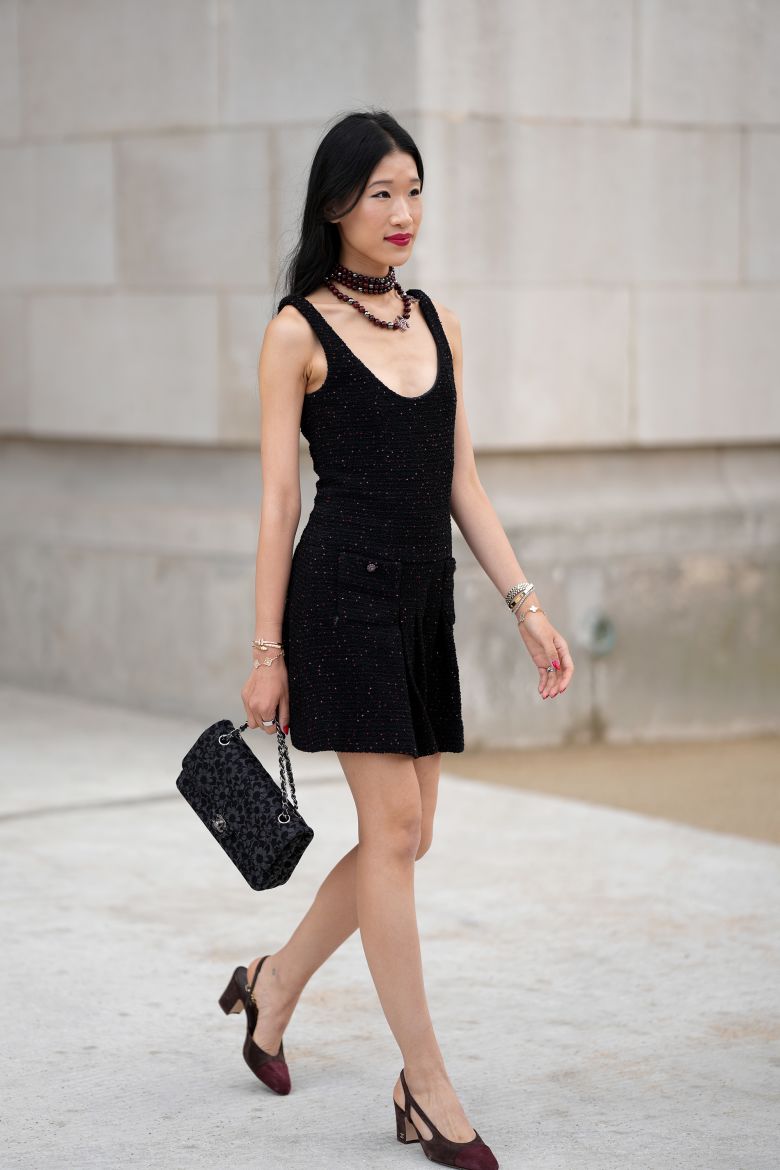
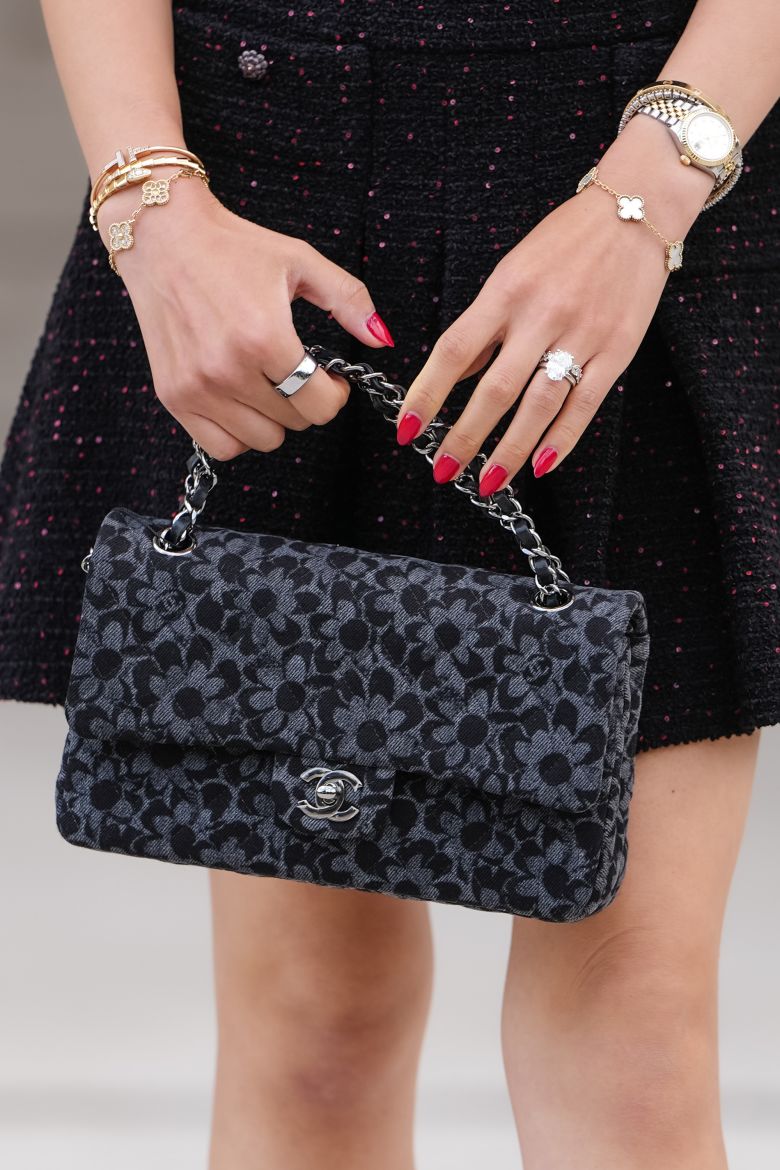
Fashion trends influenced by spirituality have also gained traction online. A hashtag that translates to “Zen style” has amassed over 270 million views on Xiaohongshu, with posts discussing everything from the flowing designs of the upscale Chinese designer Uma Wang to affordable robe-like garments available on Taobao and other e-commerce platforms. While “spiritual fast fashion” might seem contradictory, the philosophical depth of consumers’ motivations may not always be profound.
Young individuals are increasingly investing not merely in products, but in “a means of self-definition and an emotional vessel,” according to Linda Yu, a general manager at the Shanghai-based marketing firm Red Ant Asia. “Certain brands have recently transitioned spiritual consumption from the periphery to the mainstream.”
Popular brands in the consumer market, such as Lululemon and the coffee chain M Stand, have introduced spirituality-themed marketing initiatives in China recently. Molly Tea, a bubble tea brand, collaborated with a 1,700-year-old temple in Hangzhou to create co-branded cup sleeves, fridge magnets, and fragrance diffusers. Burger King even teamed up with the Taoist site at Mount Longhu for Lunar New Year, offering a “God of Wealth” figurine for an extra 38 yuan ($5.62) with meal deals.
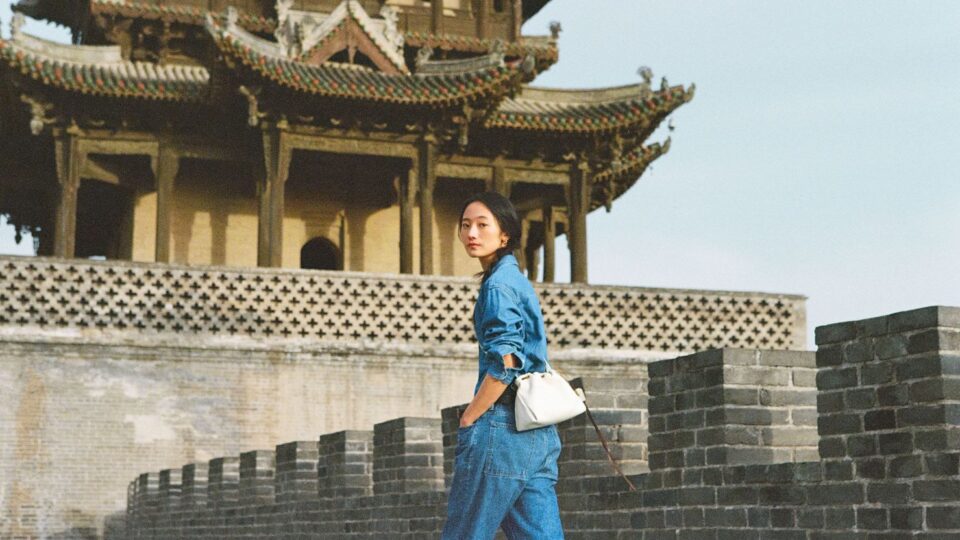
Local luxury brands have adopted a more understated approach, avoiding overt symbols while weaving Chinese philosophies into their marketing strategies. One notable example is the viral handbag label Songmont, which hosts a podcast featuring renowned directors or actors discussing themes like self-acceptance and creativity in reflective two-hour episodes.
“Songmont doesn’t sell luck per se — it offers peace of mind derived from taking a step back,” Yu explained, believing that the brand’s clientele is “not purchasing a logo; they’re investing in a spiritual identity.” She elaborated: “Its designs take inspiration from the curved eaves of ancient Shanxi architecture and the contours of the Yellow River floodplain, with a deliberately slow marketing approach.”
Officially, China is an atheistic state, with fewer than 10% of the population identifying with any religion, as reported by the Pew Research Center. However, when the definition of religion is expanded to include concepts of “spirituality, customs, and superstitions,” the significance of religion in people’s lives appears much greater, according to the think tank. For instance, a 2018 survey cited in Pew’s report indicated that 47% of Chinese adults believe in fengshui, the practice of arranging objects or structures to foster happiness and good fortune.
Visiting temples to pray for wealth and good fortune is common, even among those who do not consider themselves particularly religious. Additionally, the belief in talismanic properties of jewelry is a tradition that spans thousands of years.
This may partially explain why commercial partnerships — such as fast-food chains collaborating with temples or jewelers and fashion brands leveraging spiritual themes — have not faced the kind of backlash that might be expected in the West.
Chinese state media, which often reflects the Communist Party’s viewpoints, has expressed skepticism regarding this trend, frequently cautioning consumers about the potential for scams. “Turning to xuanxue may offer some relief from stress. However, becoming overly fixated on it or developing superstitions can lead people astray,” a Marxist scholar was quoted as saying in a recent China Youth Daily article.
Temples and Retreats
Zach Liu, 32, isn’t particularly religious, yet he and his wife chose to visit temples during their honeymoon in Dali, located in China’s Yunnan province. He spent around 100 yuan ($15) on a prayer plaque at the ancient Chongsheng Temple, noting that many young visitors were also purchasing blessed charms and beads.
“As life pressures increase, people often turn to temples for a moment of respite, even if just for a short time,” said Liu, originally from Suzhou, a city west of Shanghai, who works as a university consultant. “Seeking comfort and spiritual enrichment is a significant part of this, along with an appreciation for culture, stunning landscapes, and history.”
Recent reports indicate that China’s temple economy, which encompasses earnings from associated merchandise, is estimated to generate around 100 billion yuan ($14.8 billion) annually. This growth is driven in part by the surge of temple-related content on social media, according to Liu.
“We encounter a wealth of online content, both from temple accounts and influencers on Xiaohongshu,” he mentioned.
She Ze Lin, a 25-year-old influencer and jewelry designer, exemplifies this trend. She frequently visits temples for inspiration — and content creation — and now guides groups of followers to various religious sites throughout China.
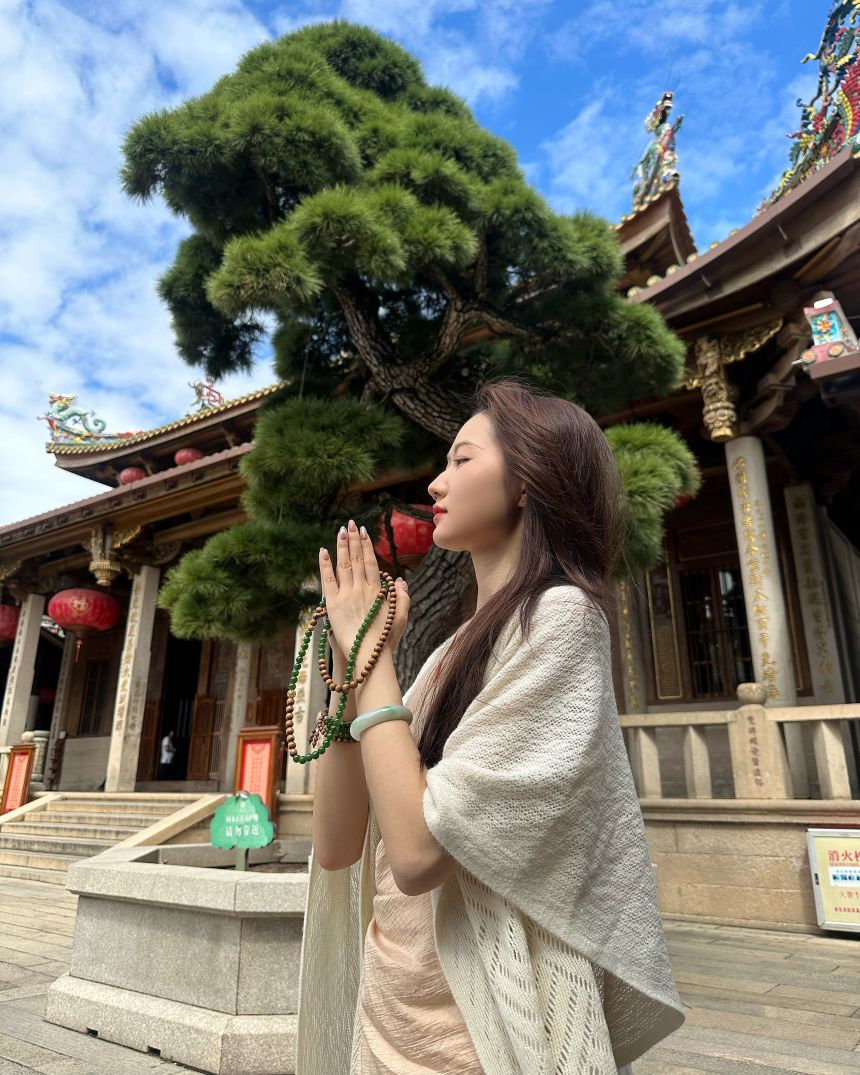
According to She, two primary groups of young people are fueling the popularity of temple tourism today: those who have achieved “a certain level of material comfort and seek spiritual release” and those looking to “manage the uncertainties of life, alleviate anxiety, cope with job pressures, salary worries, relationship challenges, and the many choices and uncertainties of the future.” Essentially, both affluent and less privileged individuals.
“Given that many young people’s social circles revolve around subjects like astrology, MBTI (Myers Briggs), or fortune-telling, these practices have almost become social tools,” remarked She, who hails from the Chaozhou region in Guangdong province.
Similar motivations may be driving the rapidly expanding market for divination, astrology, and tarot reading applications. The Tencent-backed Cece astrology app has been downloaded approximately 24 million times, as reported by market intelligence firm Sensor Tower. Additionally, individuals are paying for online astrologers to ease their feelings of uncertainty and despair, with some even making small payments (as little as one or two yuan) through their smartphones for “digital prayers” during temple livestreams.
Much like in the West, luxury spending is increasingly shifting from tangible items to emotional and sensory experiences, which is a positive trend for the wellness industry. Sound baths featuring meditative singing bowls, gongs, and wind chimes have emerged in central Shanghai; Upper House hotels in mainland China now offer full-day wellness retreats that include crystal “soul reading” sessions.
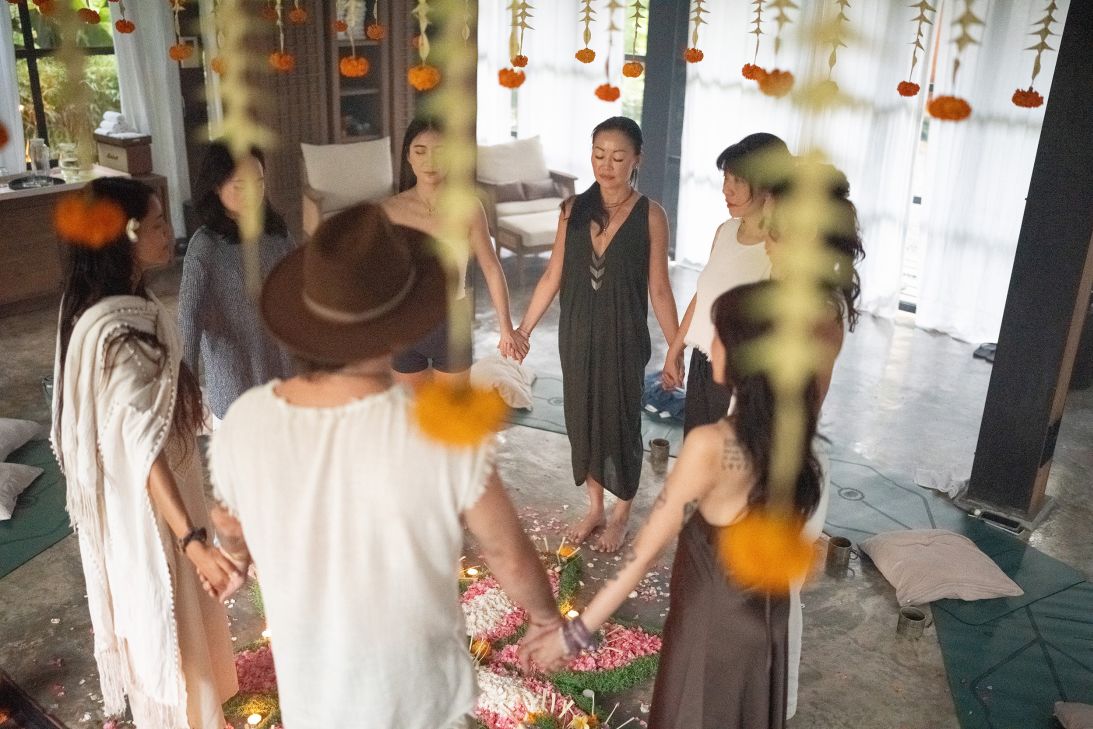
Energy Alchemy, a luxurious five-day retreat in Bali priced at 42,000 yuan ($6,200), targets affluent millennial women from China and includes workshops focused on breathwork and reiki, a Japanese spiritual healing method. Its founder, Weiley Chen Walter, who established the business after a 15-year career in fintech, states that “many modern Chinese women are beginning to explore deeper questions related to identity, emotional inheritance, burnout, and self-worth — inquiries that previous generations rarely had the opportunity to openly discuss.”
Young women are increasingly vocal online about their desire not only for external success but also for inner peace, she added.
This conversation is taking place against a backdrop of rapid technological, social, and economic transformation in China. Liu points out that participation in the spiritual economy aids in “mitigating feelings of uncertainty,” as the “traditional route of studying diligently for college, graduating, and landing a high-paying job no longer holds true for many young individuals.” He added, “With the emergence of AI, for example, many are uncertain about the future relevance of their current employment.”
The quest for inner tranquility, whether through travel or meaningful purchases, may symbolize a generation attempting to attain calm in a country where stability itself is a luxury. The spiritual economy isn’t solely about faith; it emphasizes rituals, emotions, and a sense of control.
“Ultimately, we all spend money to pursue happiness,” expressed Yang, the college student. “We trade the outcomes of our labor for emotional satisfaction.”
USdaily’s Joyce Jiang, Fred He, and Shuai Zhang contributed to this report.
