
Lee el artículo en español.
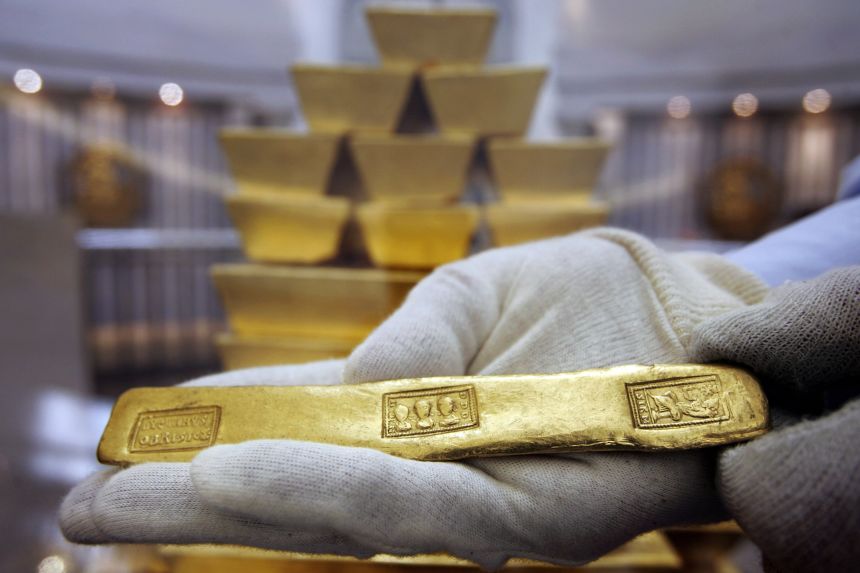
This is a struggle for authority over a cache of gold secured in one of the most fortified vaults globally, not a scene from an 18th-century adventure tale or a heist film.
This is the challenge confronting the Venezuelan administration as it seeks to maneuver through political instability and the repercussions of last month’s catastrophic twin earthquakes.
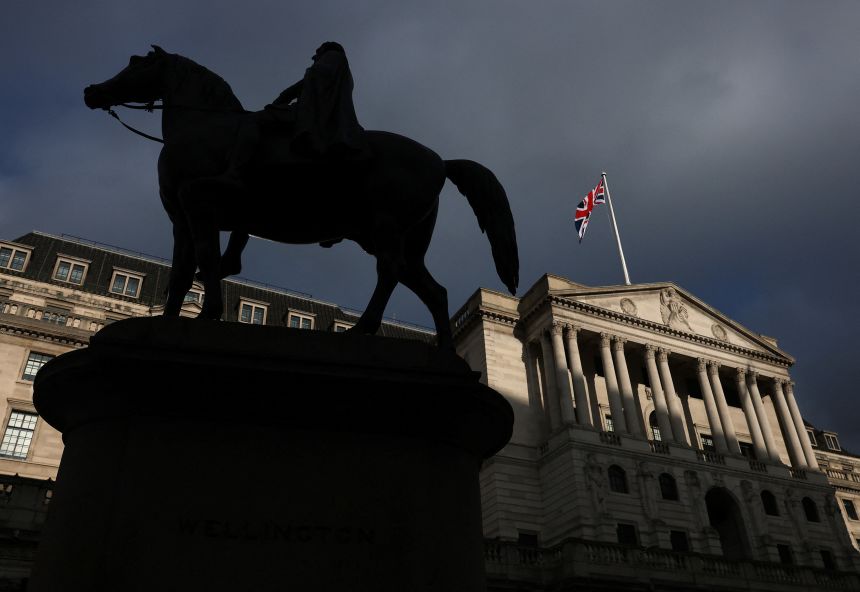
The government in Caracas is urging the Bank of England to return the 31 tons of gold bars it placed in storage in 2008, claiming it needs the funds to support recovery efforts after the calamity that resulted in thousands of fatalities and an economic impact estimated at 6% of the nation’s GDP, as reported by the United Nations Development Programme.
While it is common for the UK’s central bank to manage the gold reserves of various nations – it boasts one of the largest vaults globally containing around 400,000 gold bars from multiple countries – this particular situation presents complications.
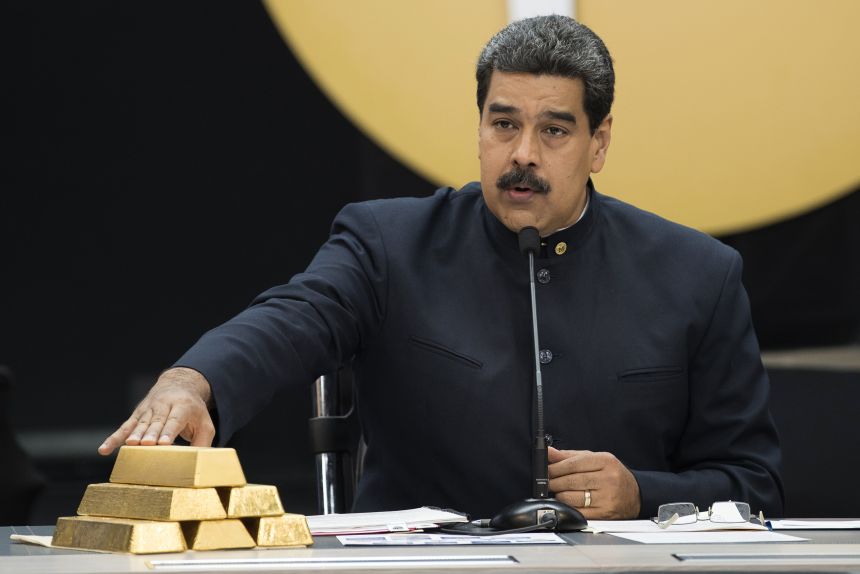
The status of Venezuela’s gold reserves – currently valued at approximately US$4 billion – has been uncertain for years amidst an ongoing dispute involving the British government and the former Venezuelan leader Nicolas Maduro.
The Bank of England halted access to the gold after the UK, alongside the US and several other nations, declined to acknowledge Maduro’s victory in the contested 2018 presidential election in Venezuela.
This has led to a protracted legal conflict; however, following Maduro’s arrest in New York by US forces in January, Caracas views this as a chance to reclaim its funds.
After Maduro’s arrest, his former deputy Delcy Rodríguez has assumed the role of acting president and is working to mend diplomatic ties with the US – allowing US investment in her country’s oil sector, freeing some political detainees, and aligning her administration with Washington’s initiatives in the region.
She is now optimistic about achieving a similar resolution in the dispute with the UK.
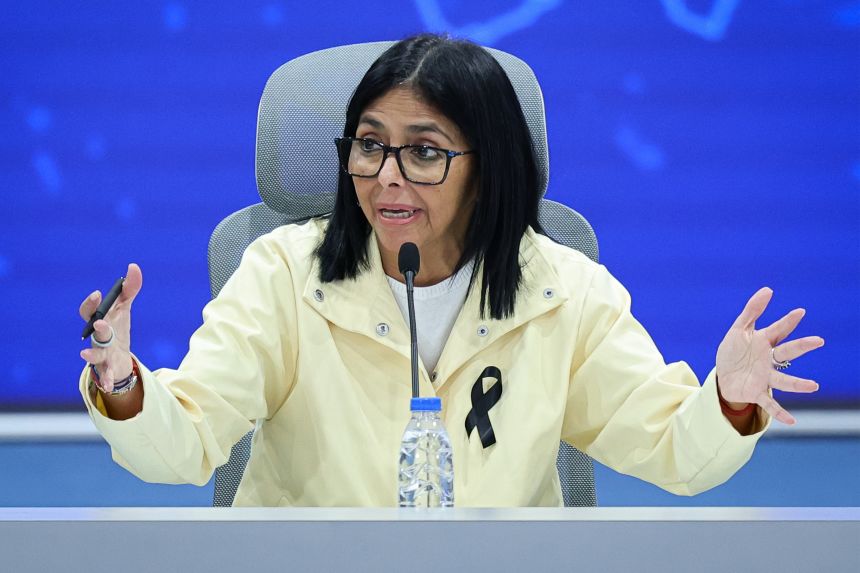
“That gold is the property of our citizens and should be utilized to mitigate the severe, tragic effects of this dual earthquake,” Rodríguez stated on national television this month. “Venezuela possesses the means to recover and regain stability,” she continued.
It remains unclear how much of Venezuela’s overall gold reserves are represented by the 31 bars. Approximately two decades ago, the nation was estimated to hold around 300 tons of gold, but that number is now believed to be significantly reduced. The World Gold Council currently estimates the total at 161 tons.
Rodríguez has even reached out to King Charles III, urging the release of the gold for reconstruction efforts, although he, as a constitutional monarch, typically refrains from engaging in political matters.
It remains uncertain whether the UK government will heed these requests. In the aftermath of Maduro’s removal, the UK’s then-Foreign Secretary Yvette Cooper stated that the UK did not recognize the Venezuelan administration.
When questioned by a UK lawmaker regarding the potential release of the gold, Cooper remarked, “the Bank of England must operate independently, but our principles are centered on fostering stability and encouraging a transition to democracy.”
However, Cooper has since been succeeded in her role as foreign minister following the recent appointment of a new prime minister in the UK, Andy Burnham, and it remains too soon to determine the stance of her successor, Ed Miliband, on this matter.
Nonetheless, Rodríguez has achieved some positive developments in gaining the support of skeptics, recently reestablishing a seven-year hiatus in relations with the International Monetary Fund. This allowed Venezuela to obtain $346 million from its own reserve resources for reconstruction initiatives this month.
Whether she can achieve similar success with the Bank of England is yet to be determined. As of the time of this writing, neither the Bank of England nor the Central Bank of Venezuela had responded to USdaily’s inquiries regarding the gold dispute.
For now, it appears that all that glitters … continues to remain secured abroad.
