
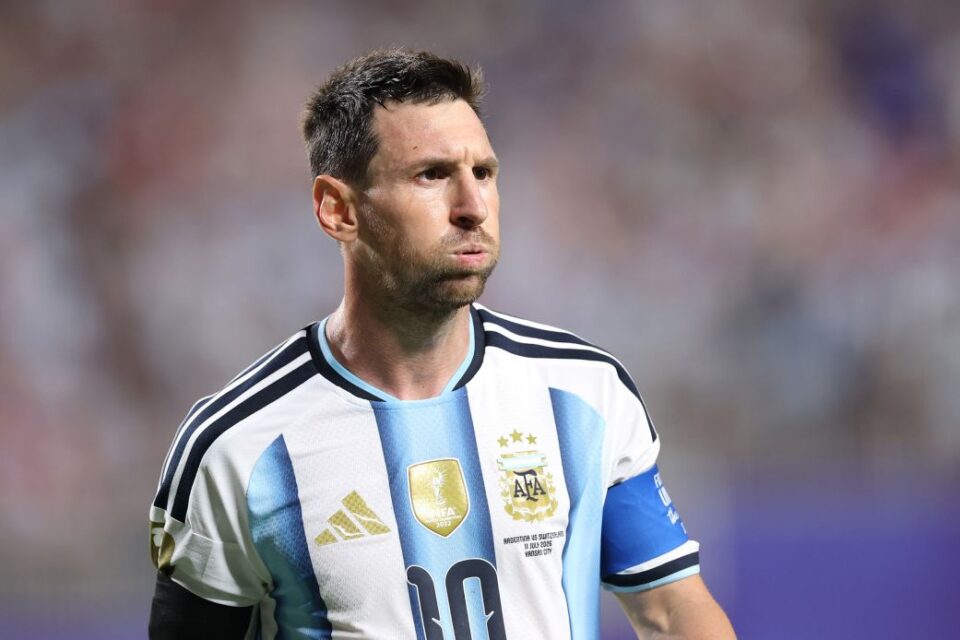
You wake up feeling anxious. Perhaps you’ll turn to your favorite shirt, the one you wore the last time your team triumphed. You grimace and nod through meetings, constantly glancing at the clock. At last, it’s time for the match. Ugh. The anxiety only intensifies. Hold on — was the World Cup meant to be enjoyable?
With Argentina and Spain gearing up to compete for the championship title this Sunday, fans from both nations are experiencing a whirlwind of emotions.
“Honestly, I’ve been anxious for days,” shared 23-year-old Bárbara Laura in central Madrid before the match. “If they lose, I’ll end up crying on the sidewalk. I’ll have no choice but to crack open a bottle of rum, drink it straight, and sob.”
“There’s so much at risk, and our mood is deeply affected,” explains Pablo Nigro, president of the Argentine Sport Psychology Association. “It’s as if we are all participants in the game, elevating our expectations. When the team fails, it feels like a collective loss, one that is profoundly raw and painful.”
Anxiety is an inherent part of the World Cup experience for devoted fans, extending beyond just game day. As Freud noted, “We are never so defenseless against suffering as when we love.”
Over a month into the tournament, one Italian friend still feels resentful towards the outcome for his beloved Azzurri, who didn’t make the cut this year. “Watching the World Cup without them is even more painful. It feels numb, and I somewhat despise seeing all my international friends cheering for their teams,” he admits.
Don’t mention it to the English fans, many of whom are still unable to discuss the last-minute defeat on Wednesday — although one supporter confessed he feels a sense of relief when England exits a tournament, allowing him to escape the emotional rollercoaster.
For those who find themselves struggling with the emotional weight of the game, it may be wise to take cues from Argentina, a nation whose passion for soccer is matched only by its love for psychoanalysis. As per a frequently referenced statistic from the World Health Organization, Argentina has 222 psychologists for every 100,000 individuals, compared to 30 in the United States and 48 in France. USdaily consulted several, many of whom are enthusiastic football supporters themselves.
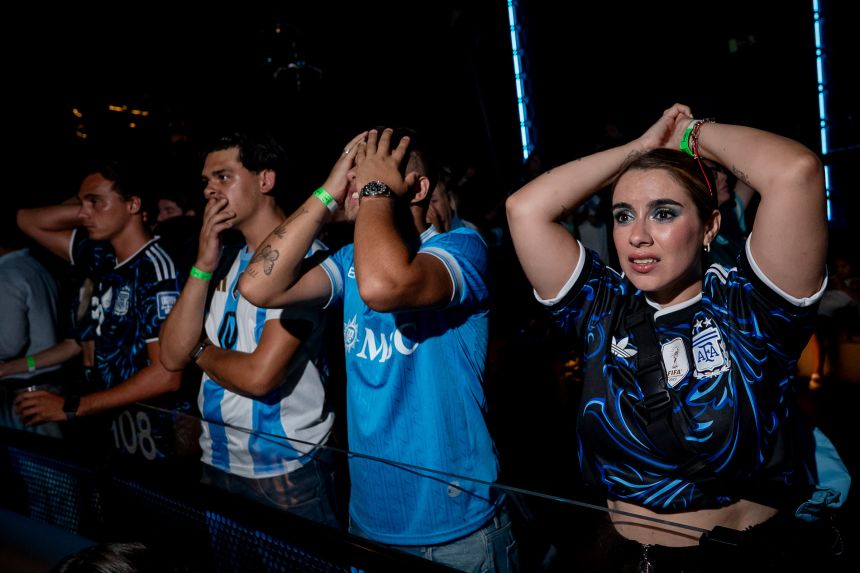
‘If it’s not suffering, it’s not Argentina’
Argentina has endured trials in this World Cup, navigating a series of nail-biting matches. La Albiceleste appeared to narrowly avoid early challenges against Cape Verde and Switzerland, managing to push through in extra time. Fans found themselves on edge again during Wednesday’s semi-final against England, as they waited until the dying moments to score.
The day following that match, Buenos Aires’ La Nación newspaper hinted at heightened anxiety among fans, reporting on sleepless nights and thoughts of Spain already creeping in. However, suffering — and the strength that comes from overcoming it — is deeply ingrained in Argentine culture.
Nigro explains that athletes who struggle with anxiety are trained to employ relaxation and visualization methods, which help instill a sense of control — though he also notes that nerves can “activate” players in a way that enhances their performance on the field.
He offers different guidance for couch spectators dealing with heightened heart rates simply at the thought of the match, emphasizing that breathwork and positive thinking may not be sufficient for a passionate fan consumed by anticipation.
“When individuals reach out to me about their anxiety, I suggest broadening their perspective: The fact that we’re experiencing this moment is a privilege. It’s not just about the 90 or 120 minutes of the match on Sunday, but the sheer fact that we are about to participate in a final.”
He also encourages fans to appreciate the camaraderie within fandom. “Noticing the person next to you in a joyful state, seeing them in the national jersey on their way to work, or spotting a flag on the street. Those small moments will be absent by Monday or Tuesday — regardless of the outcome.”
During the match itself, he suggests finding a way to release some energy — if you haven’t already jumped up or shouted at the television.
“If you feel excessively anxious, take a walk, do some small jumps, or engage in any activity that alleviates a bit of that tension from this inevitable experience. You’ll find yourself nervous from the first minute to… well, minute 90. Anticipate the fact that nerves will be a part of this.”
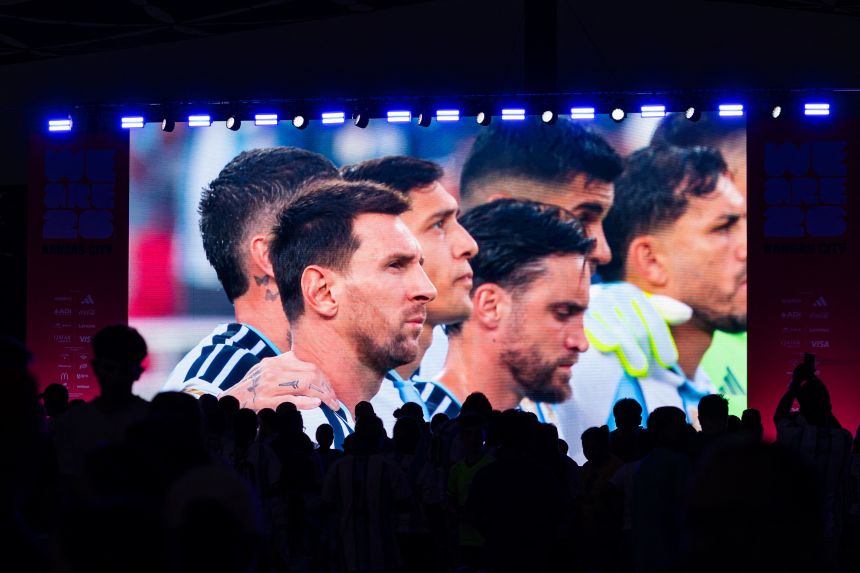
Then there are the superstitions. Eager to find something to influence the outcome, many Argentine fans resort to witchcraft: On match days, one colleague’s family places anything associated with the opposing team in the freezer — Swiss chocolates for the clash against Switzerland, a cherished Beatles album when England was the rival.
Others maintain the practice of sitting in the same spot where they witnessed past victories; when Argentina is trailing, even sports commentators will suggest viewers change their seating to turn the team’s luck around.
“In a sense, we are attempting to manage the uncontrollable — that if I perform these rituals, at least I can ease my anxiety a bit, feeling like I’m contributing my part for the team to achieve victory,” Nigro explains.
While Argentina’s culture emphasizes discussing mental health, enabling fans to articulate their struggles on a therapist’s couch, they can find reassurance knowing that professionals are equipped to convert their anxiety into tactical moves on the field.
“Once you don that jersey and step onto the field, you start to handle the stress,” asserts Argentine sports psychology expert Jorge Rocco. He mentions that during the match against England, they harnessed the energy generated from early challenges to turn the game around.
“While watching the game with a Spaniard, I remarked, ‘I hope England scores a goal.’ He asked me why. The initial minutes played out like a chess match. Both teams were cautious, not wanting to take risks.
“However, Argentina shifted their approach emotionally once they decided that ‘(England) cannot possess what belongs to us.’”
Reporting contributed by Sarah Hutter.
