
An obscure advisory panel for the US Food and Drug Administration is set to convene this week to discuss the possibility of relaxing regulations on specific peptides. These injectable substances have gained traction among wellness advocates and certain medical professionals, who claim they aid in muscle recovery, alleviate inflammation, enhance longevity, or simply promote better health overall.
This meeting provides an initial insight into how the drug regulators of the second Trump administration will address the swiftly rising interest in peptides that have not received FDA approval.
The Pharmacy Compounding Advisory Committee (PCAC) of the FDA is scheduled to convene on Thursday and Friday to evaluate some of the contentious and popular peptide injections and deliberate on whether compounding pharmacies should have the authority to dispense them.
Prior FDA panels typically consisted of scholars and researchers. In contrast, the current committee under the second Trump administration mainly comprises health professionals who are involved in prescribing, producing, or promoting peptides.
US Health and Human Services Secretary Robert F. Kennedy Jr. has expressed that he is “a strong advocate for peptides” and has personally used them. He has also indicated a desire to ease restrictions surrounding these substances but has encountered pushback from within the FDA, which has previously concluded that some peptides do not have adequate safety data.
The advisory committee’s meeting this week is a critical juncture in deciding whether some of these peptides will advance toward becoming more commonly used in medical practices or will remain largely unregulated.
During the two-day meeting, the committee is slated to examine seven peptides that have been proposed for inclusion on the FDA’s 503A Bulks List, which encompasses substances that compounding pharmacies may utilize to create personalized medications for patients under specific legal guidelines.
In pre-meeting documents, the FDA’s specialists indicate that there is insufficient evidence on safety and efficacy to support allowing pharmacies to produce the peptides under consideration. Their recommendation is to refrain from adding these peptides to the 503A Bulks List.
While the committee’s suggestions tend to significantly influence the FDA’s choices, they are advisory in nature and not obligatory. Ultimately, the agency will decide whether to adhere to the recommendations.
What are peptides?
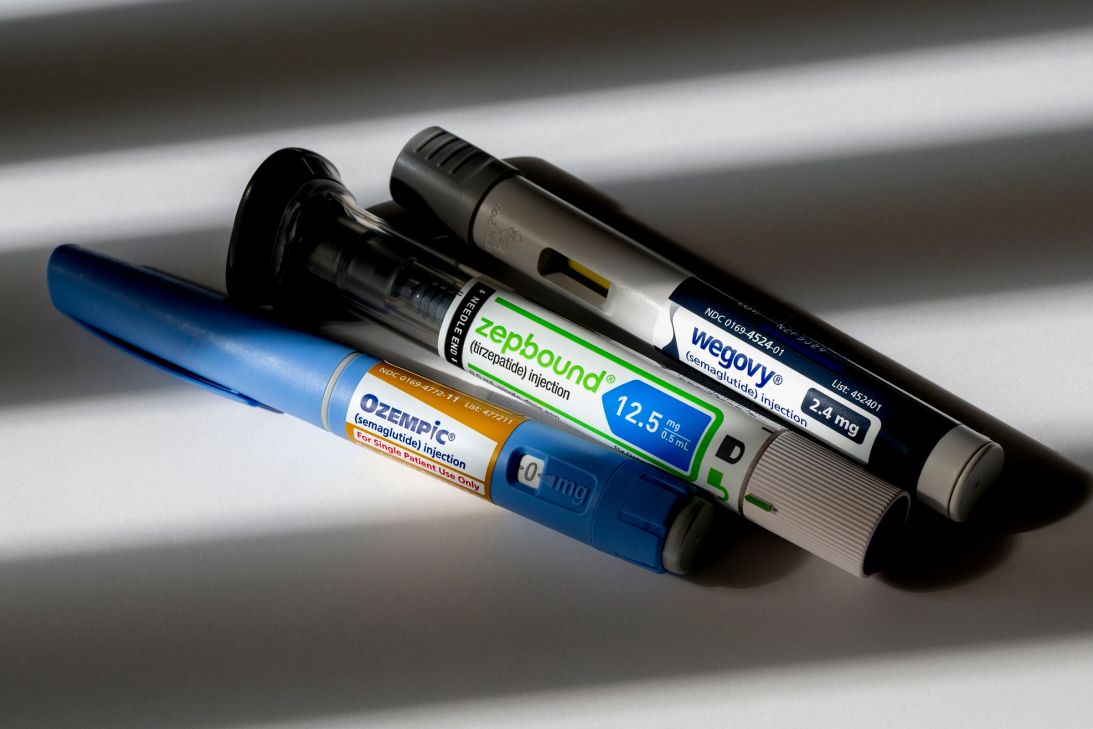
Peptides are composed of short chains of amino acids, which are fundamental components of proteins. Some have emerged as significant prescription medications. For instance, insulin is a peptide, as are commonly prescribed GLP-1 drugs for diabetes and obesity, such as Ozempic and Wegovy. However, the peptides currently under evaluation by the committee do not have FDA approval.
Although insulin was the first therapeutic peptide developed in the 1920s, many newer peptides used for anti-aging, wound healing, or muscle recovery are still regarded as being in the early stages of research.
Some specialists have expressed concerns regarding the safety of using new peptides that are still labeled experimental. They often bear tags indicating “research use only” or “not for human consumption.” Numerous individuals have procured these peptides online, sometimes from unreliable sources, without any medical consultation. Additionally, most peptides are administered via injections.
Proponents of peptides contend that permitting FDA-regulated compounding pharmacies to create these medications through prescriptions would present a safer option than procuring products from unregulated online sellers.
Opponents argue that transitioning these compounds into licensed pharmacies might give the impression that they have been validated for safety and effectiveness when, in reality, robust clinical trial data is often lacking. This conflict is central to the forthcoming meeting.
Which peptides are under review?
The peptides currently under scrutiny this week include:
-
BPC-157, intended for ulcerative colitis treatment
-
KPV for healing wounds and addressing inflammation
-
TB-500 for enhancing wound healing
-
MOTs-C for combating obesity and osteoporosis
-
Emideltide for opioid withdrawal, chronic insomnia, and narcolepsy
-
Semax for specific neurological disorders
-
Epitalon for managing insomnia
The FDA advisory committee “will decide whether or not it will permit access to these substances through officially licensed compounding pharmacies,” stated Scott Brunner, CEO of the Alliance for Pharmacy Compounding, who submitted a public letter to the committee advocating for the inclusion of peptides on the list.
However, he noted that since many of these experimental peptides lack comprehensive clinical trial data akin to that of FDA-approved medications, assessing them for the 503A Bulks List may prove challenging for both the committee and the agency.
“The committee typically evaluates clinical trial research, and if there is supporting clinical trial data, there will be a recommendation for them to be added to the list of drugs that compounding pharmacies can create. However, such data is largely absent for most of these peptides,” Brunner mentioned. “Thus, the FDA will need to adopt a different perspective.”
Unlike obtaining FDA approval for a new drug, which necessitates extensive clinical trials to demonstrate safety and efficacy, being placed on the 503A Bulks List addresses a different regulatory concern. It assesses whether a substance meets specific criteria, enabling pharmacists to compound it from bulk ingredients for patients who hold valid prescriptions.
“What this would essentially do is create a lawful avenue for compounding pharmacies to manufacture products containing these ingredients and provide them to patients,” explained Jesse Dresser, a partner at the law firm Frier Levitt’s Life Sciences Department and head of the firm’s Pharmacy Practice Group.
This means that “to obtain these products, a patient must have a physician’s consultation, receive a written prescription, and then procure it from a licensed 503A compounding pharmacy,” Dresser stated. “It remains to be seen what the outcome of this meeting will be.”
How safe are peptides?
Three years ago, the FDA determined that specific peptides should not be compounded due to significant safety concerns, including the risk of serious allergic reactions. This week’s meeting revisits those discussions.
Some experts are concerned that granting broader access to certain peptides through compounding pharmacies might expose a larger patient population to treatments whose long-term safety profiles are still unclear.
“Currently, we lack knowledge about the long-term impacts of many of these peptides, including their toxicities, adverse effects, and potential drug interactions. The FDA approval process – encompassing Phase 1, 2, and 3 clinical trials – mandates that companies conduct thorough clinical investigations to ascertain drug safety and effectiveness. None of the peptides currently under consideration for compounding are FDA-approved medications,” stated Edgar Asebey, a life science attorney and partner at Frier Levitt law firm who leads the FDA Practice Group.
Dr. Castel Santana, regional medical director at 10X Health, a wellness enterprise that provides peptides, expressed confidence that most peptides carry “minimal or low” associated risks based on his experiences with prescribing them. However, he cautions that concurrently taking multiple peptides could result in interactions.
“The reality is that there are some contradictions to this,” he noted.
Santana remarked that he is “pleased” the FDA advisory committee is convening to discuss peptides.
However, not all medical professionals may share that sentiment.
Regarding the meeting, Dr. Eric Topol, a research methodologies expert and director of Scripps Research Translational Institute, expressed concerns in April during a call with journalists organized by the Harvard T.H. Chan School of Public Health, stating, “I view this as a potential disaster, as these peptides lack data to validate their safety and efficacy.”
Ultimately, some experts maintain that the safety of particular peptides remains uncertain without clinical trial data, and their safety profiles could differ based on the specific substance.
How are they currently regulated?
Peptides approved by the FDA are regulated similarly to other authorized medications. Outside of those that have received approval as therapeutic drugs, the production of certain peptides remains largely unregulated. Many of these substances cannot be dispensed by compounding pharmacies, and experts caution that the increasing demand is fueling a dangerous unregulated online market.
“Patients are obtaining what they believe to be these substances or using drugs that are formulated with research-grade active ingredients, and I anticipate that any day now there will be significant patient adverse events or a series of patients who become ill or worse due to taking batches of these drugs that were not manufactured to FDA standards or with active ingredients that do not meet FDA standards,” Brunner warned.
To address the perilous online market, Brunner mentioned that the Alliance for Pharmacy Compounding hopes the advisory committee will endorse the peptides for pharmacy compounding, which could establish a “safer” means of access.
Furthermore, Brunner suggested that “the FDA should establish a green list of authorized FDA-registered manufacturers of these substances.”
“We would advocate that pharmacies should only source the active ingredient from FDA-registered wholesalers. We believe it is reasonable to require enhanced disclosure to patients who may be prescribed one of these substances, indicating that this molecule is not as well-characterized as drugs that are typically provided to patients, and the patient needs to be aware that there may be an elevated risk profile, necessitating prescription and supervision by a physician,” he stated. “Moreover, we believe there should be mandatory reporting of serious adverse events related to these substances.”
What could the future look like?
If the FDA ultimately permits the compounding of certain peptides, patients may find it simpler to access these through licensed compounding pharmacies rather than relying on unregulated sources. Physicians might feel more at ease prescribing them, and compounding pharmacies could experience a significant increase in business.
Given the absence of FDA-approved alternatives for these peptides, compounding pharmacies could potentially be the sole route for individuals seeking access to these treatments in the future, according to Dresser, who has represented multiple compounding pharmacies.
“Conversely, since there are no FDA-approved versions available, there is no risk of competition. There are no constraints on their ability to produce any specific formulation,” he noted. “It ultimately depends on whether they can obtain a prescription from a healthcare provider.”
The future regulatory landscape surrounding peptides might also resemble the current framework for dietary supplements, as suggested by Dr. Janet Woodcock, a former FDA veteran and previous principal deputy commissioner.
“Dietary supplements are ingested, but they follow a similar regulatory scheme to compounded drugs, in that the FDA can only intervene if they cause harm, as evidenced,” Woodcock stated. “They do not need to undergo testing or clinical trials to demonstrate efficacy, but they cannot be harmful and cannot make claims regarding diseases.”
USdaily’s John Bonifield contributed to this report.
