
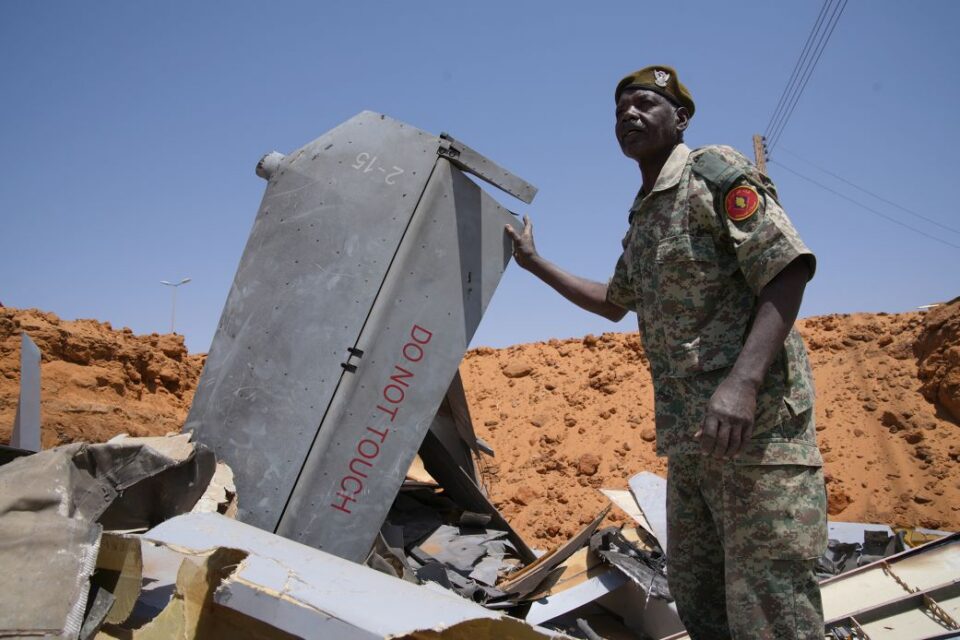
“There’s no escaping a drone strike,” states Elsadig. For the 27-year-old, this alarming truth defines life in El-Obeid, Sudan, where even mundane activities are overshadowed by the potential for sudden death.
Throughout much of Sudan’s civil conflict, which commenced over three years ago, civilians were predominantly anxious about the combat occurring on the ground. In El-Obeid, a vital trade and aid center with a population exceeding half a million, many residents now dread threats from above.
In late June, while at a water truck station, Elsadig suffered a drone strike that resulted in the loss of his left leg.
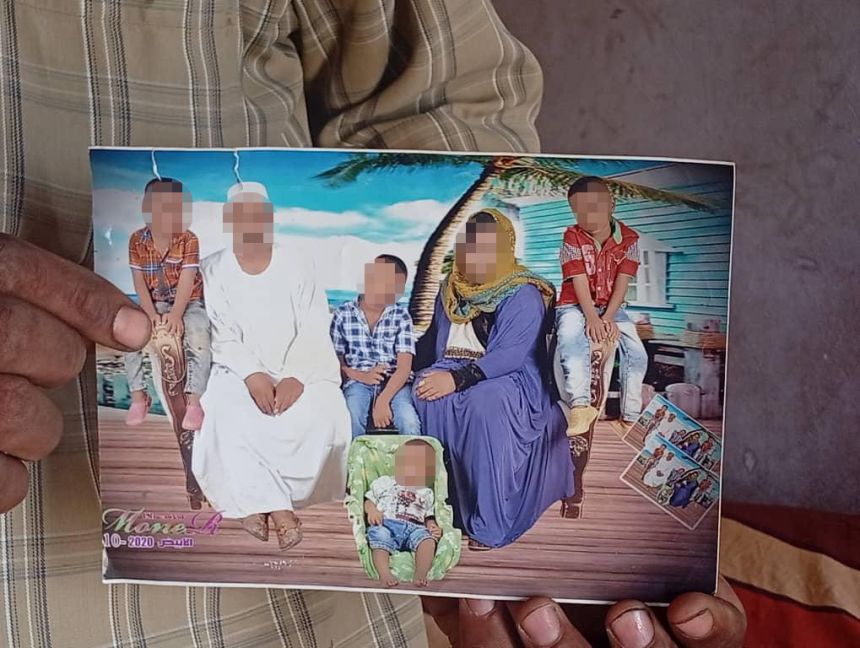
Close by, Ahmado, a 42-year-old sewage truck operator, was working when the same strike targeted a group of water trucks. Tragically, his 9-year-old son, who had come to see him after school, died in the attack, along with two of Ahmado’s coworkers.
“My day began as any other. Drones were overhead, but I never thought my child or I would be targeted,” Ahmado recounted to USdaily.
His family searched for hours before discovering the boy’s remains inside the charred truck once the flames had subsided.
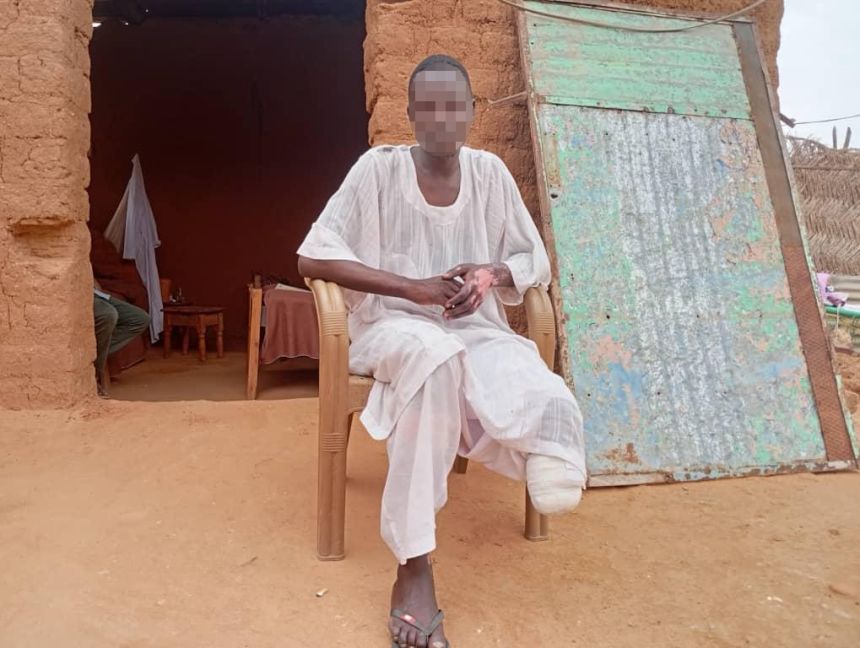
USdaily is using only first names for Elsadig and Ahmado due to their concerns for safety.
“When we hear a drone is in the vicinity, we try to seek shelter under a concrete structure,” Elsadig explained to USdaily. “However, they strike without warning — we cannot predict when or where it will happen.”
The drone assault on El-Obeid, a critical battleground in the conflict between Sudan’s two competing military factions, highlights how unmanned aerial vehicles are transforming a war that has resulted in tens of thousands of fatalities, displaced over 14 million individuals, and ignited what the United Nations describes as the world’s most severe humanitarian crisis.
The conflict ignited in April 2023, following a fallout between former allies Abdel Fattah al-Burhan, head of the Sudanese Armed Forces (SAF), and Mohamed Hamdan Dagalo, known as Hemedti, who leads the paramilitary Rapid Support Forces (RSF), during a struggle for power. They had jointly seized control after deposing the civilian-led administration in a coup in 2021, but subsequently became adversaries in the quest for domination over Sudan.
As drones from foreign sources flood into Sudan, the United Nations cautions that the conflict is “on the verge of entering an even deadlier phase.” In the first four months of 2026 alone, drone attacks resulted in at least 880 civilian deaths, accounting for over 80% of the civilian fatalities documented by the UN.
A New Weapon in the War
What started as a ground-based conflict has progressively turned into an aerial battle.
With support from international providers, both the SAF and RSF have broadened their drone fleets, utilizing everything from modified commercial drones to sophisticated military technology.
As reported by Africa Defense Forum (ADF), a military and security publication by the United States Africa Command (AFRICOM), both factions have adapted their strategies to focus on aerial weaponry rather than ground troops, which have reached a stalemate.
The ADF noted that Turkish-supplied drones — including Bayraktar TB2s, which are capable of extended flight, carry explosives, and are relatively affordable — assisted the SAF in driving the RSF out of Khartoum last year.
Turkey has expressed its commitment to Sudan’s sovereignty and peace initiatives, having hosted SAF leader al-Burhan in Ankara recently.
The RSF has similarly enhanced its drone capabilities, deploying Chinese-made FH-95 drones that can engage targets from a distance. Some of these systems have been traced back to suppliers in the UAE. Additionally, Military Africa, a defense publication, reported that Turkish drones have been spotted with the RSF, complicating the attribution of responsibility for civilian strikes.
The UAE has faced ongoing accusations of supplying the RSF with weaponry, as researchers and human rights organizations have traced recovered arms in Darfur, an area largely under the paramilitary group’s control, back to the Gulf nation. The UAE has denied these allegations, but a UN Security Council committee deemed them “credible” in 2024.
A Battlefield Without Defined Frontlines
Drones have altered the landscape of warfare in Sudan, providing insight into the future of proxy conflicts, according to Nate Allen, a security studies associate professor at the Africa Center for Strategic Studies in Washington, DC.
Allen, who monitors the conflict, shared with USdaily that drones are now being utilized for observing enemy movements, assisting ground operations, disrupting supply routes, and targeting infrastructure. Recently, he noted, they have increasingly been directed at civilian structures and populated regions.
This technology has also transformed the tempo of the conflict. Previously, fighting would often slow during Sudan’s rainy season due to flooded roads that hinder troop and supply movement. Drones, however, remain operational even when ground forces are impeded by adverse weather.
“Drones are not restricted by roads, do not suffer illness, nor do they get stuck in mud,” Allen remarked. “Both factions are continuously employing drones, particularly those with extended range and endurance, to target each other even during the rainy season when troop and vehicle movements may be constrained.”
Yet, as drones expand the battlefield, they have also brought the conflict closer to civilian life. Being distant from combat zones no longer guarantees safety. Homes, markets, and vital infrastructure are increasingly vulnerable.
Existence Under the Drones
In El-Obeid and throughout Sudan, residents report that the noise of drones has become a regular aspect of their lives.
The situation has been particularly dire in El-Obeid, which has experienced what the UN describes as “conditions akin to a siege” for the past 18 months, despite being under SAF control.
As the capital of North Kordofan, El-Obeid lies on major routes connecting Khartoum with Darfur, the broader Kordofan area, and the southern regions of Sudan. This strategic location has made it a target for both the SAF and RSF. The city is also accommodating around 100,000 individuals who have fled violence from other parts of the country.
Volker Türk, the UN’s human rights commissioner, reported that his office confirmed 15 drone attacks in and around El-Obeid in June, resulting in at least 45 civilian fatalities, cautioning that the true death toll is likely much higher.
Türk stated that “drones utilized by both factions have consistently targeted markets, educational institutions, fuel stations, water services, and civilian vehicles” across Kordofan, disrupting access to food, clean water, healthcare, and other essential resources.
These attacks have also complicated the delivery of humanitarian aid. Earlier this month, a drone hit a vehicle belonging to the UN Refugee Agency (UNHCR), which was transporting 50 tons of supplies for displaced families — marking the second occurrence of a UNHCR aid truck being struck this year, according to the organization.
Moses Okello, a senior researcher with the Institute for Security Studies’ Horn of Africa program, informed USdaily that the assaults seem aimed at crippling the city’s functional capabilities rather than merely targeting military objectives.
“Both the RSF and SAF utilize drones that cause comparable harm to the civilian population,” he noted. These attacks “appear to be intentional strikes on dual-use (civilian and military) infrastructure, not merely collateral damage but rather a fundamental military strategy.”
Locals report that the repercussions of each strike linger long after the attacks conclude.
Rehab, 48, whose residence was obliterated in a drone strike at a displacement camp in El-Obeid in June, described the recent weeks as some of the most challenging since the war erupted.
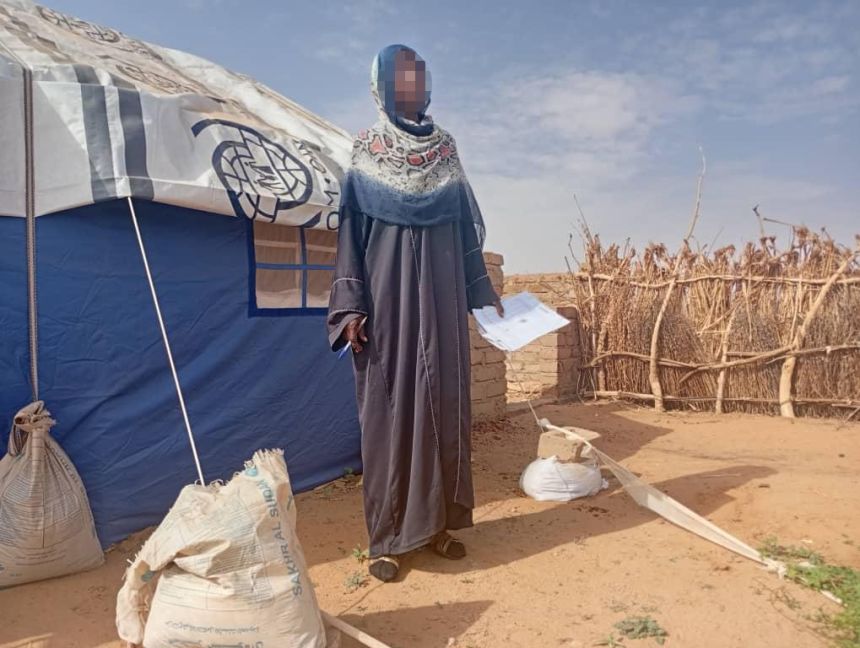
“The frequency of the attacks has risen to such an extent that it feels like the war has resumed,” she recounted to USdaily.
“Drones hover above us all day long, and we are constantly aware of their presence. People are now too scared to congregate, even to assist one another.”
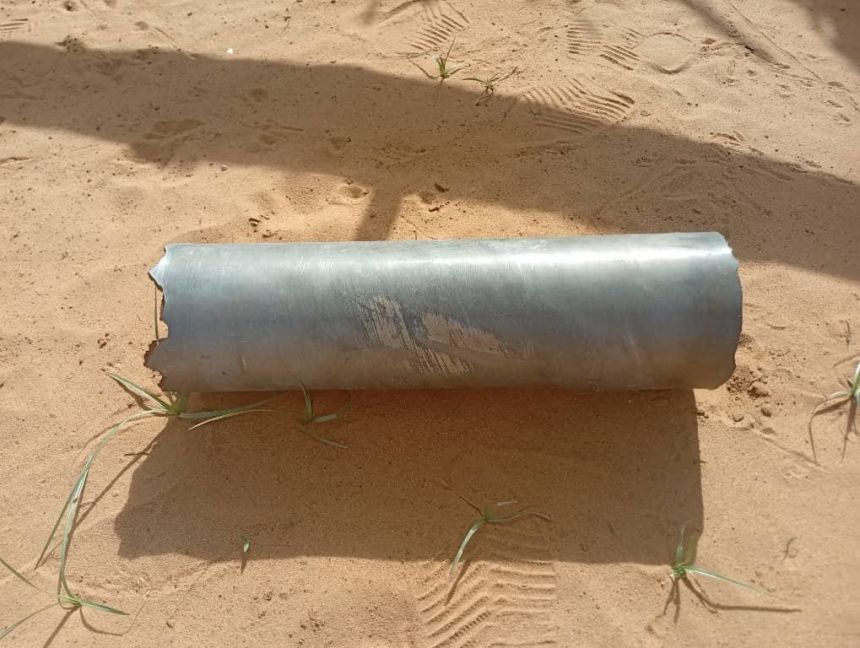
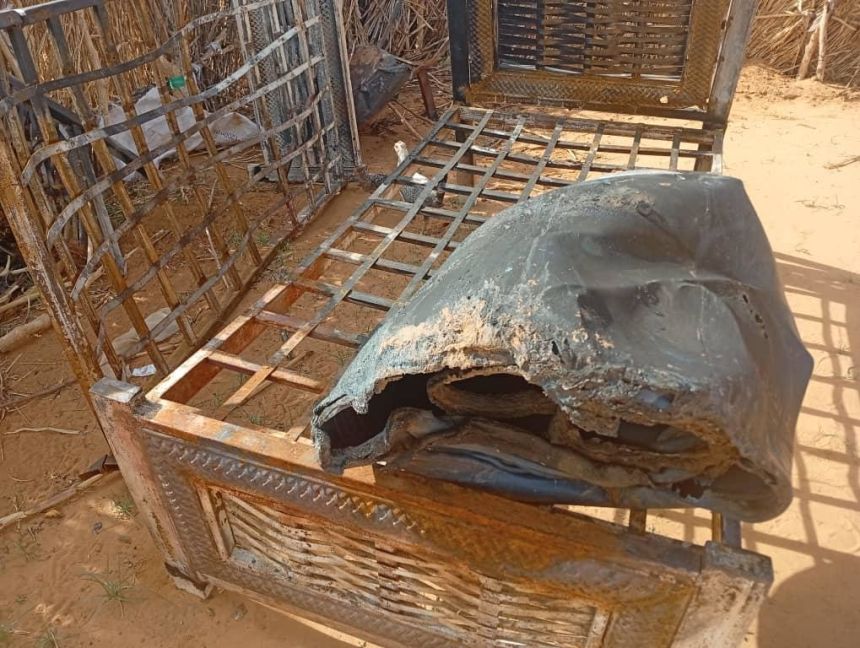
Humanitarian organizations are sounding alarms that the intensifying assaults are leading civilians into increasingly dire circumstances.
“Families in El-Obeid are suffering losses of children, limbs, and shelter,” remarked Shashwat Saraf, the Norwegian Refugee Council’s country director in Sudan, to USdaily. “Nothing is exempt, and those who survive the assaults face hunger with no place left to turn.”
For Elsadig, who survived three previous drone strikes before the fourth attack resulted in the loss of his leg, every step outside now carries the dread that it could be his final one.
“When you venture outside, there’s no certainty of returning,” he expressed. “You might find yourself sitting somewhere when suddenly, a missile lands next to you. You might live or die; it’s uncertain.”
