
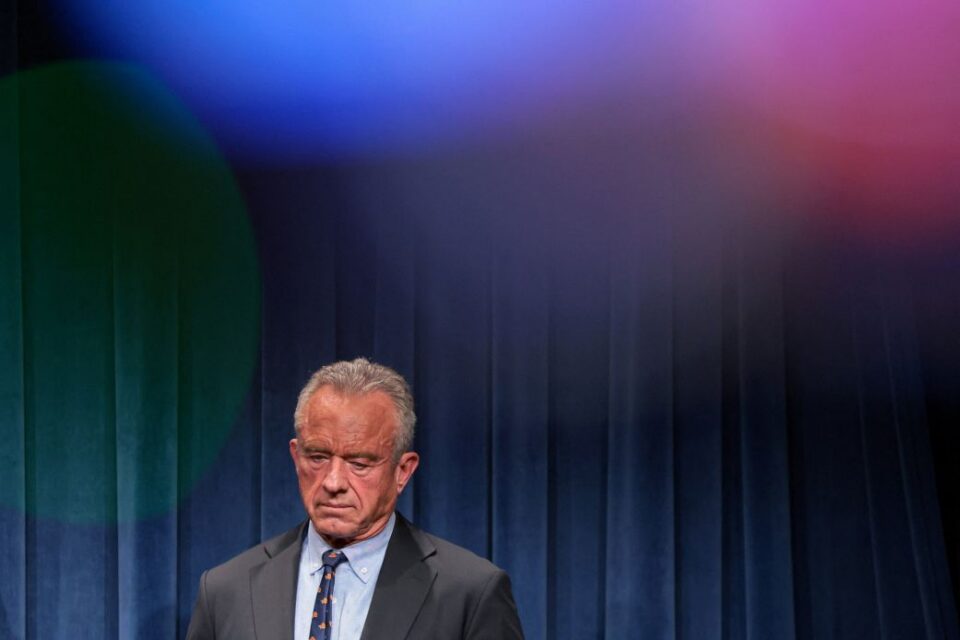
The U.S. health secretary is poised to allocate billions in an effort to investigate a potential connection between vaccines and autism, influenced by vaccine skeptics who are affecting policy decisions. A controversial plan has been suggested to completely abolish the federal vaccination schedule for children in the U.S.
Since taking office as health secretary early last year, Robert F. Kennedy Jr. has introduced several unconventional public health initiatives to the highest ranks of the Trump administration, according to interviews with 16 current and former officials familiar with these discussions, as reported by Reuters.
These officials, who spoke anonymously, shared insights about internal conversations regarding Kennedy’s unreported initiatives, unveiling a determined advocate who has successfully enacted significant shifts in U.S. vaccine policy over recent years, and who aimed to go much further in dismantling established norms.
“He’s an anti-vaccine activist. That’s his identity. That’s how he has operated for two decades. It’s unrealistic to think that as the Secretary of Health and Human Services he would act differently,” remarked Dr. Paul Offit, director of the Vaccine Education Center at the Children’s Hospital of Philadelphia and a longstanding immunization consultant for the CDC.
Offit expressed concern that Kennedy’s efforts to undermine confidence in the safety of vaccines for prevalent illnesses are complicating attempts to manage outbreaks, particularly the largest resurgence of measles in the United States in over thirty years.
“He instills fear about vaccines, which only leads to decreased vaccination rates,” Offit added. “We’re in a dire situation.”
The Department of Health and Human Services has not made Kennedy available for an interview. In response to details provided by Reuters, spokesperson Courtney Spencer denied several key assertions as false or misleading, including the proposal to abolish the entire childhood vaccination schedule. Spencer did not clarify what inaccuracies were present in the report.
Kennedy has faced obstacles in executing various aspects of his vaccination agenda due to opposition from multiple sectors of the government, including both the health department and the White House, as noted in the Reuters report. Additionally, one of his most ambitious proposals to remove vaccines for six out of 17 diseases from the recommended childhood vaccination schedule has been temporarily halted by a federal judge following a lawsuit from the American Academy of Pediatrics and other medical organizations.
Despite facing these challenges, Kennedy has achieved significant alterations during his tenure at the health department, which supervises national health entities, including the Food and Drug Administration, National Institutes of Health, and Centers for Disease Control and Prevention. His reforms encompass scaling back mRNA vaccine initiatives, ceasing funding for a global vaccine alliance, and restricting access to COVID vaccines. Numerous health professionals argue that his elevation of vaccine safety concerns has created confusion regarding the vaccinations parents should consider for their children.
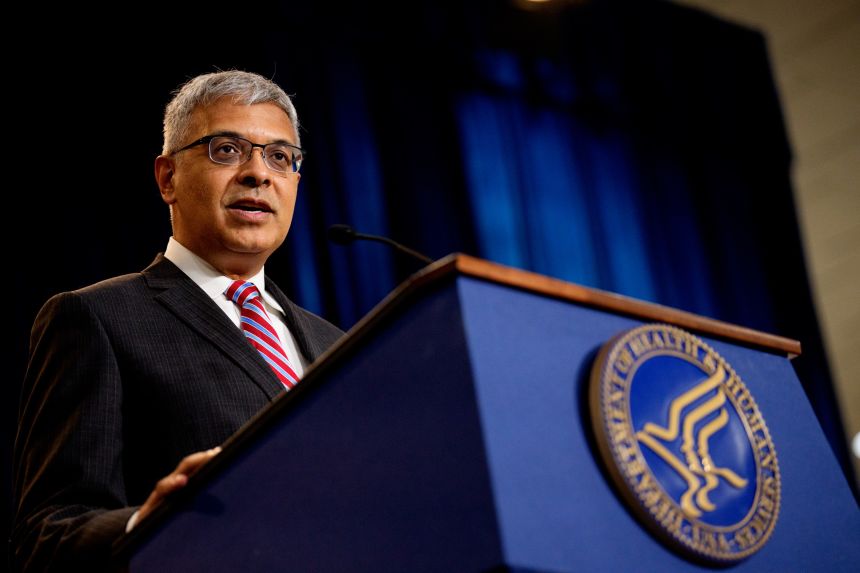
Earlier this year, Kennedy approached NIH Director Jay Bhattacharya with an expensive proposal, as per two officials familiar with the initiative: the research agency should allocate $5 billion to investigate the connection between vaccines and autism. This would mean dedicating over ten percent of the NIH’s annual budget to exploring a theory that has already been debunked by scientists globally.
Ultimately, Kennedy abandoned the proposal, which would likely have needed congressional approval, after Bhattacharya persuaded him that sufficient resources had already been allocated to research the causes of autism, including a $50 million initiative initiated in September, according to the officials.
This proposal surfaced shortly after he agreed to refrain from discussing vaccines publicly, adhering to the request of several senior White House officials worried that his medical assertions could politically harm Republicans.
Nevertheless, behind closed doors, the health secretary has continued to search for proof to support his belief that many vaccines have not undergone proper testing and can lead to various dangerous side effects, according to eight current and former officials.
The NIH and Bhattacharya did not respond to requests for comments. HHS also did not provide feedback regarding the $5 billion funding proposal.
The request for NIH research is one of several incidents recounted by current and former officials within the health department and the White House that illuminate Kennedy’s agenda as health secretary. This marks another chapter for a member of one of America’s political dynasties, whose life has been shaped by the traumas of his uncle’s and father’s assassinations and a prolonged struggle with heroin addiction, ultimately leading him to become a significant anti-vaccine advocate and leader of the Make America Healthy Again (MAHA) movement.
Kennedy gained recognition as an environmental attorney, spending years battling companies over pollution and hazardous substances. This background has significantly contributed to his influence in promoting anti-vaccine narratives over the past two decades, including the assertions that many vaccines pose greater risks than the diseases they aim to prevent, that they can lead to autism and autoimmune disorders in children, and that they contain remnants from aborted fetuses. His beliefs are contradicted by numerous studies that demonstrate vaccines have saved millions of lives and prevented serious health complications from widespread diseases, with side effects being relatively infrequent.
The 72-year-old’s popularity surged during the pandemic, as his claims regarding the dangers of COVID vaccines and his resistance to lockdown measures resonated with many Americans skeptical of governmental policies. He fueled conspiracy theories alleging that U.S. government scientists sought to profit from the pandemic.
He has also shared alarming personal anecdotes, including a time when he discovered a worm had lodged in his brain, causing memory problems, and disposing of a bear cub in New York City’s Central Park. He claimed it was roadkill he intended to take home for skinning and storage, but ultimately left it in a park bike lane as a joke.
Kennedy was appointed health secretary after he concluded his presidential campaign in 2024 and endorsed Trump. He assured that he would not remove vaccines from Americans, both during his shortened presidential campaign and during his confirmation hearings in Congress necessary for his appointment to Trump’s cabinet.
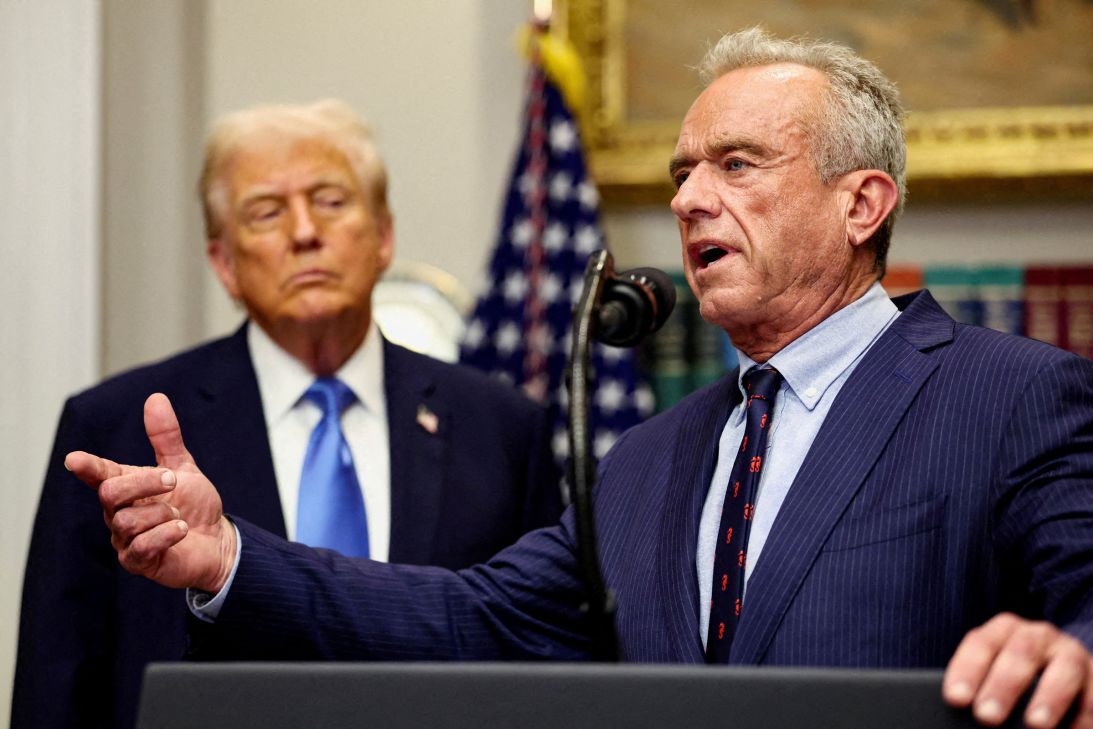
He meets with Trump in the Oval Office every few months, most recently in June, as per four individuals informed about these discussions. The president often inquires about the progress on vaccine-related initiatives and whether the health secretary believes he will eventually establish a connection with autism, according to these sources. Kennedy interprets these inquiries as a signal to continue pursuing research on vaccine safety.
The White House did not challenge the specifics regarding its rapport with Kennedy or the discussions among the health secretary, Trump, and the president’s senior aides. Spokesman Kush Desai indicated that the president backs Kennedy’s endeavors to adjust the U.S. childhood vaccination schedule to align with those of other comparable nations, though he did not specify which ones. Desai added that the Trump administration “continues to seek answers for numerous parents whose inquiries and concerns have been neglected for too long.”
Pursuit of a Link to Autism
One of Kennedy’s initial actions in office was to raise the issue of whether childhood vaccinations could be linked to autism.
The health secretary has dismissed studies spanning millions of individuals conducted over the last two decades that have found no credible connection. Leading health organizations, including the American Academy of Pediatrics and the American Medical Association, assert that Kennedy’s dismissal of these findings increases vaccine hesitancy and undermines valuable evidence-based efforts to support families affected by autism.
In November, Kennedy instructed the Centers for Disease Control and Prevention’s website to be revised to state that the assertion that vaccines do not cause autism is “not an evidence-based claim because studies have not ruled out the possibility that infant vaccines cause autism.” Previously, the website had indicated that “studies have shown there is no link between receiving vaccines and developing autism,” referencing a 2012 National Academy of Medicine review and a 2013 CDC study.
The CDC did not respond to a request for comment regarding this article.
The health secretary has appointed Stefanie Spear, his closest advisor, to spearhead efforts in his department to uncover any evidence of a vaccine-autism link, including launching a series of studies on vaccine-related injuries. Spear and Kennedy have a longstanding partnership, having collaborated on an environmental website called EcoWatch in 2011. She later joined Kennedy at Children’s Health Defense, the anti-vaccine organization he founded, in 2020 and served as press secretary during his 2024 presidential campaign. Kennedy, Children’s Health Defense, and others have filed lawsuits against several media outlets, including Reuters, alleging that these organizations colluded to censor their perspectives on COVID- and vaccine-related topics. A motion to dismiss the lawsuit is currently pending in federal court in D.C.
Spear lacks a scientific or public health background, according to her biography. Prior to joining Kennedy at Children’s Health Defense, she was a seasoned environmental activist and communications expert.
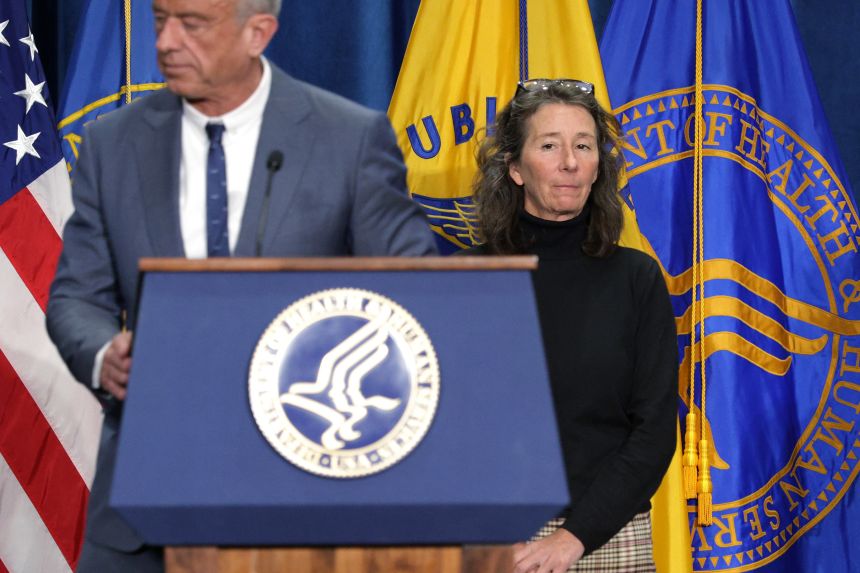
In leadership meetings at HHS, Spear often represents Kennedy, even in his presence, according to three individuals familiar with the situation. Kennedy has instructed his senior officials to seek her approval for their new projects, as noted by three sources. During staff meetings, Kennedy has directed team members to “run everything” past Spear, according to two people who have witnessed this directive.
Spear, through HHS, declined to grant an interview and did not address inquiries regarding her role within the agency.
Starting this year, Spear and other aides to Kennedy have repeatedly requested access from officials at the U.S. Food and Drug Administration to the FDA’s Sentinel BEST safety system to assist HHS staff in conducting studies, including comparing autism rates and other conditions in vaccinated versus unvaccinated children, according to four sources familiar with these requests.
This database is intended to track the safety of FDA-approved products, including vaccines, once they are on the market by monitoring health insurance claims and medical records of over 100 million Americans. Access to such systems, which contain sensitive data, is highly restricted even within HHS, typically limited to a select group of career officials and experts.
The FDA initially turned down Spear and the aides’ requests for access due to concerns that Kennedy and Spear were on a “fishing expedition” for information to support their autism claims, according to two sources familiar with the matter.
Shortly after taking office, Kennedy expressed interest in examining autism rates and other conditions among vaccinated and unvaccinated children, raising this issue multiple times, according to five current and former officials. Leading health experts have stated that such comparisons would be invalid since vaccinated children tend to visit doctors more frequently than unvaccinated children, resulting in a higher likelihood of receiving diagnoses for various conditions.
“Together with scientists at NIH, FDA, CDC, and universities, we are conducting ongoing studies to enhance our understanding of vaccine safety and efficacy and to evaluate how exposure to vaccines, their timing, and their administration patterns influence health throughout life,” Spencer stated in response to specific inquiries about HHS’s vaccine-related initiatives. “This work aims to yield evidence that will inform vaccine recommendations.”
The FDA did not respond to a request for comment. Reuters was unable to ascertain whether Spear eventually gained access to the data system.
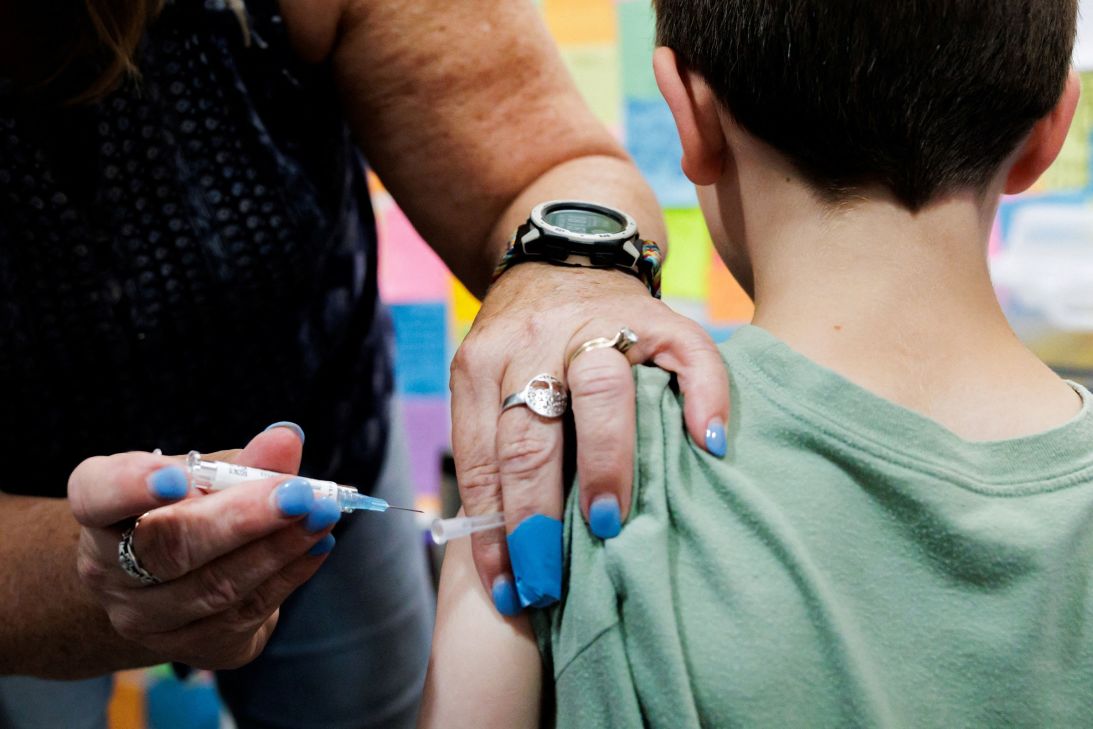
Revamping the Childhood Vaccine Schedule
Kennedy and Spear have made efforts to overhaul decades of U.S. vaccine policy within a few months, sidelining a vast network of experts across federal agencies and their collaborators in the medical and scientific fields, as reported by a dozen current and former officials. Instead, they have collaborated closely with a limited circle of long-time allies largely outside the government.
One of the primary changes was the decision to reduce the CDC’s childhood immunization schedule, which sets state vaccination mandates and influences health insurance coverage. By January, they had removed vaccines for six diseases from a list of 17 routinely administered to children, all of which have been proven to prevent illness and death from common diseases.
However, last summer, Kennedy and Spear had even grander ambitions, according to three individuals with direct knowledge of their plans: to completely eliminate the childhood vaccination schedule.
They intended to inform families that vaccination for all 17 diseases could be left to “shared clinical decision-making,” allowing parents to consult with their healthcare providers about which vaccines, if any, to administer to their children. They anticipated that state health officials and medical organizations like the American Academy of Pediatrics would develop their own guidelines to fill the void, as stated by the three sources.
The notion of discarding the entire schedule alarmed several health officials, including then-FDA commissioner Marty Makary and one of his top deputies, Tracy Beth Høeg, according to four sources. Makary and Høeg compiled a list of “core essential vaccines” to steer the health secretary away from such an extreme path. They prioritized the recommended vaccinations, indicating which were deemed essential by peer nations.
Public health experts widely assert that the U.S. schedule is broader than that of some other developed countries, including Denmark, Norway, and Sweden, but is not excessive, and it meets the specific health needs of Americans. They contend that eliminating vaccines without substantial evidence would unnecessarily expose many children to complications and even fatalities from preventable illnesses. Countries such as Germany, the UK, France, Canada, and Australia also recommend vaccinating children against approximately 15 to 17 diseases.
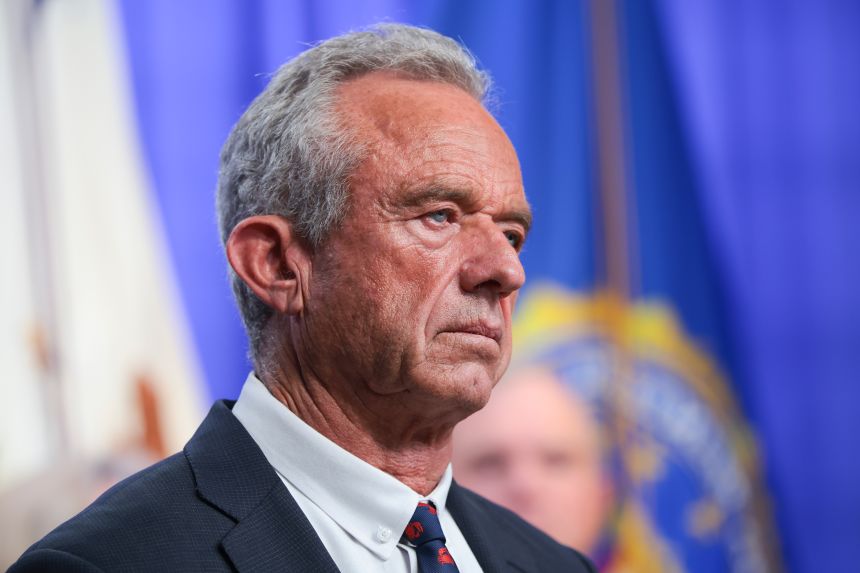
By the fall, following resistance from health department officials at the FDA and elsewhere, along with White House aides, Kennedy consented to merely reduce the childhood schedule, as per three individuals familiar with the discussions. He and his team aimed for a more concise program aligned with the schedule in Denmark, which has a population of only 6 million, offers universal healthcare, and immunizes its children against significantly fewer diseases compared to most developed nations. Medical experts broadly agree that such a schedule is not applicable to a country like the United States, which has over 300 million residents and substantial disparities in access to healthcare and health insurance.
Nevertheless, the health secretary continued to alter his stance regarding which vaccines to eliminate.
According to three individuals, Kennedy and his advisors contemplated removing the measles, mumps, and rubella (MMR) vaccine in the fall. However, he refrained from proceeding due to potential political repercussions, as a measles outbreak was occurring in South Carolina at that time.
Other suggestions he made—such as eliminating the polio vaccine from the schedule—were rejected after pushback from White House officials, as indicated by the three people. HHS spokesperson Spencer stated that removing the MMR and polio vaccines “had never been on the table.”
A recommendation for COVID vaccines for children was already discarded in May, which was shared in a social media post featuring Kennedy and Makary. Spear intervened to assist in drafting the U.S. vaccine protocol for hepatitis B vaccines in December, as noted by three sources. She provided language approved by Kennedy’s chosen immunization advisory board, many of whom share his skepticism towards vaccines, to eliminate a universal recommendation for hepatitis B vaccinations starting at birth.
Ultimately, the shortened childhood schedule closely resembled Denmark’s after four more diseases were removed in January. Kennedy implemented these changes unilaterally, bypassing the standard procedure of consulting an expert panel, and Spear authored the accompanying report justifying the alterations, according to three sources familiar with the process. Trump praised the new schedule as “based in the Gold Standard of Science.” He stated on social media, “Many Americans, particularly the ‘MAHA Moms,’ have been advocating for these COMMON SENSE reforms for years.”
However, in March, a federal judge halted Kennedy’s revised childhood schedule, also ruling that the health secretary’s vaccine advisory board was unconstitutionally constituted after he dismissed all its members and appointed new ones. HHS is currently appealing this decision.
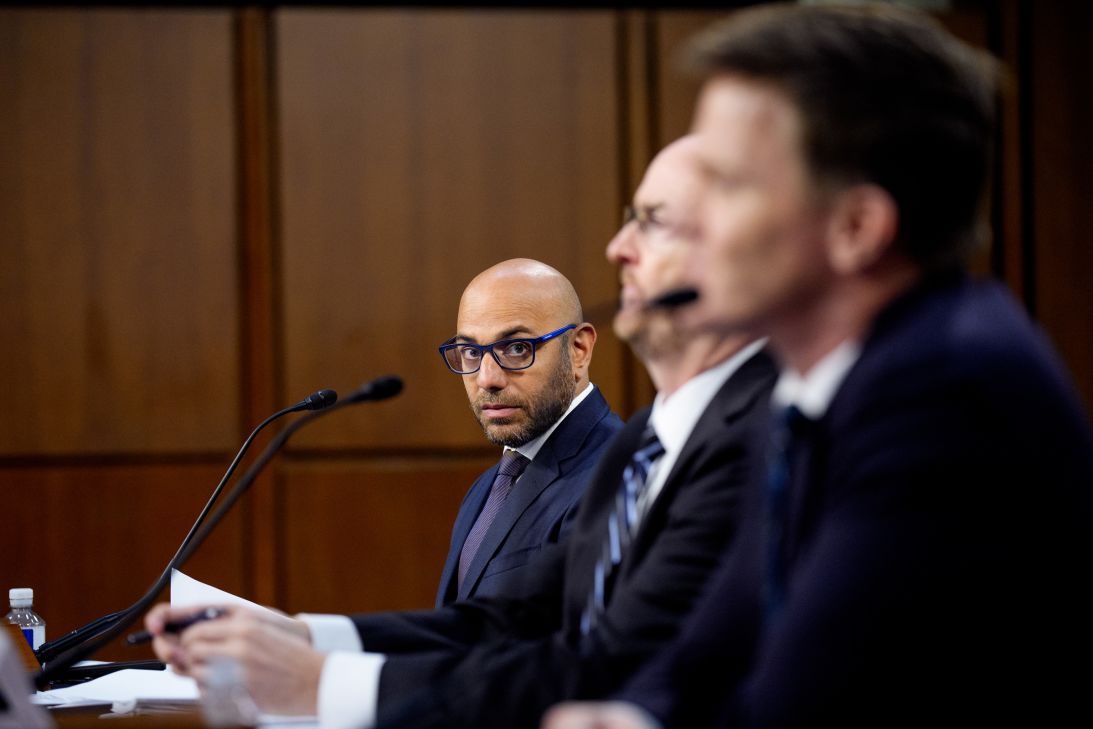
Aaron Siri’s Involvement
In his efforts to reform U.S. immunization protocols, Kennedy has also depended on Aaron Siri, a long-time ally and attorney. Siri is a leading advocate contesting American health agencies and vaccine manufacturers over alleged vaccine-related injuries.
Siri has consistently asserted that many childhood vaccines have been endorsed by the CDC without adequate safety data. In 2019, he initiated a lawsuit against the CDC demanding it provide studies demonstrating that vaccines routinely administered to infants do not cause autism or concede that it lacks such studies. Both parties eventually agreed to dismiss the lawsuit after the CDC provided a list of studies. Siri argues that the research presented by the agency did not disprove a link to autism for those vaccines.
In 2022, he asked the FDA to revoke approvals for two COVID vaccines and one polio vaccine, claiming that their safety testing during clinical trials was insufficient. The FDA rejected the former request and has yet to make a ruling on the latter.
Although not a government employee, Siri assisted Kennedy and Spear in evaluating potential appointments throughout HHS, FDA, and CDC during the presidential transition in early 2025, according to three individuals with knowledge of the process.
Kennedy has frequently indicated to aides that any vaccine-related policy or modification should receive input from Siri before it is finalized, according to two individuals directly aware of these remarks. The health secretary regularly included Siri in internal health department policy meetings via speakerphone, as confirmed by these two sources. Siri was involved in discussions regarding the potential removal of the MMR and polio vaccines from the childhood schedule, according to administration officials.
In response to inquiries from Reuters, Siri stated that he was unaware of any plan to eliminate those vaccines or of any requirement from Kennedy to consult him on policy changes.
“I certainly wish they would have adhered to that supposed directive,” Siri remarked. “I wouldn’t have to keep sending them demands, following up when they are overlooked, and continue battling HHS and its agencies in numerous lawsuits related to vaccine policy.”
Compensation for Vaccine Injuries
Actions taken by HHS could influence Siri’s own legal practice, according to four legal experts consulted.
Both Siri and Kennedy have long advocated for a reassessment of the compensation process for vaccine injuries. Individuals harmed by vaccines listed on the U.S. immunization schedule can only seek limited damages from a fund managed by HHS known as the Vaccine Injury Compensation Program (VICP).
Congress established the program in the 1980s to ensure a stable supply of vaccines. Vaccine manufacturers often operate with narrow profit margins for products used by millions, arguing that they would be compelled out of business if patients could file unrestricted lawsuits.
